Understanding the mold remediation process is essential for homeowners and businesses in Colorado Springs seeking to protect indoor air quality and structural integrity. This guide outlines each phase of professional mold cleanup, highlights critical entities like EPA guidelines and IICRC standards, and integrates local context to help readers grasp what to expect when addressing mold issues in El Paso County.
Why Mold Remediation Matters in Colorado Springs
Mold spores are microscopic fungi ubiquitous in both indoor and outdoor environments. They become problematic when excessive moisture allows colonies to grow on building materials, leading to health risks and property damage. In the Pikes Peak region’s variable climate, seasonal snowmelt and summer monsoons create hidden moisture pockets that fuel mold growth.
Unchecked mold can trigger allergic reactions, respiratory problems, and chronic headaches, especially in at-risk groups like children and the elderly. Structural components—drywall, wood framing, and insulation—can deteriorate rapidly once mold sets in. Proper professional remediation addresses both visible mold and root moisture sources to prevent recurrence.
Regulatory and Industry Standards
Agencies and certifications play pivotal roles in guiding safe, effective mold remediation:
- Environmental Protection Agency (EPA): Publishes the “Mold Remediation in Schools and Commercial Buildings” manual, outlining best practices for inspection, containment, and cleanup.
- Centers for Disease Control and Prevention (CDC): Offers health-based guidelines on reducing indoor mold exposure.
- Institute of Inspection, Cleaning and Restoration Certification (IICRC): Sets rigorous standards for technician training, containment protocols, and use of HEPA filtration.
- National Institute for Occupational Safety and Health (NIOSH): Recommends appropriate personal protective equipment (PPE), such as N95 respirators or higher.
Recognizing these entities ensures homeowners engage certified remediation services adhering to national benchmarks.
Pre-Remediation Assessment: Inspection and Testing

Before any physical work begins, a professional team conducts a thorough assessment:
- Visual Inspection Experienced technicians examine high-risk zones—bathrooms, basements, attics, and crawl spaces—using moisture meters and infrared cameras to detect hidden dampness.
- Sampling and Analysis Air samples (using spore traps) and surface tape lifts are collected to identify mold species, such as Stachybotrys chartarum (black mold), Aspergillus, Penicillium, and Cladosporium. Laboratory results guide the remediation scope and health risk evaluation.
- Moisture Mapping Mapping relative humidity and pinpointing leaks in roofs, plumbing, or HVAC ducts determine containment needs and repair plans.
This step sets a customized strategy aligned with IICRC S520 guidelines and local building codes.
Step-by-Step Mold Removal Steps
Professional mold remediation follows a structured sequence. The table below summarizes each phase and its typical timeline:
| Step | Description | Typical Duration |
|---|---|---|
| Initial Inspection & Testing | Visual assessment, moisture mapping, air and surface sampling, lab analysis | 1 day or less |
| Containment | Sealing off affected areas with polyethylene sheeting and negative air pressure units | 1 day or less |
| Source Removal | Demolition and disposal of heavily contaminated materials (drywall, insulation, carpet padding) | 1–2 days |
| Cleaning & Disinfection | HEPA vacuuming, wet wiping with antimicrobial agents, air scrubber operation | 1–2 days |
| Drying & Dehumidification | Use of air movers and dehumidifiers to remove residual moisture | 1–3 days |
| Restoration | Repair and replacement of removed materials, finishing touches | Variable |
Containment and Air Filtration
Containment is critical to prevent cross-contamination. Technicians install zip-wall barriers and negative air machines maintaining inward pressure to trap spores. ULPA and HEPA filters capture particles down to 0.3 microns, ensuring clean zones outside the work area.
Mold-Infested Material Removal
Porous materials saturated with mold—such as drywall, ceiling tiles, and upholstery—are removed. Non-porous items (glass, metal) undergo aggressive cleaning rather than disposal. Remediation teams bag and label debris per OSHA hazardous waste guidelines.
Cleaning and Disinfection
Following material removal, all surfaces are:
- Vacuumed with HEPA-equipped vacuums
- Wiped using EPA-registered antimicrobials
- Treated with encapsulants to inhibit spore regrowth
Technicians pay special attention to HVAC grilles and ducts, as mold in the ventilation system can spread spores throughout a home.
Structural Drying
Industrial air movers and dehumidifiers lower relative humidity below 50%, a threshold at which mold cannot thrive. Continuous moisture monitoring verifies that building materials reach safe dryness levels before restoration.
Local Considerations for Colorado Springs Homes

Understanding local factors enhances remediation success:
- High Elevation Effects: At over 6,000 feet, rapid temperature shifts can cause condensation inside walls.
- Seasonal Snowmelt: Spring runoff may infiltrate basements lacking hydrostatic pressure relief.
- Historic Districts: Older homes in Garden of the Gods and Old North End may contain lead paint or asbestos, requiring coordination with Asbestos Removal In Colorado Springs professionals.
Proactive measures—roof inspections before winter and proper grading around foundations—minimize mold risk.
Comprehensive Mold Cleanup Timeline
Homeowners often ask, “How long will this take?” While variations exist, a typical residential project follows this timeline:
- Day 1: Inspection, sampling, and plan development
- Day 2: Containment setup and initial demolition
- Days 3–4: Material removal and intensive cleaning
- Days 5–6: Drying and dehumidification
- Day 7+: Restoration work (patching drywall, painting)
Complex jobs involving hidden mold behind walls or multi-unit buildings can extend to 10–14 days.
Table of Common Mold Species in Colorado Springs
| Mold Species | Typical Habitat | Health Impact |
|---|---|---|
| Stachybotrys chartarum | Wet cellulose (drywall) | Severe respiratory issues, mycotoxin concerns |
| Aspergillus spp. | HVAC systems, damp fabrics | Allergic reactions, asthma exacerbation |
| Penicillium spp. | Water-damaged wood | Sinusitis, coughing |
| Cladosporium spp. | Painted surfaces, fabrics | Skin irritation, hay fever-like symptoms |
Certified Remediation Services Versus DIY Cleanup
Hiring a professional ensures:
- Adherence to IICRC S520 and EPA guidelines
- Proper PPE usage to safeguard technicians and occupants
- Insurance compliance—many policies require documented clearance testing
- Long-term solutions addressing moisture sources, not just mold removal
In contrast, DIY efforts often miss hidden reservoirs, leading to recurring outbreaks.
Integrating Mold Cleanup with Other Restoration Needs
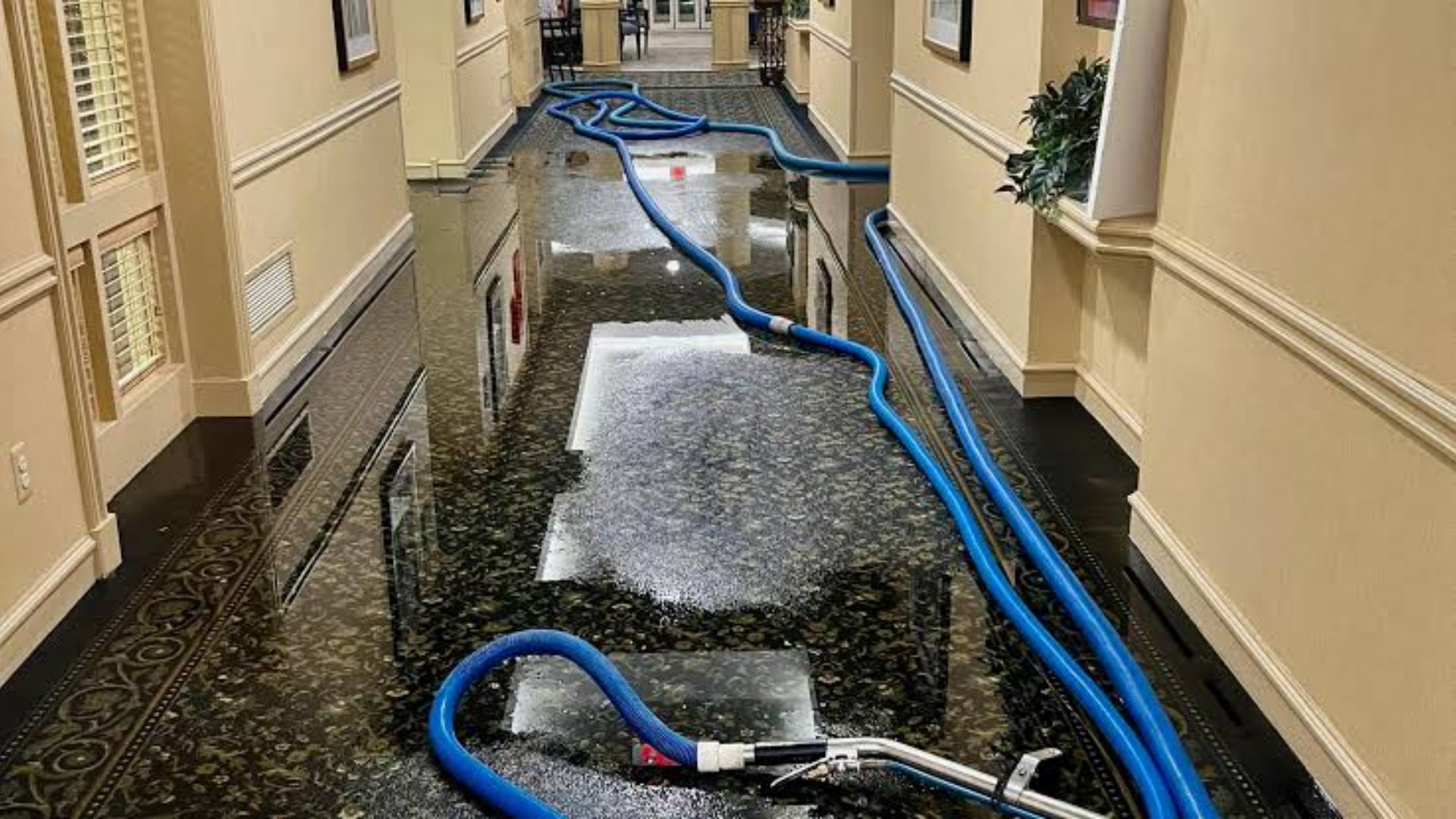
Mold often coexists with water damage, fire damage, or environmental hazards like asbestos. A trusted contractor coordinates multiple services under one roof, simplifying logistics:
- Water Extraction & Drying: Immediate mitigation prevents mold onset.
- Fire & Smoke Restoration: Post-fire water used for suppression can lead to mold without quick drying.
- Asbestos & Lead Abatement: Older Colorado Springs properties may require pre-remediation hazard surveys.
Homeowners who Need Mold Remediation in Colorado Springs benefit from turnkey solutions that restore both safety and aesthetics.
Booking Your Mold Remediation Service
Whether you spot discoloration behind kitchen cabinets or detect a musty odor in the basement, timely action is crucial. Homeowners searching for mold remediation colorado springs gain peace of mind knowing experts handle every detail—from initial testing through final clearance certification. To schedule an on-site evaluation, simply contact us or visit the website to request a fast, free estimate.
For superior customer service and proven results, entrust your property to ABC Restoration USA. Our team follows industry best practices, leverages cutting-edge equipment, and stands by a 100% satisfaction guarantee.
Frequently Asked Questions
What are the mold removal steps in a typical remediation project?
A certified team conducts an initial inspection, sets up containment barriers, removes mold-infested materials, cleans and disinfects surfaces, dries the structure, and completes restoration. Each step follows IICRC and EPA guidelines, ensuring thorough, lasting results.
How long does the mold cleanup timeline usually take?
Most single-family homes complete remediation within 7–10 days. Inspection and planning occupy Day 1, while containment and removal span Days 2–4. Cleaning, drying, and rebuild occur by Day 7. Complex or multi-unit jobs can extend to two weeks.
Are mold remediation services covered by homeowners insurance?
Coverage depends on policy details and the mold cause. If mold stems from a covered peril—like a burst pipe—insurers typically approve claims. Preventive neglect, however, may void coverage. Working with an IICRC-certified provider ensures detailed documentation for smoother claims processing.
Can homeowners perform mold remediation themselves?
DIY remediation is risky. Without professional containment and HEPA filtration, spores spread and hidden mold remains untouched. Certified technicians possess specialized tools, PPE, and training to remove mold safely, test clearance levels, and address moisture sources comprehensively.
What indicators suggest the need for professional mold remediation?
Key signs include visible mold growth, persistent musty odors, unexplained allergy symptoms, and water damage history. Rapid mold growth—visible within 24–48 hours of water intrusion—warrants immediate professional intervention to avoid health hazards and structural decay.