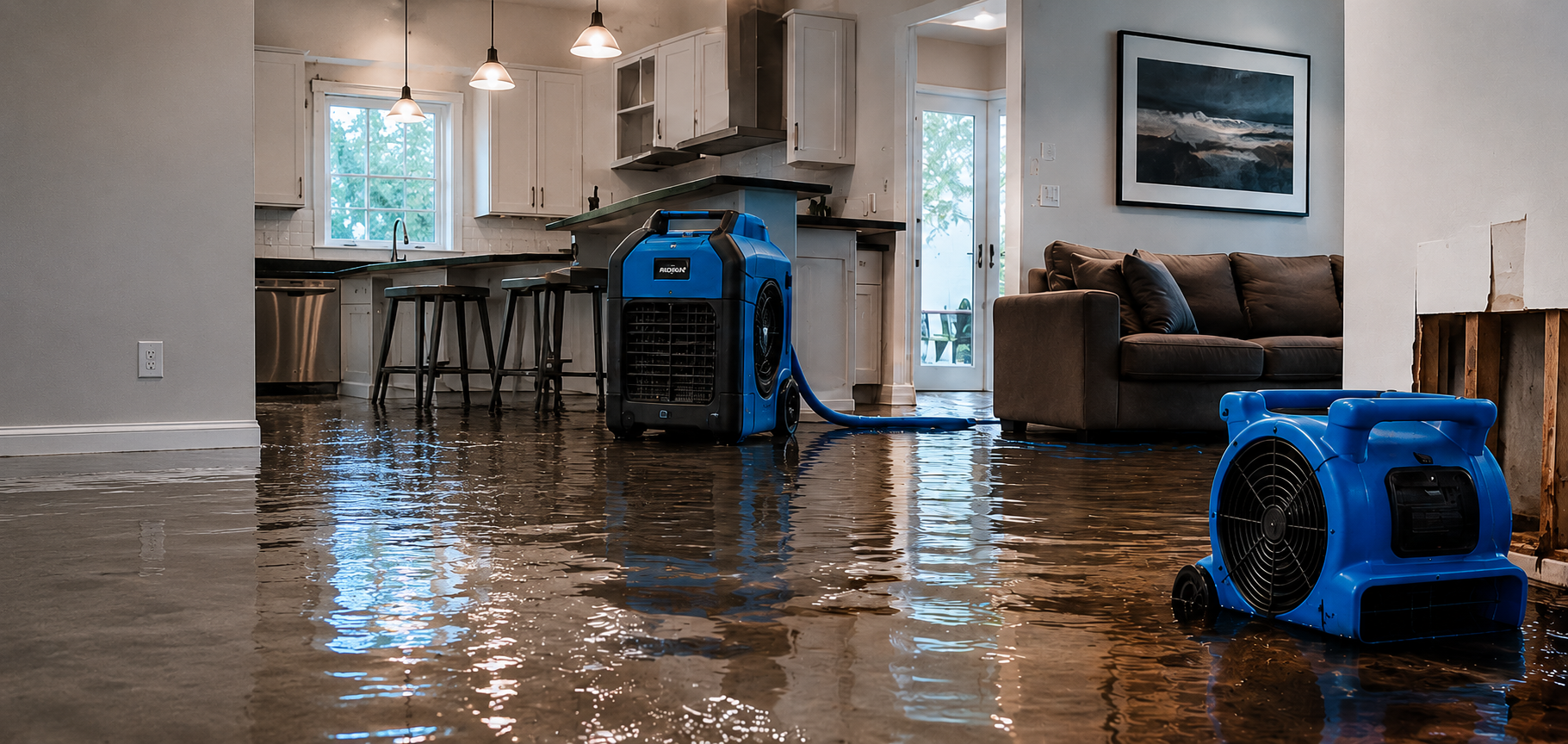
In the rugged terrain of the Pikes Peak region, water damage is rarely a simple matter of a wet floor, as the source and “category” of the liquid determine the level of health risk to your family. Securing professional water damage repair in Colorado Springs is the most vital decision you can make when a leak occurs, primarily because the hidden pathogens and biological contaminants in certain water types can cause severe respiratory issues and skin infections if handled incorrectly. In Colorado, we often see everything from clean pipe bursts to dangerous sewer backups caused by aging municipal infrastructure or heavy mountain runoff. Understanding the difference between “clean” water and “black” water is the key to protecting your home’s structural integrity and your family’s health, as each requires a vastly different set of protective gear, sanitization chemicals, and drying protocols to ensure a safe outcome.
Many residents assume that if water looks clear, it is safe to touch, but in the restoration industry, time can turn even the cleanest water into a biological hazard. Within just 48 hours, stagnant water begins to host microbial colonies, transforming from a minor nuisance into a toxic environment. Professional restoration teams bring the specialized knowledge needed to identify these invisible threats, ensuring that every square inch of your property is treated according to the highest safety standards.
What are the three categories of water damage?
The restoration industry classifies water into three distinct categories based on the level of contamination, and knowing these helps you prioritize water damage and repair colorado springs appropriately. Category 1, or “Clean Water,” comes from broken supply lines or tub overflows and poses the least immediate risk, though it can still cause massive structural issues if left to sit. Category 2, often called “Gray Water,” contains significant contamination from sources like dishwasher discharge or washing machine overflows and can cause illness if ingested or touched.
Category 3, or black water damage risks, represents the most dangerous level of intrusion, typically involving sewage, rising floodwaters from rivers, or seawater. This water is unsanitary and contains pathogenic agents, bacteria, and fungi that are life-threatening to humans and pets. In Colorado Springs, flash floods can quickly turn a backyard stream into a Category 3 event, bringing pesticides, animal waste, and heavy metals directly into your basement or crawl space.
If you suspect your home has been compromised by any of these sources, you should contact an expert team immediately to assess the situation. Attempting to clean up contaminated water without the proper personal protective equipment (PPE) can lead to the spread of “cross-contamination,” where dangerous spores are tracked into otherwise clean areas of the home, exponentially increasing the cost and duration of the cleanup process.
Understanding the Dangers of Contaminated Water Cleanup
The process of contaminated water cleanup is a highly regulated and technical undertaking that goes far beyond simple drying. When dealing with Gray or Black water, every porous material, including carpet padding, gypsum board, and fiberglass insulation, must typically be removed and disposed of as biohazardous waste. These materials act like sponges for pathogens, and no amount of surface cleaning can guarantee that the interior of the material is safe for your family to live with.
Professional restorers use industrial-grade antimicrobials and biocides that are specifically formulated to kill the specific bacteria found in sewage and floodwaters. These solutions are applied using “ULV” (Ultra-Low Volume) foggers that ensure the sanitizing agents penetrate into cracks and crevices where liquid water may have traveled. This level of thoroughness is what prevents the “musty” smell that often lingers in homes after a DIY cleanup attempt, which is actually a sign of active microbial growth.
Furthermore, safety during the cleanup phase involves strict containment protocols. Technicians set up “zip-wall” barriers and use HEPA-filtered air scrubbers to create negative air pressure. This prevents contaminated dust and aerosolized bacteria from traveling through the HVAC system to the rest of the house. By isolating the “hot zone,” professionals protect the inhabitants of the home while the dangerous work of demolition and sanitization is carried out.
High-Altitude Flash Floods and Category 3 Risks
In Colorado Springs, our unique geography contributes to specific water damage threats. During the summer monsoon season, heavy rains can cause “burn scars” from past wildfires, leading to rapid runoff that carries ash, debris, and silt. This “overland flow” is automatically classified as Category 3 water because it has traveled across the ground, picking up every pollutant in its path. These events are particularly dangerous because the water often enters the home through foundation cracks or window wells, saturating the very “bones” of the structure.
Because this water is so heavy with sediment, it can clog traditional sump pumps and drainage systems, leading to a rapid rise in indoor water levels. Professional water damage repair Colorado Springs teams use high-capacity submersible pumps and “trash pumps” to remove this thick, muddy water quickly. The faster the liquid is removed, the less time the contaminants have to soak into the wooden framing and concrete slabs of your home.
| Water Category | Common Sources | Risk Level | Professional Action Required |
| Category 1 (Clean) | Supply lines, faucets, water heaters. | Low (if handled in <24hrs). | Rapid extraction and dehumidification. |
| Category 2 (Gray) | Dishwashers, toilets (no waste), pumps. | Moderate (causes illness). | Sanitization and removal of padding. |
| Category 3 (Black) | Sewage, river floods, stagnant water. | High (pathogenic/toxic). | Full PPE, demolition, and biocides. |
The Hidden Threat of Biohazards and Pathogens
When sewage enters a home, it brings a cocktail of viruses and bacteria, including E. coli, Hepatitis A, and Salmonella. These pathogens can survive on surfaces for days or even weeks, posing a persistent threat to anyone in the building. A certified restoration firm follows a strict “chain of command” for cleaning these biohazards, beginning with the physical removal of waste and ending with third-party testing to ensure the area is clinically clean.
Safety is also a concern for the home’s HVAC system. If a flood occurs, the humidity in the air can reach 100%, and that moisture is pulled into the return vents of your furnace. This can distribute mold spores and bacteria throughout every room in the house. Part of a professional cleanup involves inspecting and, if necessary, professionally cleaning the ductwork to ensure that the air you breathe is not being recycled through a contaminated source.
In addition to biological threats, Category 3 water often carries chemical hazards. In residential areas, this might include lawn fertilizers, motor oil from flooded garages, or cleaning chemicals from under the sink. These chemicals can react with one another to create toxic fumes or “VOCs” (Volatile Organic Compounds) that can cause dizziness, nausea, and long-term health complications. Professional air scrubbers with charcoal filters are used to pull these chemical odors and vapors out of the air during the drying process.
Why Speed Matters in Category 2 and 3 Mitigation
The “Category” of water is not static; it can change over time. If a Category 1 pipe burst is ignored for several days, it can degrade into Category 2 or even Category 3 as it reacts with floor adhesives, dirt, and organic materials in the home. This “ripening” process is why insurance companies insist on immediate mitigation. The longer the water sits, the more dangerous the environment becomes, and the more expensive the final water damage repair colorado springs co will be.
Speed also helps preserve the “structural integrity” of the home. When wood is exposed to contaminated water, the bacteria can actually accelerate the rate of rot and decay. By extracting the water and applying antimicrobials within the first few hours, technicians can often save the structural studs of the house, even if the cosmetic finishes like drywall and carpet must be replaced. This prevents a “total loss” scenario and helps maintain your property’s value.
For homeowners in the Front Range, the dry climate can be a double-edged sword. While it helps with the final drying stages, it can also cause contaminated sediment to dry into a fine dust very quickly. Once that dust becomes airborne, it is easily inhaled, which is often how “Flood Fever” or other respiratory infections are contracted after a disaster. Professional “wet-wiping” and HEPA-vacuuming are essential to ensure that no toxic dust is left behind once the home is dry.
Restoring Your Home to a Healthy Standard
The final goal of any restoration project is to return the home to a “Pre-Loss Condition,” which means it must be as clean and safe as it was before the water entered. For contaminated sites, this involves a “Post-Remediation Verification” (PRV). This is an inspection that often includes air quality testing or surface swabbing to prove that the bacterial counts have been returned to a normal, safe level. This data is vital for your peace of mind and for providing proof of safety to future homebuyers.
During the reconstruction phase, it is also an opportunity to “build back better.” Many homeowners choose to install moisture-resistant materials or improved drainage systems during the repair process to prevent a repeat of the disaster. A professional restoration company can provide advice on these upgrades, ensuring that your home is not only restored but also hardened against future weather events or plumbing failures.
Working with an insurance-preferred contractor ensures that the “SOP” (Standard Operating Procedure) for contaminated water is followed to the letter. Insurance companies are very strict about Category 3 claims because of the liability involved with health risks. By using a certified firm that documents every step of the sanitization process, you ensure that your claim is processed smoothly and that your home’s “occupancy permit” is never in jeopardy due to health code violations.
Frequently Asked Questions About Water Safety
Can I save my carpet if it was touched by sewage?
No. Industry standards (IICRC S500) require that carpet and padding saturated by Category 3 water be removed and disposed of. The risk of trapped pathogens in the fibers is too high to safely clean.
Is it safe to use bleach to clean up floodwater?
Bleach is a disinfectant, but it is often not the right tool for porous materials. Bleach can “lock in” moisture and may not kill the roots of certain fungi. Professional restorers use specialized, EPA-approved biocides that are safer and more effective for structural drying.
What should I do if I smell a “sewer” odor after a rainstorm?
This could indicate a “backflow” issue where your main drain is struggling. You should avoid using any water in the house and call a restoration professional immediately to check for hidden backups in your basement or crawl space.
How do I protect myself if I have to enter a flooded area?
If you must enter, wear waterproof boots, gloves, and a mask (N95 or better). Avoid any contact with your eyes, nose, or mouth, and wash your skin thoroughly with antibacterial soap as soon as you exit the area.
Does homeowners insurance cover “Black Water” damage?
Most standard policies cover sudden pipe bursts (Category 1), but “Sewer Backup” and “Flood Insurance” (overland flow) are often separate endorsements. Check your policy or ask your restoration provider to help you review your coverage.
Choosing the Right Partner for Hazardous Cleanup
When your home is threatened by dangerous contaminants, you cannot afford to take risks with uncertified contractors or DIY methods. The health of your family and the safety of your environment depend on a scientific, disciplined approach to restoration. By understanding the risks associated with different water categories and acting quickly to bring in certified professionals, you can navigate even the most dangerous flood events with confidence and ensure your home is returned to a truly safe condition.
At ABC Restoration, we specialize in the most challenging and hazardous water damage repair in Colorado Springs co. Our technicians are fully trained in biohazard safety and IICRC protocols for handling Category 2 and Category 3 water intrusions. We use the most advanced sanitization technology and containment strategies to protect your home and your health throughout the entire recovery process. We are committed to transparency, safety, and excellence in every project we undertake. If you are facing a contaminated water crisis, don’t wait for the danger to spread, call us today and let our experts handle the cleanup safely and professionally.