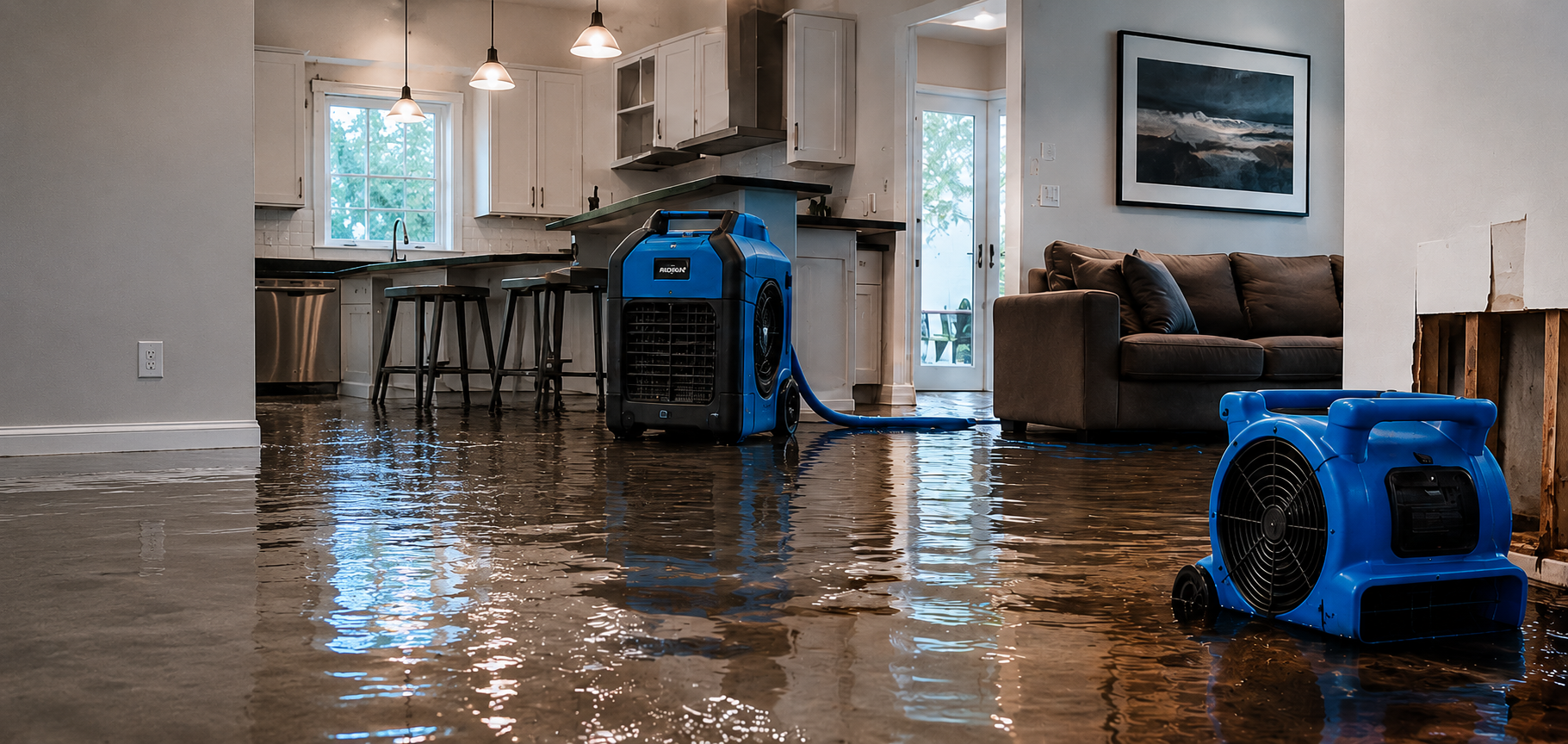
Colorado Springs residents often face persistent challenges with mold growth. Homes here endure rapid temperature swings, monsoonal summer storms, and low winter humidity. These conditions create cyclical moisture problems that allow mold spores to take root in walls, ceilings, and especially basements. Understanding the unique climate influences and structural vulnerabilities of Colorado Springs homes is essential for protecting indoor air quality and preventing costly damage.
The Colorado Springs Climate and Mold Vulnerability
Colorado Springs’ semi-arid environment masks the hidden moisture threats that lurk in many homes. Despite an average annual precipitation of less than 20 inches, the city’s high elevation and summer monsoons can flood crawl spaces and basements in just a few short hours. When runoff is not diverted effectively from foundations, moisture issues CO homes arise, creating a perfect breeding ground for common molds such as Aspergillus and Cladosporium.
Basements serve as natural dehumidifiers in this region, but when humidity spikes above 60 percent, mold finds an inviting habitat. Condensation collects on uninsulated pipes and concrete walls, and without proper ventilation, spores proliferate. Seasonal freeze-thaw cycles may also cause foundation cracks, allowing groundwater intrusion and exacerbating basement mold problems.
Causes of Mold Growth in Colorado Springs

The causes of mold growth in Colorado Springs stretch beyond simple water exposure. Leaky plumbing, inadequate gutter drainage, and neglected exterior grading contribute to hidden moisture sources. Traditional building materials like drywall and wood framing absorb water and trap it behind walls, often going undetected until mold is well-established.
In addition to structural leaks, everyday activities such as showering, cooking, and laundry release water vapor into the air. When exhaust fans are undersized or seldom used, humidity accumulates indoors. This stagnation encourages mold spores—ubiquitous in outdoor air—to settle on damp surfaces, grow deeper into porous materials, and wreak havoc on both health and home value.
Common Moisture Sources vs. Impact on Mold Growth
| Moisture Source | Typical Locations | Mold Growth Likelihood |
|---|---|---|
| Foundation Leaks | Basement walls, crawl spaces | High |
| Condensation | HVAC ducts, cold water pipes | Medium |
| Roof and Window Leaks | Attics, window sills, exterior walls | High |
| Humidity from Activities | Bathrooms, kitchens, laundry areas | Medium |
Why Basements Are Particularly at Risk
Basements naturally sit below grade, where hydrostatic pressure and groundwater seepage apply constant stress on foundation walls. In neighborhoods built on the Peach Creek drainage basin, older homes often rely on clay tile drains that have deteriorated. As water pools around footings, it permeates concrete block walls and infiltrates low spots in poured slabs.
Without a properly installed sump pump or french drain, homeowners may notice water stains on basement floors after heavy storms. These stains herald the arrival of mold communities, often led by fast-spreading black mold species like Stachybotrys chartarum. Over time, mold continues to colonize behind finished walls, under carpeting, and within upholstered furnishings, requiring professional attention.
Health Impacts of Mold Exposure
Mold spores can trigger allergic reactions in up to 10 percent of the U.S. population, and Colorado Springs is no exception. Sensitive individuals experience sneezing, wheezing, and itchy eyes when exposed to elevated spore counts indoors. Chronic exposure to molds such as Penicillium and Alternaria may lead to persistent respiratory issues, particularly for those with asthma or compromised immune systems.
Beyond allergies, some molds generate mycotoxins that pose neurological risks. Research indicates that long-term inhalation of mycotoxin-laden spores can contribute to headaches, cognitive impairment, and even depression. Ensuring a mold-free environment in living spaces and basements is thus as much about safeguarding health as it is about preserving property value.
Professional Mold Remediation in Colorado Springs

When mold overruns a home, professional intervention becomes crucial. DIY attempts often disturb colonies, releasing spores into the air and worsening the infestation. Engaging trained technicians who follow IICRC guidelines guarantees containment, thorough removal, and prevention of cross-contamination.
Colorado homeowners increasingly search for mold remediation colorado springs experts to restore safe conditions. A certified team will begin with a detailed moisture audit, utilizing thermal imaging and moisture meters to identify hidden leaks. Containment barriers, negative air machines, and HEPA filtration then isolate and remove mold without spreading spores to unaffected areas.
In the lifecycle of a remediation project, addressing the root causes is as essential as removing visible colonies. Technicians will recommend foundation waterproofing, gutter realignment, and graded landscaping to divert water away from the structure. Only by eliminating continuous moisture sources can a residence remain mold-free long-term.
Integrating Asbestos and Mold Risk Management
Older Colorado Springs homes sometimes harbor asbestos-containing materials in insulation and floor tiles. Disturbing drywall or removing baseboards during mold remediation can inadvertently release asbestos fibers. Partnering mold professionals with certified Asbestos Removal In Colorado Springs teams ensures safe handling of both hazards.
This coordinated approach minimizes occupant exposure, reduces project timelines, and lowers the chance of regulatory complications. A combined mold-asbestos service not only protects indoor air quality but also demonstrates a commitment to comprehensive risk management.
Prevention Best Practices for Homeowners
Vigilance and maintenance are the first lines of defense against mold. Regularly inspecting basements and crawl spaces for damp spots, oil leaks from furnace lines, or condensation on ductwork will catch emerging issues early. Installing a dehumidifier set below 50 percent relative humidity can keep mold-prone areas dry year-round.
Routine servicing of HVAC systems, including professional duct cleaning, removes dust and mold spores before they circulate. Homeowners should also seal cracks in foundation walls and apply waterproof coatings to poured concrete. When minor leaks occur, immediate drywall removal and structural drying prevent mold from becoming entrenched.
Seasonal Maintenance Checklist
| Season | Recommended Tasks |
|---|---|
| Spring | Clean gutters, check downspout extensions, inspect basement |
| Summer | Service air conditioner, run dehumidifier in basement weekly |
| Fall | Test sump pump, seal foundation cracks, inspect roof |
| Winter | Monitor indoor humidity, ventilate bathrooms post-shower |
Cost Considerations for Mold Remediation
The price tag for mold remediation in Colorado Springs varies by infestation size, affected materials, and remediation complexity. Small basement patches may start around $500, while large-scale jobs involving removal of drywall, insulation, and carpeting can exceed $5,000. Multi-hazard projects integrating asbestos abatement may add to expenses but yield long-term savings by combining services.
Several insurance plans cover mold damage if it results from a sudden, covered peril like a burst pipe. However, policies typically exclude mold stemming from neglected maintenance. Homeowners should review their coverage and file claims promptly after professional inspection to maximize reimbursement.
When to Contact Experts
Persistent mold odors, growing patches on walls or ceilings, and allergy flare-ups are signs that professional help is needed. If water stains reappear after remediation, underlying leaks remain unresolved. At that point, it’s time to contact us for a comprehensive evaluation. Delays often mean more damage, higher remediation costs, and greater health risks.
ABC Restoration USA emphasizes transparent pricing, swift response times, and third-party clearance testing to verify that remediation meets industry standards. With a 24/7 emergency hotline and locally based crews, the team restores both safety and peace of mind for Colorado Springs families.
Conclusion
Mold’s tenacity in Colorado Springs homes and basements stems from a unique convergence of semi-arid climate, seasonal storms, and structural vulnerabilities. Recognizing the early warning signs—musty odors, visible patches, and humidity spikes—empowers homeowners to act swiftly. Professional mold remediation colorado springs services deliver safe, effective removal and expert guidance on moisture control, foundation waterproofing, and HVAC maintenance.
Whether facing a small patch in the crawl space or widespread growth in a finished basement, ABC Restoration USA stands ready to restore healthy indoor air quality. By combining mold abatement with coordinated asbestos removal, dehumidification, and preventive solutions, residents can reclaim their homes as safe, comfortable sanctuaries.
Frequently Asked Questions
What causes mold growth in Colorado Springs basements?
Mold in basements Colorado Springs often results from foundation leaks, condensation on cold surfaces, high indoor humidity, and inadequate drainage. Seasonal monsoons and freeze-thaw cycles exacerbate these vulnerabilities.
How does professional mold remediation differ from DIY cleaning?
Professional remediation uses containment, HEPA filtration, negative air pressure, and antimicrobial treatments. Experts identify hidden moisture sources and apply structural drying, preventing spore spread and recurrence.
Can homeowners prevent mold without major renovations?
Yes. Simple steps include running a dehumidifier, sealing foundation cracks, ensuring downspouts direct water away, and ventilating bathrooms and kitchens effectively.
Does homeowners insurance cover mold removal?
Coverage depends on policy terms. Many plans cover mold after a sudden, accidental water event, such as a burst pipe. Preventive or maintenance-related mold is typically excluded.
How long after remediation can one re-occupy the space?
Clearance testing confirms when air and surface samples fall below safe spore levels. Most projects allow re-occupancy within 24 to 48 hours after remediation and drying are complete.