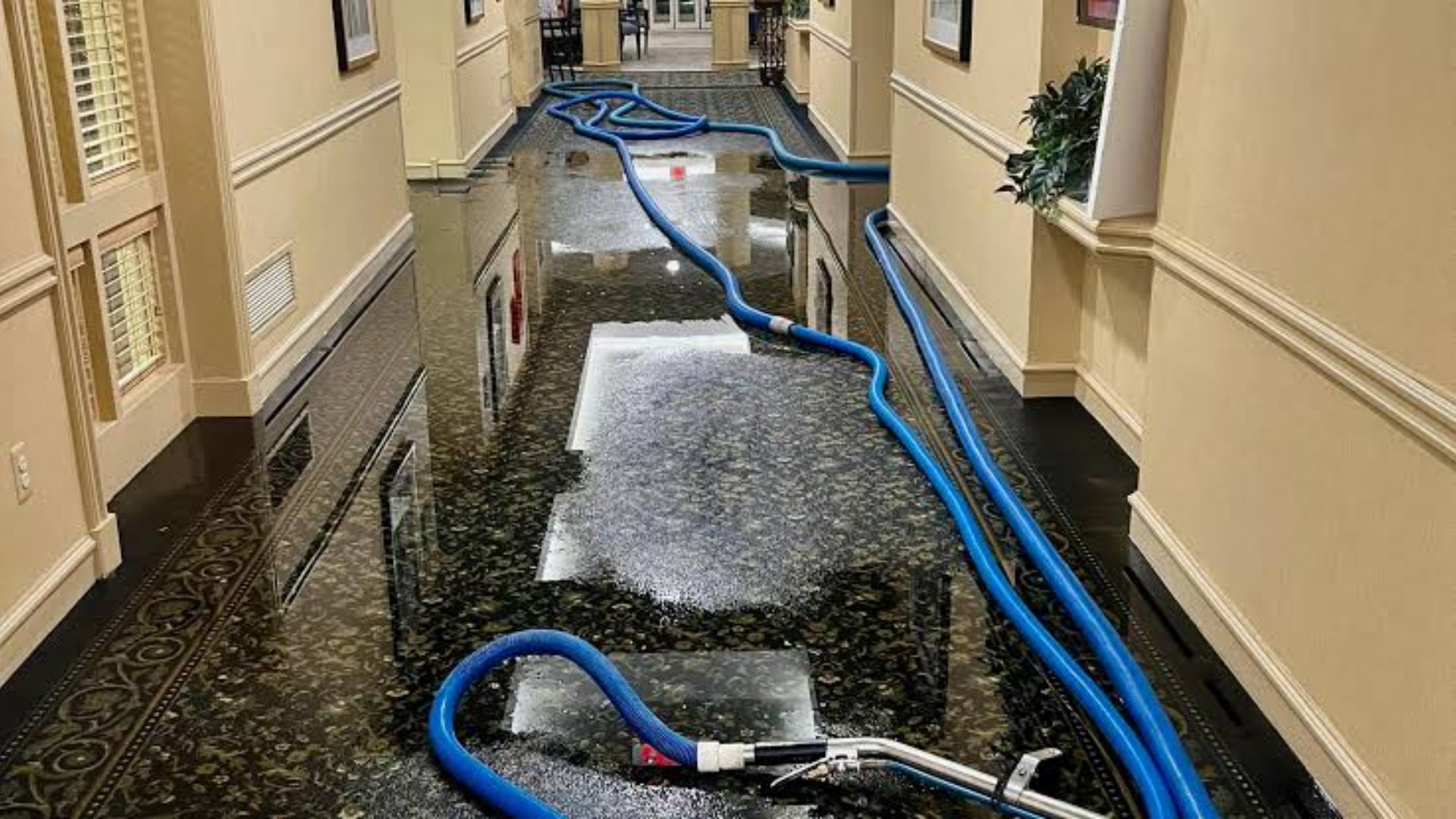
Living at the foot of the Rockies brings breathtaking views, but the region’s volatile weather patterns and high-altitude atmosphere create a complex environment for water damage repair Colorado Springs. Whether you are dealing with a frozen pipe burst during a sudden October cold snap or the aftermath of a summer hailstorm that sent torrents of water into your basement, the timeline for recovery is dictated by the unique atmospheric conditions of the Front Range. In a semi-arid climate like ours, many homeowners mistakenly believe that the dry air will handle the moisture for them, yet the reality is far more dangerous. Professional restoration is required to manage the rapid shifts in humidity and pressure that can cause moisture to become trapped in building materials, leading to long-term structural instability if not addressed with scientific precision within the first 24 to 48 hours.
The local climate is characterized by low relative humidity but also by extreme diurnal temperature swings that can exceed 40 degrees in a single day. These fluctuations affect the “vapor pressure differential,” which is the driving force behind how quickly water moves from a solid material into the air. Without professional intervention, the “dry” Colorado air can actually cause the surface of materials to seal shut while moisture remains trapped deep inside, leading to a phenomenon known as “dry rot” or hidden mold growth that traditional drying methods fail to detect.
How long does it take for water damage to dry in Colorado?
In a typical residential setting, the drying phase of water damage repair in Colorado Springs co usually takes between three to five days, depending on the materials involved and the volume of water. While our local outdoor air is naturally dry, the indoor environment during a flood becomes a micro-climate of nearly 100% humidity. Because the air at 6,035 feet above sea level is thinner, it has a different capacity for holding water vapor than air at sea level, requiring restoration specialists to calibrate their dehumidification equipment specifically for our high-altitude environment to maintain an efficient drying rate.
The drying time restoration specialists aim for is governed by the “dry standard” of the specific materials in your home, such as Douglas fir framing or gypsum drywall. If the water has reached the subflooring or is trapped behind vapor barriers, the timeline may extend as specialized “injectidry” systems are used to force air into hidden cavities. The goal is always to move the property from a “saturated” state to a “stable” state as quickly as possible to prevent the onset of microbial growth, which can begin in as little as 48 hours regardless of how dry the outdoor air feels.
During this critical window, monitoring is the most important part of the process. If you are experiencing a leak and need to contact a professional team, they will use moisture probes to track the daily progress of the drying. This ensures that the equipment is not removed too early, which is a common mistake that leads to “secondary damage” such as warped hardwood or sagging ceilings weeks after the initial incident seemed to be resolved.
Understanding the Colorado Springs Climate Water Damage Risks
The specific Colorado Springs climate water damage risks often revolve around our “shoulder seasons” and the rapid freeze-thaw cycles. When water inside pipes freezes, it expands with enough force to rupture copper and PEX lines alike. When the inevitable thaw occurs hours later, hundreds of gallons of water are released into the home’s structure. Because this often happens in the middle of winter, the cold outdoor temperatures can make it difficult to maintain the high indoor heat necessary for effective evaporation, potentially extending the restoration timeline.
Summer monsoons present a different challenge. The heavy, localized downpours common in El Paso County can lead to flash flooding and “overland flow” that enters homes through window wells or foundation cracks. This water is often highly contaminated with soil and organic matter, requiring a much more intensive cleaning and sanitization phase before the drying can even begin. The presence of contaminants adds a “bioclean” requirement to the timeline that simple pipe bursts do not necessitate.
Another factor is our local soil composition, which often includes expansive clays. When large amounts of water are introduced to the soil around a foundation, the soil can swell and put immense pressure on basement walls. A professional restoration team must not only dry the interior but also ensure that the exterior drainage is managed to prevent foundation “heaving.” This holistic approach is why local expertise is so vital for maintaining the long-term value of a Colorado Springs property.
The Importance of Local Water Damage Repair Expertise
Utilizing a local water damage repair service means working with technicians who understand how our local building codes and materials react to the environment. For instance, many homes in the Black Forest or Manitou Springs areas use specific types of wood or historic masonry that require gentler drying techniques to prevent cracking. A one-size-fits-all approach from a national franchise might not account for the delicate balance of moisture required to preserve these unique architectural features.
Local experts also have the advantage of being able to respond within the “golden hour” of mitigation. In the thin air of the Front Range, water can migrate through building materials at a surprising speed. By having a team on-site within 60 to 90 minutes, the bulk of the liquid can be extracted before it reaches the “Category 3” status that occurs when water sits for too long. This rapid response is the most effective way to shorten the overall repair timeline and reduce the total cost of the project.
| Climate Factor | Impact on Restoration | Professional Adjustment |
| High Altitude | Lower air density affects vapor capacity. | Calibration of LGR Dehumidifiers. |
| Low Humidity | Surface-level drying happens too fast. | Controlled airflow to ensure deep drying. |
| Temp Swings | Material expansion and contraction. | Constant monitoring of “Dry Standards.” |
| Monsoon Rain | Contaminated “Black Water” entry. | Intensive sanitization and microbial wash. |
| Winter Freeze | Frozen pipes and limited evaporation. | Use of portable heaters to boost “Vapor Pressure.” |
Why Altitude Changes the Science of Drying
The physics of drying is based on the movement of water molecules from a high-pressure area (the wet material) to a low-pressure area (the dry air). At the altitude of Colorado Springs, the atmospheric pressure is significantly lower than at the coast. This means that water actually evaporates at a lower temperature, but the air also reaches its “saturation point” faster. Professional restorers must use “Low Grain Refrigerant” (LGR) dehumidifiers that are designed to continue pulling moisture out of the air even when the humidity levels are already quite low.
If a contractor uses standard “refrigerant” dehumidifiers, they will likely stop working effectively once the room reaches about 30% humidity. However, to get moisture out of the deep pores of a wooden floor, the air needs to be much drier than that. This is where the technical expertise of water damage repair in Colorado Springs co becomes apparent. Using the wrong equipment will result in a project that stays “stuck” in the drying phase for a week or more without ever reaching the true dry standard required for safety.
Furthermore, the “CFM” (Cubic Feet per Minute) of air movers must be carefully calculated. In our thin air, fans move fewer air molecules than they would at sea level. To compensate, a technician may need to place 20% to 30% more air movers in a room to achieve the same evaporative effect. This is a scientific detail that DIY enthusiasts or general contractors often overlook, leading to “pockets” of stagnant, wet air that eventually cause the drywall to swell and fail.
The Role of Dehumidification in the Front Range
In a semi-arid environment, homeowners often ask why they need dehumidifiers at all. The answer lies in the concept of “Secondary Damage.” As water evaporates from your carpet, it enters the air inside your home. If that moisture is not mechanically removed, it will find the coolest surfaces in your house such as the inside of your exterior walls or the underside of your roof deck and condense back into liquid water. This can cause mold to grow in rooms that were never even touched by the original flood.
Industrial-grade dehumidifiers act as the “engine” of the restoration project. They create a “thirst” in the air that constantly pulls moisture out of the structure. In Colorado Springs, where summer days can be hot but nights are cool, the dehumidifier must also act as a stabilizer to keep the indoor environment consistent. This consistency is what prevents wood flooring from “cupping” or “crowning,” which are types of permanent deformation that occur when wood dries too unevenly.
Modern restoration teams also use “Air Scrubbers” equipped with HEPA filters. These machines are not for drying, but for safety. As materials dry, they can release dust, particulates, and dormant mold spores into the air. In a high-altitude environment where many people already struggle with respiratory issues or dry sinuses, maintaining high indoor air quality is a non-negotiable part of a professional restoration plan.
Navigating the Reconstruction Phase After Drying
Once the drying phase is complete, the “repair” portion of water damage repair colorado springs co begins. This involves replacing any materials that were too damaged to save, such as carpet padding, insulation, or specific sections of drywall. Because Colorado Springs is a growing hub, material availability can sometimes impact the reconstruction timeline. A well-connected local restoration company will have established relationships with local suppliers for everything from specialized baseboards to matching paint colors.
Speed in reconstruction is often a matter of coordination. If your restoration company also handles the rebuild, the transition is seamless. The moment the “Certificate of Dryness” is signed, the drywall team can begin their work. This prevents the “dead time” that occurs when a homeowner has to find a separate contractor to finish the job. This integrated approach can shave a week or more off the total time it takes to get your home back to its pre-loss condition.
Insurance companies also play a major role in the timeline. Most local adjusters in the El Paso County area prefer working with restoration companies that use Xactimate, a standardized pricing software. This ensures that the “scope of work” is approved quickly without the need for lengthy negotiations. By speaking the language of the insurance industry, a professional restoration team ensures that the financial side of the project moves just as fast as the physical labor.
Why Winter Water Damage is Different in the Rockies
Winter presents the highest risk for water damage in Colorado Springs due to our “Chinook” winds and rapid temperature drops. A pipe located in an exterior wall might be fine during a 40-degree day, but when the sun goes down and the temperature drops to -5 degrees in a matter of hours, that pipe will freeze instantly. When it bursts, the water often follows the path of least resistance, flowing through insulation and down into the levels below.
Drying a home in sub-freezing temperatures requires supplemental heat. If the home’s furnace is non-functional or if the water damage occurred in an unheated garage, the restoration team must bring in portable, indirect-fired heaters. These units provide the energy necessary to break the molecular bonds of the water, allowing it to evaporate. Without this added heat, the drying process could take two to three times longer, increasing the total cost of the project and the risk of structural rot.
The “ice damming” effect is another winter concern. When snow melts on a roof and then refreezes at the eaves, it creates a dam that forces water up under the shingles. This leads to ceiling leaks that are often difficult to track. Local restoration experts know how to identify these leaks and can coordinate with roofing professionals to ensure the source is fixed while they dry the interior, providing a comprehensive solution to a complex climate-driven problem.
Frequently Asked Questions About Local Restoration
Does the dry Colorado air help my house dry faster on its own?
While the air is dry, it cannot reach the moisture trapped inside walls or under cabinets without mechanical assistance. Relying on the “dry air” usually leads to surface drying while the core of the material remains wet, causing mold and rot.
How soon can mold start growing in Colorado Springs?
Despite the low humidity, mold can begin to grow within 24 to 48 hours of a water intrusion. The high-humidity micro-climate created by the standing water provides everything the spores need to germinate.
Will my hardwood floors be ruined forever?
Not necessarily. If professional extraction and specialized “floor mats” are used within the first 24 hours, even heavily saturated hardwood can often be saved and returned to its original state.
Why is my electricity bill higher during restoration?
The industrial air movers and dehumidifiers must run 24/7 to be effective. While this uses more power, the cost is typically considered a “mitigation expense” and is covered by most homeowners’ insurance policies.
Can I stay in my home while the drying equipment is running?
It is possible, but it can be loud and the air will be very warm and dry. Many homeowners choose to stay elsewhere for the 3 to 5 days required for the heavy drying phase to ensure their own comfort.
Protecting Your Property in the Pikes Peak Region
The climate of Colorado Springs is as challenging as it is beautiful, and protecting your home from water damage requires a deep understanding of how our environment interacts with your property’s structure. From the high-altitude physics of evaporation to the seasonal risks of frozen pipes and monsoon floods, every variable must be accounted for to ensure a successful recovery. By choosing a professional team that understands these local nuances, you can navigate the restoration process with confidence and return your home to safety in the shortest possible time.
At ABC Restoration, we are proud to be the premier choice for water damage repair in Colorado Springs co. Our team is equipped with the advanced technology and local expertise necessary to handle the unique demands of our region’s climate. We work tirelessly to ensure that every project is handled with the scientific precision it deserves, from initial extraction to final reconstruction. If you are facing a water emergency, don’t leave your home’s future to chance, contact us today and let our family protect yours.