When you begin the journey of mold remediation in Colorado Springs, you may not realize that the process involves far more than cleaning visible mold. It’s an in-depth approach designed to restore air quality, remove contamination, and prevent future growth. The experience begins the moment a professional inspection starts and continues through cleanup and restoration. Understanding what happens during mold removal gives you confidence and clarity as your home becomes safe again.
What Happens During Mold Remediation in Colorado Springs?
The first thing homeowners often want to know is what the full mold remediation process Colorado Springs actually includes. The steps are structured to ensure safe, long-lasting results.
Initial Assessment and Testing
The mold remediation process in Colorado Springs starts with a detailed inspection. Professionals use tools like moisture meters and thermal cameras to detect hidden moisture pockets. They may also collect air or surface samples to identify the type and extent of mold. Inspectors also evaluate the source of moisture, whether it’s a leak, poor ventilation, or condensation. Once they gather data, they create a specialized remediation plan that fits your home’s needs.
Containment and Air Filtration
After identifying the problem areas, the team sets up containment. Plastic sheeting and sealed barriers prevent mold spores from spreading during cleanup. Negative air pressure machines draw contaminated air inward, ensuring spores do not escape into clean areas. HEPA filters run constantly to capture microscopic particles. This creates a controlled environment where remediation can happen safely and efficiently.
Removal of Contaminated Materials
Depending on the level of mold growth, materials such as drywall, carpeting, insulation, and wood may need removal. Porous materials often absorb mold deeply, making them impossible to salvage. Items like metal, glass, or sealed surfaces can generally be cleaned. All contaminated debris is securely bagged and removed following safety protocols to prevent cross-contamination.
Cleaning, Disinfection and Air Scrubbing
Once unsalvageable materials are removed, technicians clean all remaining surfaces using HEPA vacuums and antimicrobial solutions approved by regulatory standards. In some cases, they apply encapsulating agents that seal surfaces to prevent future mold regrowth. Air scrubbers continue running throughout this stage to ensure lingering spores are removed from the air.
Moisture Control, Drying and Dehumidification
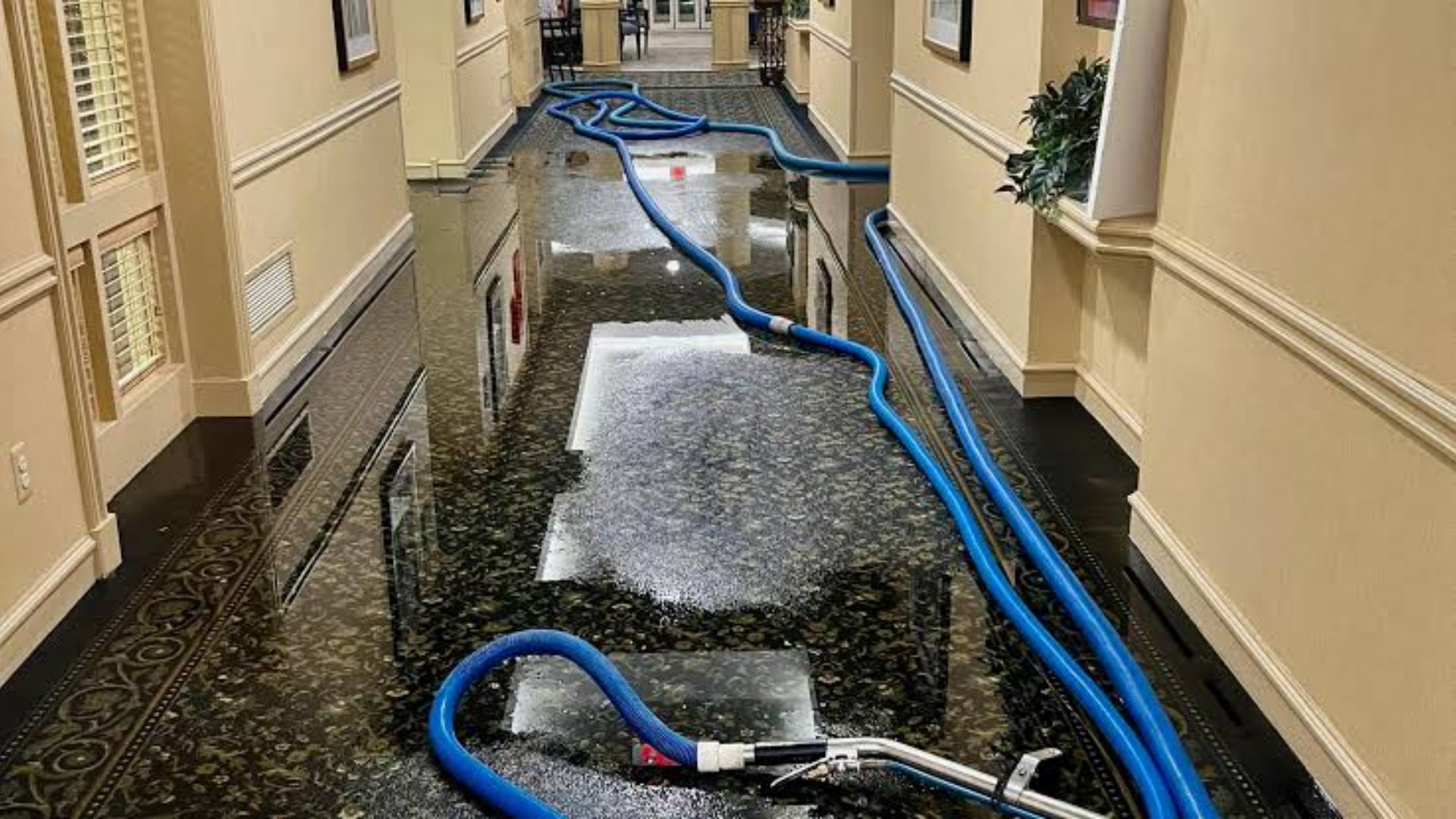
Since mold thrives in moisture, professional teams use industrial-grade dryers and dehumidifiers to stabilize humidity. They monitor moisture levels using specialized instruments, ensuring the structure is completely dry before completing the process. This step is essential because mold will return if moisture issues remain unresolved.
Repairs, Restoration and Final Clearance
Once the area is dry, the restoration team replaces drywall, flooring, trim, or insulation that was removed earlier. After repairs, a final inspection or clearance test confirms the home is safe, dry, and free of harmful mold levels. The goal is to return your property to its pre-damage condition.
Why Mold Remediation Is Especially Important in Colorado Springs
The climate in Colorado Springs presents unique challenges. Sudden weather changes, snowmelt, and seasonal humidity can create ideal environments for mold growth. Many homes also contain older plumbing or insulation that traps moisture. Mold often grows silently in crawlspaces, behind walls, or in HVAC systems long before it becomes visible.
Hidden Mold Threats
Not all mold grows out in the open. You may notice musty odors or allergy-like symptoms long before any discoloration appears. Because hidden mold can spread quickly, professional remediation is the safest choice. Technicians follow industry-recognized guidelines to detect, contain, and eliminate mold from both visible and concealed areas.
How Long Does Mold Remediation Typically Take?
Below is an overview of the typical Colorado Springs mold remediation steps and timeline:
| Phase | Typical Duration |
| Inspection and Testing | Same day |
| Containment Setup | Less than one day |
| Material Removal | 1–2 days |
| Cleaning and Disinfecting | 1–2 days |
| Drying and Dehumidification | 1–3 days |
| Repair and Restoration | Several days to a week |
Most residential projects take about a week. Larger or more complex mold cases may take longer depending on how much reconstruction is needed.
Is Professional Mold Remediation Always Necessary?
Minor mold spots on non-porous surfaces may be cleaned by homeowners. However, deeper or widespread mold presents risks when handled without professional equipment. Professionals not only remove mold but also address the underlying moisture source, ensuring long-term protection. They follow established safety standards that prevent spores from spreading and ensure complete cleanup.
How to Prepare for a Mold Remediation Appointment
Before the team arrives, consider clearing the affected area to ensure they have full access. Avoid using your HVAC system, as it can circulate spores. If anyone in the home is sensitive to mold, consider staying elsewhere during removal and demolition. After remediation, practices like keeping humidity low, repairing leaks quickly, and maintaining airflow will help prevent future issues. If you ever need help, you can reach out through our contact page for assistance.
Frequently Asked Questions (FAQs)
What are the steps involved in a mold remediation project?
A professional team inspects the affected area, sets up containment, removes contaminated materials, cleans and disinfects surfaces, dries the structure, and completes the restoration process.
How long does mold removal typically take?
Most projects take 7 to 10 days from inspection to final clearance. Complex cases involving structural repairs may take longer.
Can I perform mold remediation myself?
Small areas may be manageable, but larger mold problems require professional equipment and training to prevent spreading and ensure complete removal.
Are strong chemicals used during remediation?
Technicians use safe, approved antimicrobial treatments. Air filtration minimizes odors, and ventilation helps clear the space quickly.
When is the home safe to reenter?
You should only return once professionals confirm air quality and moisture levels meet safety standards through a final inspection.
Conclusion
Choosing mold remediation Colorado Springs experts ensures your home is treated using proven techniques that remove mold safely and completely. From inspection to final restoration, every step restores your home’s health and prevents future contamination. When you’re ready to protect your home and family, ABC Restoration USA is here to deliver reliable, thorough, and professional mold remediation services tailored to your needs.