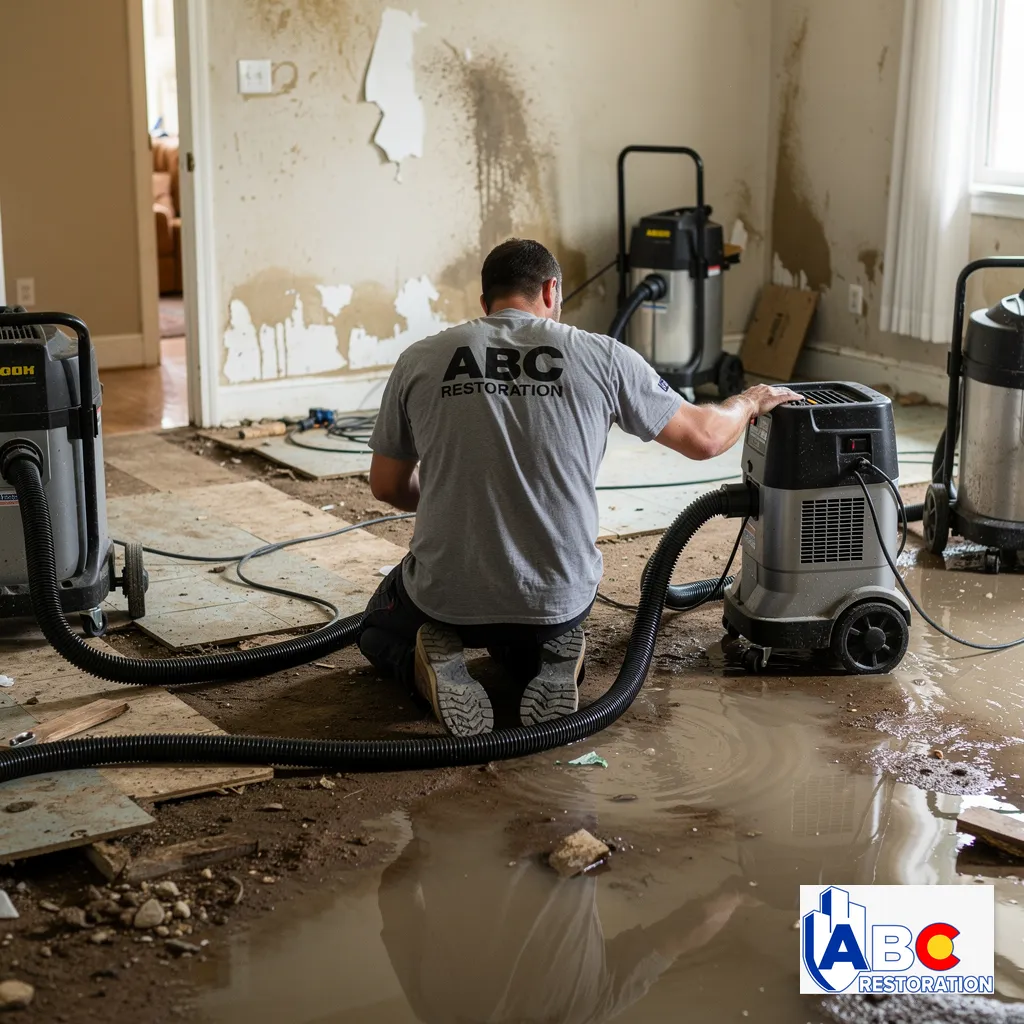
Water damage is one of the most stressful situations a Colorado homeowner can face and navigating the insurance claim process on top of it makes things even harder. Whether a burst pipe flooded a basement during a hard freeze or a monsoon storm pushed water through the foundation, knowing exactly what to do in the hours and days after the damage can be the difference between a full payout and a denied claim.
This guide walks Colorado Springs homeowners through every step of the process.
Does Homeowners Insurance Cover Water Damage in Colorado?
Before filing anything, it helps to understand what Colorado policies actually cover. Standard HO-3 homeowners insurance covers water damage that is sudden and accidental think a pipe that bursts overnight, an appliance that fails unexpectedly, or a roof leak caused by a hailstorm. What it typically does not cover is damage from gradual leaks, poor maintenance, or external flooding (which requires a separate NFIP flood insurance policy).
Colorado’s climate adds a specific wrinkle: freeze-thaw cycles are a leading cause of burst pipes, and summer monsoons from late June through August regularly push water into basements across the Front Range. Both scenarios are commonly covered but only if the homeowner acts quickly and documents everything properly.
One critical language tip: if a pipe bursts and you tell your insurer “my basement flooded,” an adjuster may log it as flood damage and trigger an automatic denial. Be precise “a pipe burst and caused interior water damage” is the accurate, claimable description.
Step 1: Stop the Water and Ensure Safety First
The moment water damage is discovered, the priority is stopping the source. Locate the main water shut-off valve and turn it off if a pipe has failed. If the damage involves electrical panels, appliances, or outlets near standing water, do not enter the area contact a professional immediately.
Document any broken components, valves, or appliance parts before anything is moved or discarded. These become evidence for the claim.
Step 2: Document Everything Before Cleanup Begins
This is the step most homeowners rush through and the one that most often leads to underpaid claims. Before any cleanup starts, photograph and video every affected area: floors, walls, ceilings, personal property, and any visible structural damage. Capture multiple angles and include timestamps.
Do not throw away damaged items. Discarding materials before the adjuster has documented them is one of the most common reasons claims get reduced. Emergency mitigation water extraction, placing fans, lifting wet rugs can begin immediately, but major demolition or drywall removal should wait until the adjuster has visited.
If ABC Restoration’s team responds to the emergency, they document all damage thoroughly using moisture meters and infrared detection equipment, creating a professional report that supports the insurance claim from day one. Learn more about what that process looks like on the Water Damage Restoration page.
Step 3: Notify Your Insurance Company Within 24 Hours
Most Colorado insurers require losses to be reported “promptly,” and filing within 24 hours demonstrates good faith. Waiting even a few days can give the insurer grounds to argue that delayed reporting worsened the damage. Call the claims hotline, note the representative’s name, get a claim number, and keep a written log of every conversation.
During the call: describe the damage as sudden and accidental, give basic facts only, and do not agree to any settlement or estimate over the phone. The full scope of damage is rarely visible at the initial inspection stage.
Step 4: Understand What the Adjuster Looks For
After filing, the insurance company will send an adjuster to assess the damage. Be present during this inspection. Walk the adjuster through every affected area, including spaces where hidden moisture may have penetrated walls or flooring. Point out items that may look minor but carry significant replacement value.
If the adjuster’s estimate seems low, homeowners have the right to get independent contractor estimates and submit a supplemental claim. Supplemental claims are standard practice, especially for water damage where hidden deterioration is often discovered during the drying and demolition phases.
A restoration contractor who works directly with insurance companies like ABC Restoration can document additional damage and communicate with adjusters to resolve supplements efficiently, reducing out-of-pocket costs for the homeowner.
Step 5: Begin Professional Water Mitigation Immediately
Insurance policies require policyholders to mitigate further damage. This means professional water extraction, structural drying, and dehumidification should start as soon as possible — ideally within the first 24 to 48 hours. Mold can begin growing within that same window, turning a covered water damage claim into a much larger remediation project.
Colorado’s dry outdoor climate does not protect the interior of a home. Wet drywall, wood framing, and insulation remain damp long after surface water is removed, and mold establishes in those materials quickly. For a deeper look at how water damage and mold risk intersect in Colorado Springs homes, see Mold in Colorado Springs: Why It’s So Common in Homes.
If the water damage came from a storm or flooding event, the Flood Damage Cleanup service covers extraction, drying, and structural restoration from start to finish.
Step 6: Review the Settlement Offer Carefully
Once the insurer processes the claim, they will issue a settlement offer. Review it line by line against actual contractor estimates. The initial offer is frequently a starting point, not the final word. If the payout does not fully cover the cost of restoration, homeowners can negotiate, submit supplemental documentation, or involve a public adjuster.
Colorado’s Division of Insurance recovered over $26 million for consumers in a recent 12-month period — so if a claim feels unfairly denied or undervalued, filing a complaint with the Division is a legitimate and effective option.
Common Mistakes That Get Colorado Claims Denied
Awareness of these pitfalls can protect a claim before it’s ever filed:
- Waiting more than 24–48 hours to report the loss
- Using imprecise language (“flooding”) when describing a plumbing failure
- Disposing of damaged materials before the adjuster documents them
- Ignoring hidden moisture behind walls or under flooring
- Accepting the first settlement offer without comparing it to contractor estimates
- Skipping supplemental claims when additional damage is found during restoration
Work With a Restoration Team That Knows the Insurance Process
For Colorado Springs homeowners, the best way to protect an insurance claim is to bring in a certified restoration team immediately one that understands how to document damage, communicate with adjusters, and ensure the claim reflects the true cost of restoring a home to its pre-loss condition.
ABC Restoration works directly with insurance companies, manages documentation from the initial call through final restoration, and handles everything from emergency water extraction to mold removal when water damage is left unaddressed too long.
Contact ABC Restoration 24/7 for a free property damage inspection. When the clock is running, response time matters.
Frequently Asked Questions
1. Does Homeowners Insurance Cover Water Damage from Burst Pipes in Colorado?
Yes, standard HO-3 insurance covers burst pipe damage if it’s sudden and accidental (like freezing during hard freezes). It doesn’t cover gradual leaks, poor maintenance, or neglect. Describe it as “pipe burst causing interior water damage,” not “flooded basement.”
2. How Soon Do I Need to Report Water Damage to My Insurance Company in Colorado?
Report within 24 hours. Colorado insurers require “prompt” reporting, and waiting days can give them grounds to deny or reduce your claim. Get a claim number and keep a conversation log.
3. What’s the Difference Between Water Damage and Flood Damage for Insurance Claims in Colorado?
- Water damage: Internal sources (burst pipe, appliance failure) → Covered by standard insurance
- Flood damage: External water (storm, river overflow) → NOT covered; needs separate NFIP flood policy
Use “pipe burst” not “flooded” to avoid automatic denial.
4. Do I Need to Keep Damaged Items Before the Insurance Adjuster Comes in Colorado?
Do not throw away damaged items before the adjuster documents them. This is a top reason claims get reduced. You can start emergency mitigation (fans, water extraction), but wait on disposal until the adjuster visits.
5. What Happens If My Insurance Settlement Offer Is Too Low for Water Damage Repairs in Colorado?
You can: negotiate with your insurer, submit a supplemental claim, get independent contractor estimates, hire a public adjuster, or file a complaint with Colorado’s Division of Insurance. The initial offer is usually a starting point compare it to contractor estimates first.