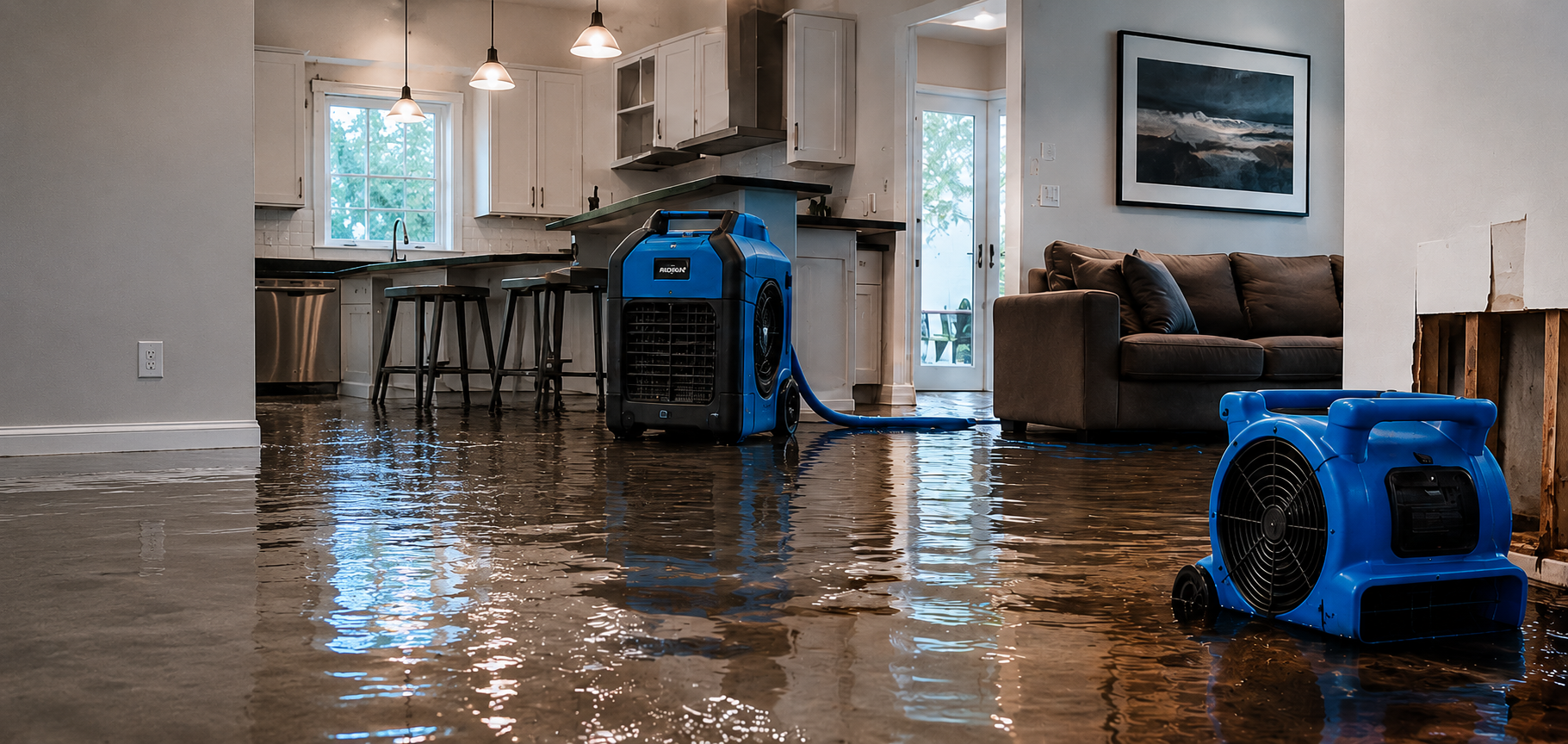
Water, quietly creeping into walls or rushing in during a storm, is one of the homeowner’s worst fears in Colorado Springs. When water damage strikes, it can undermine foundations, jeopardize structural integrity, and trigger mold growth. If you’ve ever walked into your home after heavy rainfall or a plumbing mishap and noticed staining, warping, or musty smells, you know how alarming it feels. In this blog, we’ll explore in depth the root causes behind water damage in local homes, how each cause influences restoration needs, and what you can do proactively. And yes, we’ll also dive into Water Damage Restoration In Colorado Springs and how our team can assist.
What are the main sources of water damage in Colorado Springs homes?
When people ask “What causes most water damage in Colorado Springs houses?”, they’re really asking: which vulnerabilities in local homes make them more susceptible. In Colorado Springs, a confluence of climate, topography, infrastructure, and home construction factors leads to common culprits. Below is a breakdown of those sources, each tied back to local conditions and examples.
Plumbing failures and burst pipes
One of the most frequent causes of residential water damage is plumbing failure: a burst pipe, pinhole leaks, faulty valves, or deteriorating plumbing lines. In Colorado Springs, the freeze-thaw cycle in winter can stress pipe materials, especially in uninsulated walls, crawl spaces, or attics. Pipes may crack, joints may loosen, or corrosion can worsen over time. Once water starts leaking inside walls or ceilings, it often remains hidden until considerable damage is done.
Older homes, especially those built decades ago, sometimes still use outdated plumbing materials (e.g. galvanized steel, older copper, or aging PEX), which are more prone to corrosion or scale buildup. Over time, internal mineral deposits from the region’s naturally harder water can reduce internal diameter or weaken pipe walls. If a main water line to a sink, washing machine, or bathroom fixture fails, water can flood floors, saturate drywall, and saturate insulation.
Roof leaks, ice dams & damaged shingles
Your roof is your first line of defense against nature. But in Colorado Springs, unique weather patterns challenge it. Rapid temperature swings, hailstorms, intense snow loads in winter, and risky UV exposure all combine to degrade roofing materials faster than in more temperate regions. When shingles crack, lift, or lose granules, water can seep beneath them. Flash storms or melting snow can push water under flashing or enter through compromised seams.
Ice dams are a specific local issue. When snow on a roof melts and re-freezes at eaves, it can block proper drainage and force water to back up under shingles or flashings. Over time, that water travels into soffits, attic spaces, or down interior walls.
Attic ventilation issues, missing underlayment, or poor flashing around chimneys, skylights, or roof penetrations (vents, plumbing vents) also often contribute. The water that enters may be subtle at first, causing slow deterioration of beams, sheathing, and roof decking before a more obvious leak appears.
Foundation cracks, faulty grading & poor drainage
Even though Colorado Springs is semi-arid, heavy rainstorms and flash floods frequently occur. The region’s soils may not absorb water fast during heavy downpours, so surface runoff becomes a major threat. If your home’s yard grading, drainage paths, and gutter funnel water toward the foundation, that water puts hydrostatic pressure on basement walls or slabs.
Foundation cracks, caused by settling, movement, or thermal stress, offer direct portals for water to infiltrate. Once water enters through footing cracks, control joints, or junctions (e.g. where a basement floor meets a wall), it travels along soil pores, foundation mortar, or through capillary action. Moisture may then appear on basement walls, floors, or in crawl spaces.
Poor gutter and downspout design worsen problems. Downspouts that dump water too close to the foundation, clogged gutters, or missing extensions let overflow water pool near the foundation, accelerating seepage.
Heavy storms, flash flooding & intense rainfall
Colorado Springs lies within the Fountain Creek watershed and is subject to rainfall surges, monsoon-driven storms, and rapid snowmelt. Intense, localized storms can drop large volumes of water over a short time. The ground’s low permeability during dry spells often means the soil can’t absorb the deluge fast enough, so water flows overland, downhill, and into basements or low areas of homes.
Flash flooding is a frequent threat. With steep inclines, narrow canyons, and abrupt storm paths, neighborhoods may experience sudden torrents that exceed storm drain capacity. Water may enter through basement windows, floor drains, garage doors, or even through utility penetrations made for cables or pipes.
In post–wildfire zones, the risk multiplies. Burned soil becomes hydrophobic, meaning it repels water. Rain that would normally soak into soil instead runs off quickly, carrying sediment, debris, and runoff toward homes and causing sudden, damaging flows.
Appliance leaks, water heater failure, and drain system issues
Modern homes have many appliances connected to water supply: washing machines, dishwashers, refrigerators with water lines, HVAC systems, and water softeners. A hose failure, clogged drain, or faulty valve can let water leak inside cabinetry, underneath floors, or behind walls.
Water heaters are especially vulnerable. In a region with hard water, mineral deposits accelerate corrosion and weaken the tank or connections. A leaking heater (especially in a basement or utility closet) can flood nearby areas before it’s discovered. Some units near end-of-life simply rupture.
Sump pumps or French drains intended to keep basements dry may also fail due to mechanical failure, power loss, or clogging. If they stop working during a heavy rain, backup water that would normally be discharged accumulates and floods.
Window and door leaks, siding & flashing failures
Homes built or renovated without proper attention to sealing details often suffer leaks at windows, doors, siding transitions, or flashings. In Colorado Springs, seasonal expansion and contraction due to temperature fluctuations test the integrity of these seals. Cracked caulking, poor flashing installation, or degraded weather-stripping allow water to seep into wall cavities, triggering mold, rot, and interior damage.
Additionally, corner seams, sheathing edges, and overhang transitions are weak points. If siding isn’t properly flashed or if the house wrap is damaged, driving rain can push water behind siding layers.
Why does Colorado Springs face unique water damage challenges?
To understand why these causes are especially prevalent here, we need to look at local geography, climate, and human factors.
Rapid weather shifts and storm intensity
Colorado Springs’ climate is known for sudden transitions. One moment you have clear skies, and minutes later a thunderstorm unleashes torrential rain. That unpredictability limits how much warning a homeowner has. The region’s summer monsoons and spring deluges frequently produce downpours that saturate ground and overwhelm drainage systems.
High elevation, snow and thaw cycles
At over 6,000 feet elevation, snow accumulates heavily during winter. In spring, the melt can happen unevenly, stressing roofs, foundations, and drainage. Freeze-thaw cycles also expand and contract materials, exacerbating small cracks in roofing, foundations, or masonry.
Soil and topography issues
The soil in many Colorado Springs neighborhoods is compacted or clay-based, which reduces infiltration rates. During heavy rainfall, instead of absorbing water, soils act like a hard surface. The city lies in the Fountain Creek watershed, and stormwater from upstream areas drains rapidly downhill, which can funnel water toward neighborhoods. flycos.coloradosprings.gov
Moreover, the urban spread and impervious surfaces (roads, parking lots, rooftops) amplify runoff and reduce natural buffering. Many local homes are built on slopes or near watercourses, increasing flood exposure.
Aging infrastructure and home stock
Some of Colorado Springs’ neighborhoods are decades old, with older building standards, aging plumbing, older roofs, and less advanced waterproofing. As materials degrade, their tolerance to stress and leaks diminishes.
Also, post-wildfire landscapes pose higher flood risk. The Waldo Canyon Fire and other fire events have left burn-scar zones nearby. After fire, soil loses its ability to absorb water, so subsequent storms lead to high runoff, erosion, and sediment flows that funnel toward homes. Wikipedia
Maintenance challenges and oversight
Because water damage is often gradual, homeowners may not notice small leaks or minor seepage until they accumulate into costly problems. Deferred maintenance—like clogged gutters, delayed roof inspections, failing sump pumps—magnifies vulnerability. Seasonal stressors (heavy snow, UV exposure, hail) further degrade protective systems.
How do these causes translate into real damage inside your home?
It’s one thing to list causes; it’s another to see how they unfold in your living space.
Hidden intrusion & progressive decay
Water often starts where you can’t see it: inside walls, above ceiling drywall, under flooring. A leaking pipe behind a wall may seep into insulation and wall cavities. Over time, that moisture lowers drywall strength, warps wood studs, and encourages mold colonization. The visible stain or bulge is often only the tip of the iceberg.
Structural weakening
Wood framing, joists, subflooring, and roof decking can lose rigidity when saturated. Moisture softens wood fibers, fosters wood-rot fungi, or leads to delamination in engineered wood products. Over time, sagging floors, bowing walls, or drywall cracks may appear.
Mold, mildew & microbial growth
One of the most feared side effects: mold growth. Within 24 to 48 hours of moisture exposure, many mold species begin colonizing available surfaces. This leads to musty odors, air quality problems, and allergic or respiratory issues for inhabitants. When mold grows behind walls, it becomes difficult to detect until later stages.
Damage to finishes and belongings
Carpets, padding, hardwood floors, baseboards, trims, and finishes suffer staining, warping, or buckling when saturated. Even furniture, clothing, and valuables can be ruined. Electronic appliances are at risk if exposed to water or high humidity.
Electrical problems & safety hazards
Water intrusion near outlets, wiring, or appliances can short circuits, pose fire hazards, or cause electrical malfunctions. Any structure with water contact near switching panels or junction boxes demands professional inspection before reconnecting power.
Insurance claims, remediation costs & downtime
Beyond material damage, extensive water damage disrupts your lifestyle. You may need to relocate, dry out, disinfect, and replace materials. Insurance claims become complicated when damage is hidden or delayed. Repair costs escalate the longer water damage remains unaddressed.
What warning signs point to underlying water damage?
Detecting trouble early is critical to minimizing repair scope. Below are subtle clues often ignored.
Musty or moldy odors
A persistent damp, earthy smell, especially in crawl spaces, basements, or unused rooms, often signals hidden moisture or mold. Even when you can’t see water, your nose might detect it first.
Stains, discoloration & visible water marks
Brown or yellow stains on ceilings, walls, or baseboards may indicate prior leaks. Dark patches in drywall or peeling paint often suggest moisture infiltration.
Warping or buckling
Floorboards that rise or edge boards that swell are signs moisture has soaked below. Similarly, drywall that softens or bends around installations (e.g., near windows or doors) may hide leaks.
Efflorescence or salt deposits
On concrete or masonry surfaces, white powdery deposits (efflorescence) mean water migrated through and left mineral salts behind.
Increased humidity, condensation
Windows that drip, interior surface condensation, or unexpectedly high indoor humidity point to moisture intrusion. A hygrometer or moisture meter might detect higher-than-normal moisture levels in walls, floors, or basements.
Unexpected spikes in water bills
A sudden increase in usage without obvious cause (no extra guests or irrigation) may hint at leaks. It’s especially suspect if otherwise your consumption remains stable.
Persistent plumbing noise or dripping
Dripping sounds, water hammer, or faint plumbing noises even when mains are off suggest minor leaks or pressure irregularities.
Mold spots or mildew patches
If you see black, green, or gray spots emerging on walls, in closets, under sinks, or near windows, you may already have unaddressed water intrusion.
What steps should homeowners take when water damage starts?
Once you detect signs of water intrusion, prompt action is essential. The steps below help contain damage and prepare for restoration.
Shut off the source & isolate affected areas
If a burst pipe or appliance leak is the culprit, immediately turn off the water supply at the main valve. For internal leaks, shut valves to specific fixtures. Contain access to affected rooms to prevent spread of water.
Document everything
Take photos and videos of damaged areas (before cleanup). Document water lines, color changes, materials impacted. This helps with insurance claims and gives the restoration team more context.
Remove standing water & dry surfaces
Extract standing water using pumps, wet/dry vacuums, or by siphoning. Use fans, dehumidifiers, and open windows if safe. Dry wood, drywall, and insulation as fast as possible. Use moisture meters to monitor drying progress.
Monitor humidity & moisture levels
Maintain indoor relative humidity under 50% during restoration. Use thermohygrometers or digital moisture meters to monitor dry-down. Continue drying until materials are at or near equilibrium moisture content.
Clean, disinfect, and deodorize
Once surfaces are dried, clean and disinfect contact surfaces, foundation walls, baseplates, and floors. Use antimicrobial agents to inhibit mold. Remove damaged materials (e.g. insulation or drywall) if irreparably soaked. Use odor-neutralizing treatments for lingering smells.
Repair or replace structural elements
Once safe, rebuild or replace damaged framing, drywall, floor coverings, trim, and finishes. Ensure that any necessary corrective work is included: improving drainage, sealing cracks, upgrading plumbing, or reinforcing waterproofing.
Final inspection & quality assurance
Verify dryness, inspect for residual staining or mold, and test systems like sump pumps, dewatering systems, and drainage to ensure all repairs function. This step ensures that the home is safe, restored, and future-resilient.
How much does water damage restoration cost locally?
Costs vary widely depending on scale, materials, urgency, and hidden damage. Still, in Colorado Springs, many homeowners see restoration costs ranging from $1,200 to $10,000+ for moderate damage, while severe structural remediation may exceed $25,000. Key cost drivers include:
- The volume of water and square footage impacted
- Whether mold remediation is required
- Extent of structural or finish damage
- Complexity of drywall, flooring, and trim replacement
- Accessibility (crawl spaces, tight rooms)
- Permitting or compliance costs
- Time urgency (emergency response often costs more)
- Costs of secondary damage if allowed to spread
A table below helps compare rough cost tiers:
| Severity Category | Typical Restoration Work | Estimated Cost Range* |
| Localized leak (one room) | Extraction, drying, drywall repair | $1,000 – $3,000 |
| Basement or crawl space flood | Pump-out, structural drying, partial rebuild | $5,000 – $12,000 |
| Whole-house or severe damage | Full structural repair, mold, reconstruction | $15,000 – $30,000+ |
* These estimates are illustrative. Get professional assessments for accurate pricing.
Insurance often covers “sudden & accidental” water damage, but excludes gradual damage or neglect. Always check your homeowners’ policy limits and conditions.
What preventative measures can Colorado Springs homeowners take?
Preventing water damage is far more economical than restoring it. Here’s what you should proactively do:
Annually inspect plumbing & fixtures
Check visible pipes, valves, hose lines, and appliances for signs of wear, corrosion, or leaks. Replace hoses older than 5 years. Ensure shut-off valves are functional.
Maintain roof, gutters & flashing
Have your roof inspected each spring for damaged shingles, flashing, or signs of degradation. Clean gutters and downspouts; install extensions to direct water away from the foundation.
Grade your yard & manage drainage
Ensure land slopes away from your home. Use French drains, swales, or surface grading. Redirect downspouts at least 5–10 feet from foundation edges.
Install or maintain a dependable sump pump
In flood-prone or basement homes, install a sump pump with backup power or battery. Regularly test it and ensure discharge piping leads away from your house.
Seal windows, doors & exterior penetrations
Recaulk windows, doors, trim annually. Inspect siding, flashing, and house wrap. Replace failing weather stripping or seals. Pay special attention to garage doors, basement windows, and utility penetrations.
Manage snow, ice & landscaping
After heavy snowfall, clear roof edges and check for ice dams. Trim trees whose limbs may damage roofs during storms. Avoid planting large trees too close to structures, as roots can shift foundations.
Use moisture sensors & alarms
Install leak detection sensors near water heaters, under sinks, near appliances, or near sump pumps. Some smart systems alert you via phone.
Routine inspections & maintenance
Schedule periodic professional inspections, especially before spring thaw or monsoon season. Inspect crawl spaces, basements, and exterior walls for signs of moisture.
When to call professionals for Water Damage Restoration In Colorado Springs
You may ask, “When is DIY not enough?” If water damage affects structural elements, covers multiple rooms, involves contaminated water, or shows signs of mold, it’s time for professional intervention. Here’s when a restoration company is essential:
- You see structural damage, sagging ceilings, bowing walls
- Moisture has penetrated multiple rooms or deep into framing
- You detect mold, mildew, or strong musty odors
- The water is classified as Category 2 (gray water) or 3 (black water)
- Hazardous conditions exist (electrical, gas, or contaminated water)
- Insurance mandates an IICRC-certified contractor
- You want moisture mapping, thermal imaging, or industrial drying
Restoration professionals bring specialized equipment, training, and protocols for safe, effective remediation. They mitigate secondary damage, prevent mold, and restore your home properly.
How to choose the right water damage restoration company locally
Choosing the wrong company can worsen problems or void coverage. Here’s what to prioritize:
Credentials & certifications
Look for IICRC (Institute of Inspection, Cleaning and Restoration Certification) or similar industry qualification. That ensures the contractor follows recognized best practices. Also check for state licenses, bonding, and insurance.
Local experience & reputation
Select companies with experience in Colorado Springs water damage restoration, familiarity with local climate, codes, and common damage types. Check reviews, references, and case studies in your area.
Rapid 24/7 emergency response
Time matters. Choose companies that respond quickly to emergencies, ideally within hours.
Transparent process & detailed estimates
A trustworthy company will perform a thorough inspection, explain the scope of work, offer a transparent quote, and keep you informed through every step.
Advanced equipment & technology
Drying fans, dehumidifiers, moisture meters, thermal imaging, and powerful extraction pumps are essential. Ask what equipment they use—and whether they have containment protocols for mold or contamination.
Insurance liaison support
Restoration firms should help you document damage, coordinate with adjusters, and provide detailed reports to support claims.
Follow-through & warranty
Ensure they commit to quality assurance, final inspections, and warranty on repairs and drying work.
Frequently Asked Questions (FAQs)
Q1: What is the most common cause of water damage in Colorado Springs homes?
Plumbing failures—especially burst pipes due to freeze-thaw cycles and aging water lines—rank among the most frequent causes. However, roof leaks, drainage failures, and storm runoff also contribute heavily in this region.
Q2: Can water damage lead to mold if untreated?
Yes. Mold can begin to develop within 24–48 hours after water exposure. Left unchecked, it spreads behind walls and poses health risks and structural damage.
Q3: Does homeowners insurance cover all water damage?
Not always. Most policies cover sudden and accidental leaks or storm damage, but exclude slow leaks or neglect. Always review your coverage and consult your insurer early.
Q4: How long does it take to fully restore after major water damage?
It depends on scale. Simple cleanup and drying may take a few days; structural repairs, mold remediation, and finishing work can extend the process to several weeks.
Q5: How can I tell if water damage is hidden behind walls?
Look for musty odors, surface discoloration, warping, internal moisture readings, or use thermal cameras/moisture meters. A professional inspection often reveals hidden damage.
Conclusion
Understanding what causes most water damage in Colorado Springs houses empowers homeowners to act early, reduce damage, and choose the right partners to protect their investment. From plumbing failures and roof leaks to foundation cracks and flash flooding, the threats are real but not insurmountable. If you ever face water intrusion or structural dampness, prompt, professional intervention is essential. At ABC Restoration USA, we specialize in Water Damage Restoration In Colorado Springs, offering emergency response, detailed assessments, and full mitigation services to restore your home and peace of mind. If you need help, don’t hesitate to Contact us, we’re ready to deploy our expertise and bring your property back to its safe, dry state.