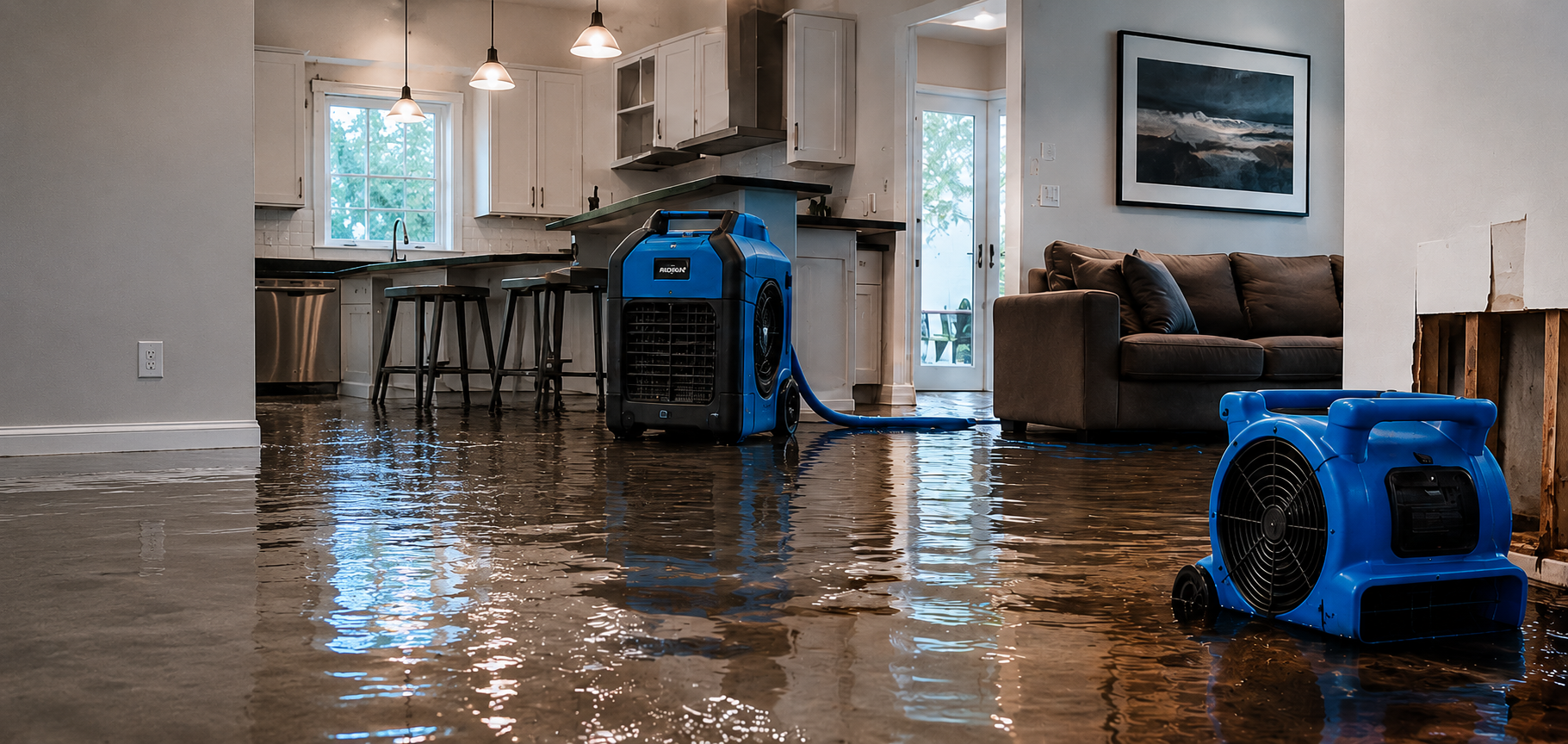
Water damage can start small, often unnoticed, and then escalate into a serious threat to your property. A minor leak behind a wall or a damp basement corner may not seem urgent, yet these issues can quickly evolve into structural damage or health hazards. Homeowners frequently struggle to determine when DIY solutions are enough and when professional water damage repair Colorado springs services become necessary. Knowing the warning signs can help you act before damage becomes irreversible.
Colorado Springs homes face unique water-related challenges due to seasonal weather changes, aging plumbing systems, and occasional flash flooding. Understanding how to identify severe water damage allows homeowners to protect their investment, maintain indoor safety, and avoid costly repairs down the line.
How Do You Know If Water Damage Is Serious Enough for Professional Repair?
Water damage severity is not always obvious at first glance. Many issues develop beneath surfaces, making professional evaluation essential.
When water exposure lasts longer than 24 hours, or moisture reaches structural materials like drywall, insulation, or subflooring, the risk becomes significant. Persistent dampness often leads to mold growth and material deterioration. These water damage severity indicators signal that professional restoration is required to prevent long-term consequences.
If water damage involves contaminated water, electrical systems, or large affected areas, immediate professional repair is necessary to ensure safety and proper remediation.
Understanding Water Damage Repair Colorado Springs Homeowners Face
Water damage repair Colorado Springs services address more than visible water stains or puddles. Local professionals understand regional building materials, soil conditions, and climate-related risks that influence restoration strategies.
Colorado Springs homes often experience basement seepage, frozen pipe bursts, and roof leaks caused by snow accumulation. These issues can compromise foundations and framing if left untreated. Professional restoration teams are trained to identify hidden moisture and apply solutions tailored to local conditions.
Timely intervention helps prevent minor issues from escalating into severe structural damage.
Common Signs of Serious Water Damage in Homes
Recognizing early warning signs allows homeowners to act before damage worsens. Many signs are subtle and develop gradually.
Visible Structural Changes
Warped floors, sagging ceilings, and cracked drywall indicate prolonged moisture exposure. These changes often suggest water has penetrated structural components.
Discoloration or bubbling paint also signals trapped moisture behind walls.
Persistent Odors and Humidity
A musty smell is a strong indicator of hidden moisture or mold growth. Increased indoor humidity that persists despite ventilation may point to water trapped within building materials.
These signs of serious water damage should never be ignored.
Hidden Water Damage and Why It Is Dangerous
Hidden water damage poses one of the greatest risks to homeowners. Moisture concealed behind walls or under flooring can weaken structural integrity over time.
Undetected leaks allow mold spores to thrive in dark, damp environments. Mold growth can affect indoor air quality and trigger respiratory issues. Hidden moisture can also corrode electrical wiring, increasing fire hazards.
Professional moisture detection tools are essential for identifying these concealed problems before they cause extensive damage.
Water Damage Severity Indicators Professionals Look For
Restoration experts evaluate several factors when determining damage severity. These indicators help guide the repair process.
Duration of Water Exposure
The longer materials remain wet, the more damage occurs. Materials exposed for more than 48 hours often require replacement rather than drying.
Type of Water Involved
Clean water from supply lines poses less risk initially, while gray and black water contain contaminants that require specialized handling.
Understanding these factors ensures safe and effective restoration.
When DIY Repairs Are Not Enough
While small spills or surface-level leaks may be manageable, severe water damage requires professional intervention.
DIY methods cannot adequately remove moisture trapped within walls or subfloors. Household fans and dehumidifiers lack the power needed for deep structural drying. Inadequate drying increases the likelihood of mold growth and recurring damage.
Professional restoration ensures moisture is fully eliminated and materials are restored safely.
Colorado Springs Home Water Issues That Increase Risk
Local environmental factors play a significant role in water damage severity. Colorado Springs homeowners face challenges that increase the likelihood of serious water damage.
Rapid snowmelt can overwhelm drainage systems, leading to basement flooding. Expansive clay soil common in the area can shift when saturated, stressing foundations. Aging plumbing systems in older homes may also fail unexpectedly.
These Colorado Springs home water issues make professional assessment especially important after water exposure.
The Role of Professional Inspection and Assessment
Professional inspection is the foundation of effective water damage repair. Experts use advanced tools to evaluate the full extent of damage.
Moisture meters, infrared cameras, and hygrometers help identify affected areas invisible to the naked eye. This thorough assessment ensures no moisture is overlooked.
Accurate diagnosis prevents future problems and ensures the restoration plan addresses all affected materials.
Health Risks Associated With Severe Water Damage
Severe water damage can pose serious health risks if not properly addressed. Mold and bacteria thrive in damp environments.
Exposure to mold spores may cause allergies, respiratory problems, and skin irritation. Contaminated water sources can introduce harmful pathogens into living spaces.
Professional restoration includes sanitation and antimicrobial treatments to protect occupant health.
Structural Damage Caused by Prolonged Water Exposure
Water weakens building materials over time. Wood framing can rot, metal components may corrode, and concrete can crack due to moisture intrusion.
Structural damage compromises the safety and stability of a home. Floors may lose load-bearing capacity, and walls may become unstable.
Professional repair restores structural integrity and prevents further deterioration.
How Professionals Decide When Replacement Is Necessary
Not all materials can be salvaged after severe water damage. Professionals evaluate whether drying or replacement is the safest option.
Materials like drywall and insulation often require replacement if saturated. Flooring materials may warp permanently if moisture penetrates deeply.
Replacing compromised materials ensures long-term safety and prevents recurring issues.
Insurance Considerations for Severe Water Damage
Understanding insurance coverage is an important part of the restoration process. Coverage depends on the source and extent of damage.
Professional documentation supports insurance claims by providing detailed assessments and moisture readings. This documentation helps homeowners navigate claims more efficiently.
Professional repair teams often assist with communication to ensure transparency throughout the process.
When Immediate Professional Help Is Critical
Certain situations require immediate professional intervention. These include sewage backups, electrical system exposure, and widespread flooding.
Delaying repairs in these cases increases safety risks and repair costs. Prompt action minimizes damage and accelerates recovery.
If you are unsure about the severity of water damage, seeking professional guidance early is always the safer choice. Connecting with experts through our contact us page allows homeowners to receive timely evaluation and support.
Long-Term Consequences of Ignoring Severe Water Damage
Ignoring water damage rarely leads to resolution. Instead, problems compound over time.
Mold spreads, structural materials degrade, and repair costs increase significantly. What begins as a minor issue can evolve into a major renovation project.
Professional repair addresses the root cause and prevents future damage.
Frequently Asked Questions About Severe Water Damage
How long does it take for water damage to become severe?
Water damage can become severe within 24 to 48 hours, especially if moisture reaches structural materials.
Can water damage affect a home’s foundation?
Yes, prolonged moisture exposure can weaken foundations and cause shifting or cracking.
Is mold always present with severe water damage?
Mold often develops when moisture is not properly removed, but early professional intervention can prevent growth.
Should I leave my home during water damage repairs?
In severe cases involving contamination or structural instability, temporary relocation may be recommended.
How can professionals prevent future water damage?
Professionals identify the source of damage, repair vulnerabilities, and recommend preventative measures to reduce future risk.
Conclusion: Knowing When to Choose Professional Water Damage Repair in Colorado Springs
Understanding when water damage becomes severe is essential for protecting your home and health. From hidden moisture to structural instability, the risks of untreated water damage are significant. Recognizing warning signs and acting promptly can prevent costly repairs and long-term issues.
Professional water damage repair colorado springs services provide the expertise, equipment, and thorough assessment needed to restore safety and stability. When water damage exceeds surface-level issues, professional intervention is the most reliable solution.
ABC Restoration offers trusted, professional water damage repair services designed to address severe damage efficiently and protect Colorado Springs homes for the long term.