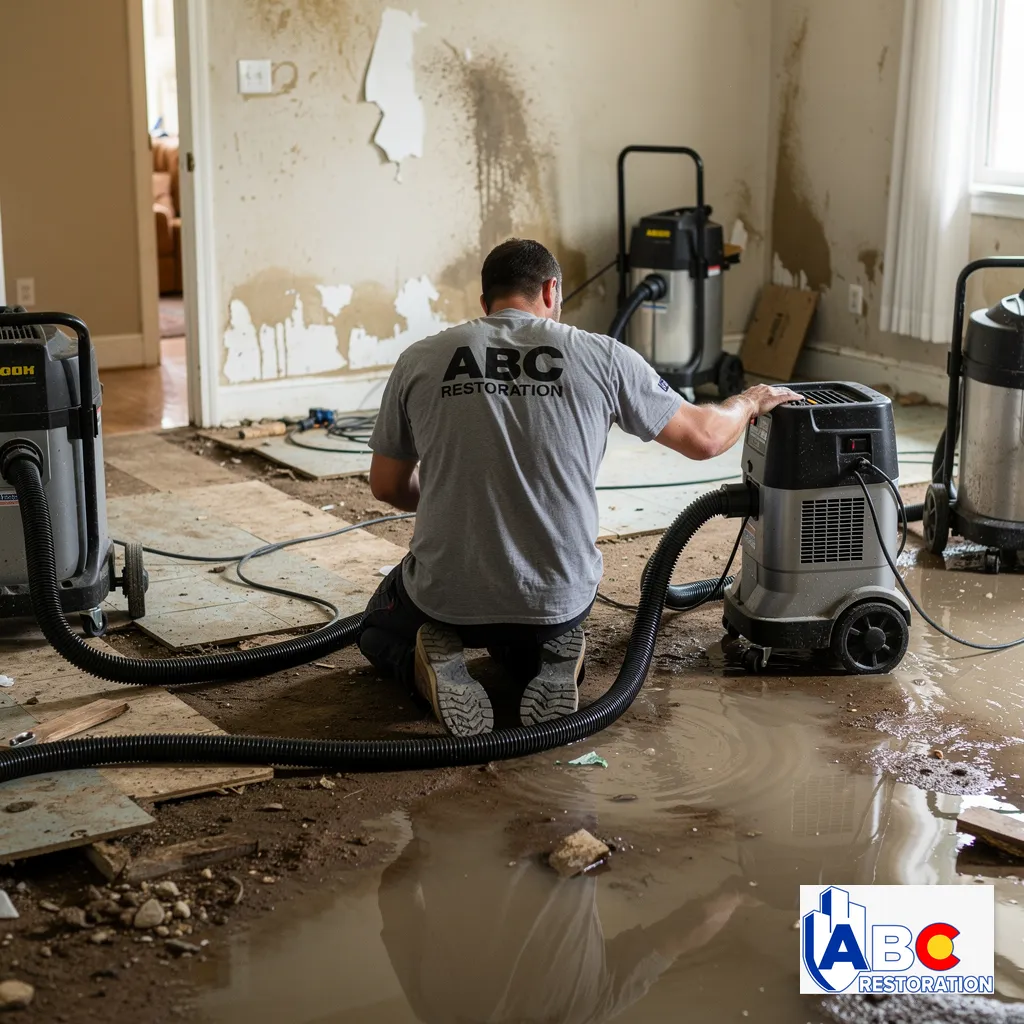
Colorado Springs homeowners know that high winds, hailstorms, heavy rain, and even sudden snowmelt can threaten the safety and integrity of their properties. Storm Damage Restoration Colorado Springs requires proactive measures well before the first cloud gathers on the horizon, because effective prevention reduces repair costs, limits insurance claims, and safeguards families. By understanding local weather patterns, employing strategic maintenance routines, and integrating durable materials, homeowners can significantly reduce the risk of structural and cosmetic damage. This guide offers a deep dive into every aspect of preventive care—covering foundational checks, roof defense, interior safeguards, professional partnerships, and community resources—to help Colorado Springs residents stay ahead of severe weather.
Proactive Strategies to Prevent Storm Damage in Colorado Springs
Storm Damage Restoration Colorado Springs experts often stress that true protection begins long before a storm warning. A comprehensive prevention plan addresses roof integrity, water diversion, landscape grading, and window resilience. First, inspecting roofs for missing or loose shingles after every winter or summer storm reveals early warning signs of wear. Next, confirming that gutters and downspouts remain clear of debris ensures water channels away from foundations. Regularly sealing cracks around windows, doors, and siding defends against wind-driven rain. Finally, pruning overhanging branches and securing outdoor furniture transforms potential projectiles into harmless debris.
These core tasks work in concert to fortify homes against hail impacts, high winds, and flash flooding. While small leaks and damaged shingles may not capture attention immediately, they compound under each successive storm cycle, inviting water damage, mold growth, and compromised insulation. Proactive maintenance, tailored to Colorado Springs’s unique climate swings—with snow, sleet, and sudden thunderstorms—becomes the homeowner’s most powerful ally. By combining seasonal checklists with durable upgrades, properties stand stronger when severe weather rolls through Pikes Peak country.
What are the essential steps for Storm Damage Restoration Colorado Springs?
Thorough storm damage restoration in Colorado Springs begins with methodical inspections, swift debris removal, and targeted repairs. Prioritizing safety, homeowners should always wear protective gear, work in pairs, and secure ladders on stable ground when entering attics or climbing onto roofs. From there, restoration splits into four pillars of defense and repair:
Roof Inspections and Maintenance
Colorado Springs’s hailstones and gusty winds demand rigorous roof checks. Each spring and fall, professionals recommend examining:
- Shingle condition: Look for cracks, curling edges, and granule loss.
- Flashing seals: Ensure metal seams around chimneys, vents, and skylights sit flush and watertight.
- Underlayment integrity: Verify that protective underlayers remain intact beneath shingles to prevent water infiltration.
Gutter and Drainage System Upkeep
Water buildup against foundations triggers basement leaks and soil erosion. Homeowners should:
- Clean gutters at least biannually, in spring and after autumn leaf fall.
- Confirm that downspouts extend at least six feet from foundations to channel runoff outward.
- Consider installing gutter guards or screens to minimize clogging by pine needles and debris.
Window and Door Reinforcements
High winds slam into vulnerabilities around openings. Effective strategies include:
- Upgrading to impact-resistant windows featuring laminated glass or reinforced frames.
- Applying fresh weatherstripping and high-quality caulk around door and window perimeters.
- Installing operable storm shutters or reusable panel systems for rapid deployment.
Landscaping and Exterior Precautions
Proper grading, tree maintenance, and protective barriers divert water and debris:
- Grade soil to slope away from foundations at a minimum 5% pitch within the first ten feet.
- Trim trees so no limbs hang within two feet of the roofline or siding.
- Reinforce retaining walls, stone pathways, and exterior hardscapes to resist washouts.
Preventive Measure Comparison
| Measure | Description | Recommended Frequency |
| Roof Inspection | Check shingles, flashing, underlayment | Biannually |
| Gutter Cleaning | Remove leaves, debris, inspect downspouts | Spring & Fall |
| Window/Door Seal Maintenance | Reapply caulk, inspect weatherstripping | Annually |
| Landscape Grading | Verify soil slope, reinforce hardscapes | Every 2–3 Years |
| Tree and Branch Trimming | Remove overhanging limbs, clear debris potential | Annually |
How to ensure roof protection from storms in Colorado Springs?
A durable roof stands at the frontline of home defense. To optimize roof protection from storms Colorado Springs homeowners should consider investing in Class 4 impact-resistant shingles that exceed insurance standards for hail damage. These shingles, tested under UL 2218, scatter hailstone impacts without cracking or losing granules. Underlayment options like synthetic breathable barriers also wick away moisture while providing an extra wind-lift resistance layer. Ridge vents and soffit ventilation maintain airflow, reducing ice-dam formation in winter and overheating in summer. Proper nail patterns—using ring-shank or galvanized roofing nails—bolster wind uplift resistance. Beyond materials, scheduling professional roof maintenance inspections every six months ensures small issues never escalate into catastrophic failures under hail or high winds.
What interior precautions should Colorado Springs homeowners take against severe weather damage?
While exterior barriers shoulder the bulk of storm stress, interior safeguards reduce disruption and long-term damage. Sealing air leaks around outlets and light fixtures on exterior walls stops wind-driven water from sneaking into wall cavities, preventing mold. Installing sump pumps with battery backups and a water-level alarm in basements mitigates flooding during rapid snowmelt or pipe bursts. Elevating electrical panels and HVAC systems off concrete pads provides extra buffer against seepage. For windows, laminated or tempered glass significantly reduces shattering risk—minimizing safety hazards and interior contamination. Finally, homeowners should maintain an emergency kit stocked with flashlights, fresh water, nonperishable foods, first-aid supplies, and a NOAA weather radio to stay informed when severe weather approaches.
For residents seeking unparalleled expertise, ABC Restoration USA remains the region’s leading full-service provider, combining advanced equipment, IICRC-certified technicians, and rapid emergency response.
When should homeowners seek professional restoration services?
Even with meticulous prevention, some storm events exceed DIY repair capabilities. Homeowners should promptly call in professionals if they observe roof leaks larger than a quarter, water pooling inside walls or ceilings, visible structural bowing in fascia or soffits, or significant hail impacts that strip granules. Professionals utilize moisture meters, thermal imaging cameras, and industrial-grade dehumidifiers to detect hidden water damage and prevent secondary issues like mold. Around the clock availability ensures that mitigation begins within hours of the event—critical for minimizing repair costs and preserving home value.
If immediate assistance is needed, homeowners are encouraged to Contact us through the dedicated hotline, guaranteeing swift deployment of a certified response team.
Additional Preventative Equipment and Upgrades
Supplemental systems enhance resilience when power outages follow storms. Whole-home surge protectors guard electronics against lightning strikes and downed power lines. Whole-house generators automatically switch on within seconds of grid failures, maintaining heating, sump pump operation, and critical lighting. Installing a whole-house water filtration system downstream of a pressure tank preserves potable water quality after well or municipal supply disruptions. Integrating smart sensors—such as flood detectors in basements and humidity monitors in crawl spaces—alerts homeowners to developing issues before they cascade into full-scale emergencies.
Insurance Coordination and Documentation Best Practices
Proper documentation expedites insurance claims after storm events. Homeowners should photograph and video every damage detail—both close-ups of cracked shingles and wide-angle shots of exterior impact zones—immediately after storms. Keeping a digital inventory of valuables, including serial numbers and purchase receipts stored off-site or in cloud archives, simplifies contents claims. When meeting adjusters, providing organized damage reports and contractor estimates accelerates claim approval. Familiarity with policy language—especially coverage limits for wind, hail, and flood—prevents unpleasant surprises during settlement negotiations.
Community Resources and Local Regulations
Colorado Springs residents can tap into resources like the El Paso County Office of Emergency Management for free storm preparedness workshops and NOAA weather alert sign-ups. The City’s Stormwater Engineering Division offers guidance on best practices for gutter systems, silt fencing, and detention ponds to manage runoff. Nonprofits such as the Red Cross host community events demonstrating emergency shelter protocols and first-aid techniques. Staying connected to neighborhood associations and local social media groups helps coordinate bulk tree trimming or community clean-up days after major storms.
Seasonal Maintenance Calendar for Colorado Springs Climates
| Season | Key Tasks |
| Spring | Roof inspection, gutter cleaning, landscape grading checks |
| Summer | Storm shutter readiness, debris clearance, generator testing |
| Autumn | Gutter guard installation, window seal refresh, tree pruning |
| Winter | Ice-dam prevention, insulation audit, sump pump inspection |
By aligning preventive chores to the seasonal rhythm—spring thaw, summer hail risk, autumn leaf fall, and winter freeze—homeowners ensure no critical task falls through the cracks.
Conclusion
Preventing future storm damage requires an integrated approach: robust roofing materials, smart drainage systems, reinforced openings, and emergency power backups all play a vital role. Every Colorado Springs homeowner can reduce repair costs, limit insurance claims, and protect loved ones by following these expert guidelines. For comprehensive support—from rapid mitigation to full-scale rebuilds—trust ABC Restoration USA and its dedication to excellence in Storm Damage Restoration Colorado Springs.
Frequently Asked Questions
Q1: How do I file an insurance claim after storm damage in Colorado Springs?
Begin by reviewing your homeowner’s insurance policy to confirm coverage details for wind, hail, and water damage. Document every damage point with photos and videos, and compile repair estimates from licensed contractors. Contact your insurer promptly to file a claim, provide your documentation, and schedule an adjuster visit. Keeping detailed records of all communications, including dates and names, speeds up the approval process and reduces misunderstandings.
Q2: What are typical costs for storm damage restoration in Colorado Springs?
Restoration costs vary based on damage type, home size, and complexity of repairs. Minor roof shingle replacement might run between $500 and $2,000, while major hail or wind damage needing full roof replacement can range from $10,000 to $25,000. Water intrusion repairs—including drywall replacement, mold remediation, and insulation updates—often add $3,000 to $8,000 more. Always obtain multiple estimates and verify contractor credentials before proceeding.
Q3: How long does storm damage restoration usually take?
Small repairs such as gutter cleaning or shingle patching may conclude in a day or two. Moderate jobs—like replacing a roof section or repairing siding—often span one to two weeks to account for material delivery, drying times, and inspections. Full-scale restoration involving structural rebuilds, interior drywall, and content pack-outs can extend over a month. Scheduling work promptly and coordinating inspections ahead of time keeps projects on track.
Q4: Can I prevent hail damage to my roof entirely?
Complete immunity to hail damage is unlikely; however, Class 4 impact-resistant shingles and synthetic underlayments significantly reduce shingle fracture and granule loss. Installing hail guards on skylights and reinforcing soffits also helps. Regular maintenance—removing debris that can conceal hail punctures—and securing loose roof components enhances resistance. Contracting periodic professional inspections identifies vulnerabilities before hailstorms strike.
Q5: What emergency steps should I take immediately after a storm hits?
First, ensure personal safety—avoid downed power lines and unstable structures. Photograph all visible damage for insurance and contractor planning. If safe, remove small debris from gutters and downspouts to allow drainage. Place tarps over roof leaks with sandbags to limit water infiltration. Call certified restoration professionals to commence drying, stabilize compromised areas, and prevent secondary issues like mold growth.