When mold appears in your home, your first reaction is often confusion mixed with urgency. You wonder how fast it’s spreading, whether it’s dangerous, and how soon you should reach out for help. The truth is, mold moves faster than most homeowners realize, especially in environments with moisture fluctuations like Manitou Springs. You should act quickly when dealing with mold remediation Manitou Springs because waiting too long can lead to expensive repairs, health concerns, and deeper contamination you cannot see on the surface. Understanding how fast mold grows and what signs require immediate action helps you stay in control and protect your home before the problem escalates.
How fast does mold grow once moisture is present?
Mold growth begins within 24 to 48 hours of moisture exposure. This quick timeline surprises many homeowners, but mold thrives on conditions that are common in Colorado homes. Moisture from a plumbing leak, condensation in bathrooms, damp basements, or even lingering humidity after heavy storms can give mold exactly what it needs. Once started, mold spores spread across surfaces, into porous materials, and through the air. If left unchecked, mold expands behind walls, into insulation, under flooring, and even into HVAC systems. Because Manitou Springs experiences rapid temperature shifts and elevation-driven humidity variations, indoor moisture can accumulate faster than expected. That’s why early detection is vital. By the time you notice visible mold, it often indicates deeper unseen growth. Calling a professional early prevents mold from advancing into structural components and reduces cleanup costs.
When should you call for mold remediation Manitou Springs?
You should call immediately when you suspect mold. Mold worsens with time, and delaying the call often results in more complex and costly remediation. Mold remediation Manitou Springs becomes essential whenever you experience leaks, flooding, persistent humidity, or musty odors. Even if you are unsure whether mold is present, a professional assessment can determine the severity. In regions like Manitou Springs, outdoor humidity combined with older home structures allows mold to grow in unexpected places. If your home experiences a water intrusion event, you should contact a specialist the same day. Professionals know how fast mold spreads and use tools like moisture meters and thermal cameras to find hidden growth. Acting early also helps limit health risks for people sensitive to mold spores, such as children, seniors, or those with allergies.
What are the signs that require immediate mold remediation?
Recognizing the early signs of mold is critical. Musty odors, new discoloration on walls or ceilings, persistent moisture, or allergy-like symptoms are all warnings. If mold appears black, green, white, or yellow, or if it has a fuzzy or slimy texture, immediate action is required. Mold often hides behind walls, beneath carpets, and inside HVAC ducts, spreading silently. Water damage is one of the biggest risk factors. If you recently had a burst pipe, storm damage, roof leak, or overflow from appliances, mold could be growing within hours. Rapid mold growth can lead to structural weakening of drywall, wood framing, and insulation. Additionally, mold can compromise indoor air quality by releasing spores into the air. From a health standpoint, mold exposure can cause coughing, sneezing, fatigue, headaches, and irritation. If your symptoms worsen while at home and improve when away, mold is often the culprit. These signs mean it’s time to bring in a mold remediation expert immediately.
Does the cost of Manitou Springs mold removal increase if you wait?
Yes, delaying mold removal leads to higher costs later. The early stages of mold infestation typically require minimal removal and cleaning. But as mold spreads, it infiltrates deeper materials like wood, carpet, insulation, and drywall. Removing and replacing these materials increases labor and material costs. Manitou Springs mold removal cost tends to rise significantly when homeowners wait too long to address the issue. Waiting also increases the likelihood of needing specialized remediation procedures, more intensive containment, and longer drying times. Mold can compromise support structures, requiring additional reconstruction. Professional remediation experts always recommend early intervention because it protects your home and keeps cost at a manageable level. Homeowners sometimes attempt DIY cleaning to avoid costs, but this often spreads spores or pushes mold deeper into surfaces. In the long run, prompt professional help reduces expenses and prevents future mold return.
What situations require emergency mold remediation CO?
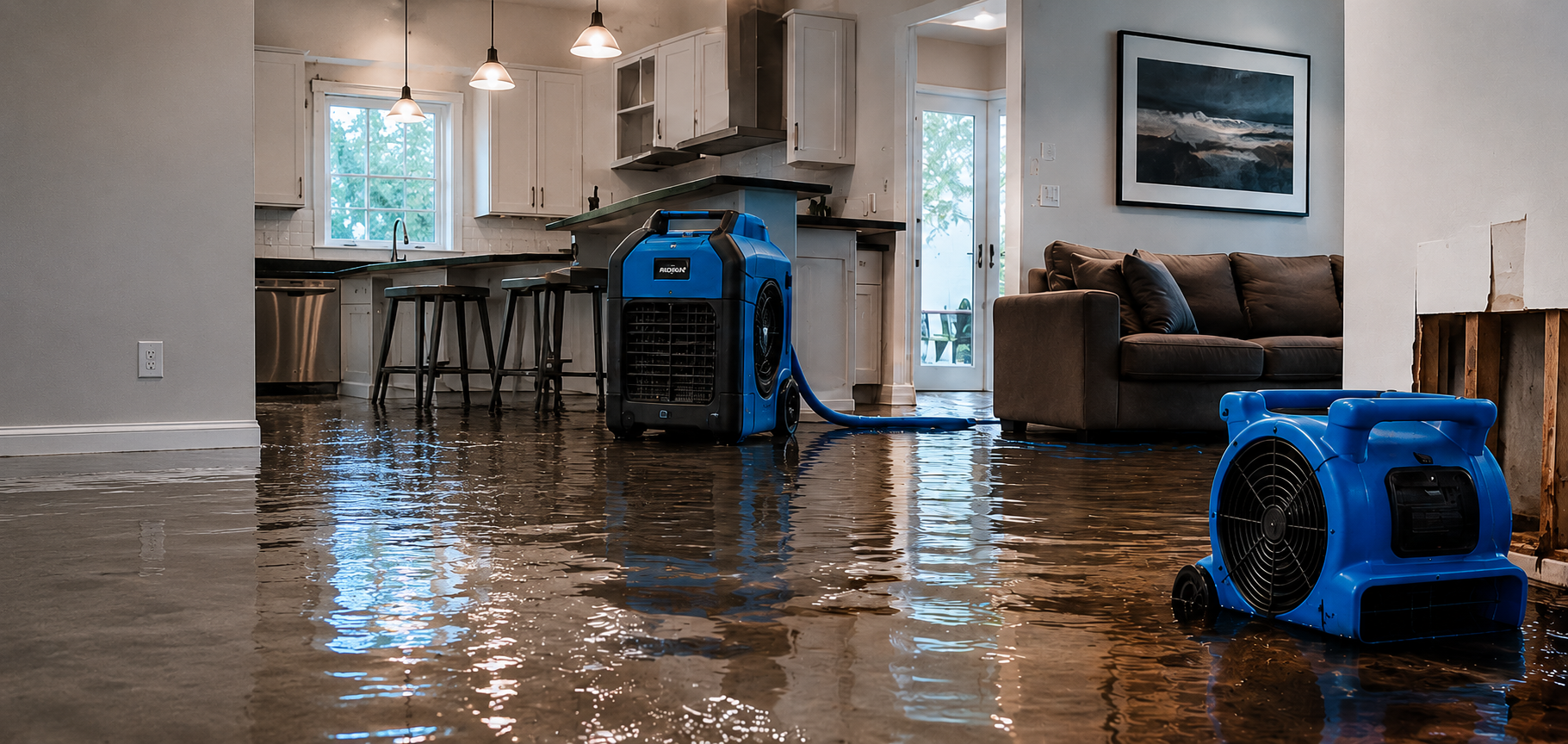
Some situations demand immediate emergency mold remediation CO services. If your home experiences sudden flooding, sewage backup, storm water intrusion, or major plumbing failures, you should call a professional right away. These events allow large amounts of water to enter the property, creating prime conditions for mold within hours. Emergencies also include mold in sensitive environments such as homes with infants, elderly residents, or people with respiratory health conditions. Another emergency scenario occurs when mold appears near electrical wiring, appliances, or HVAC systems, where moisture can pose safety risks. Mold contamination in multi-unit buildings or commercial properties also requires urgent attention due to safety regulations and potential liability. Professionals trained in emergency response can contain the affected area quickly, preventing mold from spreading and protecting occupants.
What factors influence the speed of mold growth in Manitou Springs?
The local climate plays a major role in mold spread. Manitou Springs experiences weather swings that cause interior condensation. High elevation means thinner air, which affects humidity retention inside homes. Seasonal storms and snowmelt can also lead to unexpected moisture levels. Older homes with aging insulation or ventilation issues are especially vulnerable. Homes near natural landscapes such as creeks, slopes, or forested areas are more prone to moisture buildup. Outdoor mold can also enter through open windows or ventilation systems. These conditions combine to create an environment where mold grows quickly. Understanding these local factors helps homeowners stay proactive in preventing moisture buildup.
What should you do while waiting for a mold remediation appointment?
While waiting for professionals, limit airflow in the affected area to avoid sending spores throughout the home. Turn off HVAC systems if the mold is near vents. Avoid touching the mold or attempting to clean it with household cleaners, as this can worsen the situation. Move children, pets, and sensitive individuals to unaffected areas. If safe, open windows slightly near the affected area to allow light and reduce humidity. You can also remove items around the mold area without disturbing the growth, which gives technicians easier access. Avoid running humidifiers, dryers, or anything that increases moisture. If the source of moisture is known, such as a pipe leak, shut off the water supply until help arrives. If you need assistance scheduling or preparing for remediation, you can reach us directly through our contact page.
What happens during a professional mold remediation visit?
A professional visit includes several key steps. The technician starts with an inspection using moisture detection tools and visual assessments. They identify the cause of moisture and determine the extent of mold growth. Containment barriers are then placed to prevent cross-contamination. Professionals use HEPA air scrubbers to remove airborne spores. Moldy materials like drywall, carpet, or insulation may need removal depending on how deeply contaminated they are. Non-porous surfaces are cleaned with antimicrobial solutions. After removal, the area is dried thoroughly using industrial dehumidifiers. Post-remediation testing ensures that the mold has been completely eliminated.
Table: Mold Severity Levels and When to Call a Professional
| Mold Severity | Signs | Recommended Action |
| Minor | Small isolated spot, under 10 sq. ft. | Call if unsure or if moisture remains |
| Moderate | Multiple spots, musty odors | Call immediately for inspection |
| Severe | Structural damage, spreading colonies | Emergency remediation required |
| Hidden | Mold behind walls or floors | Professional assessment needed |
Can you prevent mold growth while living in Manitou Springs?
Yes, prevention is possible with consistent moisture control. Use exhaust fans in bathrooms and kitchens. Keep indoor humidity below 50 percent. Regularly inspect basements, attics, and crawlspaces for moisture. Repair leaks quickly. Clean gutters to prevent water pooling near the foundation. Use dehumidifiers during wet seasons. Improve ventilation in closed rooms. Seal windows and doors properly. Monitor HVAC filters. Prevention reduces the risk of major mold problems, but even with good habits, unpredictable conditions can introduce moisture.
How do professionals determine whether mold is dangerous?
Professionals assess mold types, growth patterns, and spore levels. While all mold requires removal, some types produce more allergens or irritants. Technicians identify mold to determine proper safety measures. They may take air or surface samples. Toxic molds, heavily contaminated materials, or mold covering large areas require more advanced safety gear and containment procedures. Homeowners should not attempt testing themselves because disturbing mold without experience can cause widespread contamination.
How does delaying mold remediation affect indoor air quality?
Delaying mold remediation allows spores to multiply. These spores circulate through HVAC systems and settle on surfaces throughout the home. Poor air quality affects breathing, especially for people with asthma or allergies. Long-term exposure increases risks of respiratory irritation. Indoor air quality declines the longer mold persists, making prompt remediation crucial. Mold odor also becomes more intense, making living conditions uncomfortable. Addressing the issue early preserves indoor comfort and safety.
FAQs
How soon should you call a mold specialist after spotting mold?
You should call a specialist immediately because mold begins growing within 24 to 48 hours and spreads quickly, making early intervention essential.
Can mold go away on its own?
No. Mold will not disappear without proper removal and moisture control. It grows continuously as long as moisture is present.
How does moisture contribute to mold in Manitou Springs?
Moisture comes from leaks, humidity changes, storms, snowmelt, or poor ventilation, making the area particularly susceptible to mold.
Does insurance cover mold remediation?
Coverage depends on your policy. Mold caused by sudden water events is often covered, while long-term neglect may not be.
What is the average Manitou Springs mold removal cost?
Costs vary based on severity, area size, materials affected, and how quickly the issue is addressed.
Conclusion
Calling for mold remediation Manitou Springs as soon as you notice signs is the smartest way to protect your home, your health, and your budget. Mold spreads fast, thrives in local climate conditions, and becomes more expensive to remove when ignored. Acting quickly reduces damage, improves indoor air quality, and ensures a smooth remediation process. At ABC Restoration USA, we respond promptly, use industry-best practices, and tailor our services to the unique conditions of Manitou Springs. When mold concerns arise, trust our team to restore your property safely and efficiently.