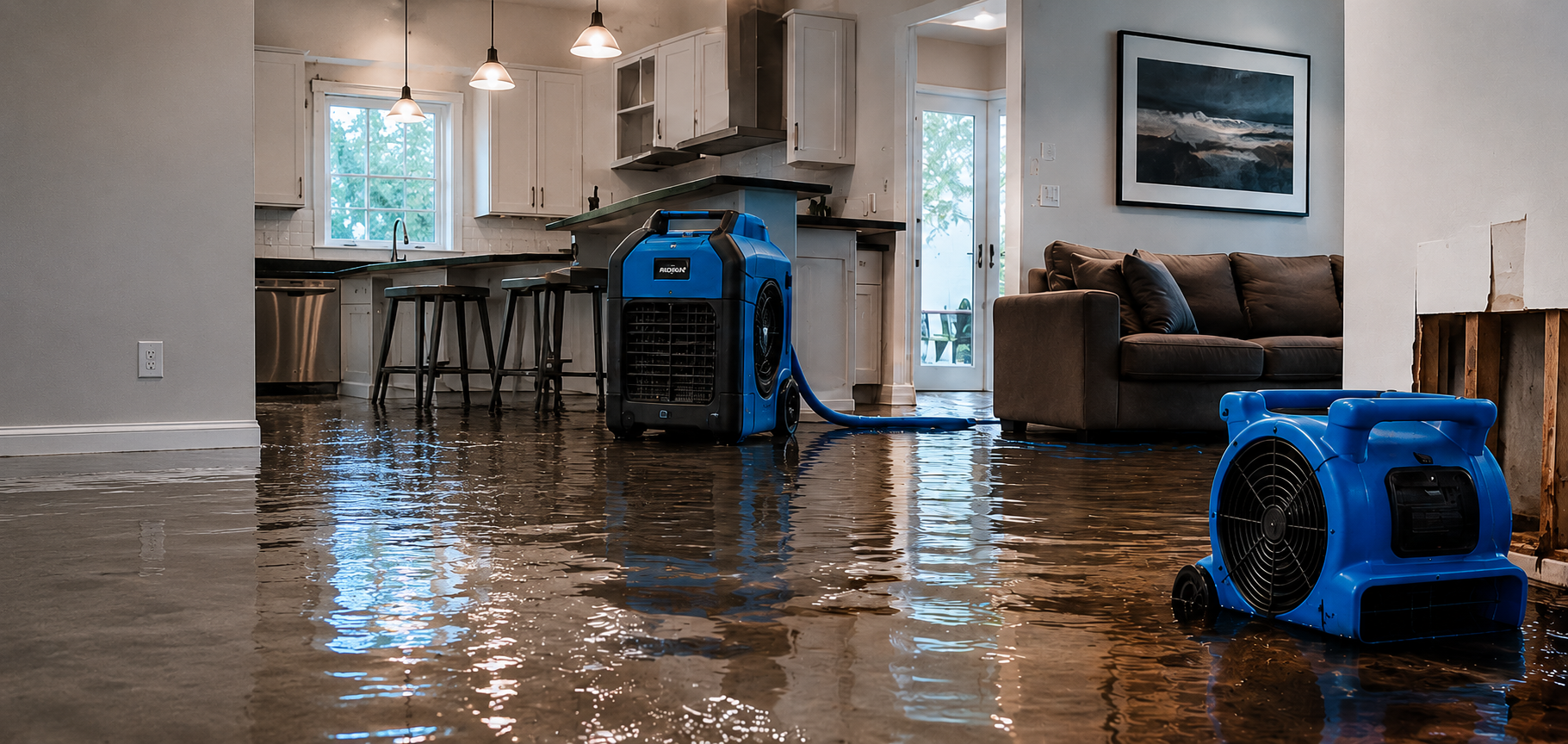
The moment your property endures high winds, hail, or heavy rainfall, the countdown begins. If you’re dealing with storm damage restoration Denver, acting quickly and intelligently is crucial. With the right approach, you can protect your home, streamline your insurance claim, and begin the process of getting things back to normal. In this guide, we’ll walk you through exactly what to do, why each step matters, and how to plan for a smoother restoration process, all tailored to the unique weather challenges around Denver.
Why is Immediate Action Important After Storm Damage?
When a storm hits the Denver metro area, the damage isn’t always obvious. Hidden leaks, weakened roofing materials, and displaced siding can continue to cause problems long after the skies clear. Homeowners who take swift steps reduce both the cost and duration of recovery. Also, if you want to make use of your homeowner’s insurance policy, documentation and prompt action are vital. Waiting too long can cause secondary damage like mold growth or structural rot, which insurance may not cover.
What Should You Do First When You Notice Storm Damage?
Here’s a clear set of first moves to take right away.
Ensure Safety First
Before you start inspecting or photographing, make sure no one is at risk. If there are downed power lines, gas smells, or structural instability, evacuate until professionals check the site. Safety takes precedence over salvage.
Document the Damage
Take photos and videos of all visible damage, roofs, windows, siding, gutters, trees—both wide shots and close-ups. This documentation will support your claim and help your chosen contractor assess the full scope.
Prevent Further Damage
Even if you’re waiting for a contractor, you should implement temporary protection. For example, if shingles or flashing are missing, have an emergency roof tarping Denver crew put a tarp over the exposed area. Protecting the interior prevents escalation like water intrusion or mold.
Contact Your Insurer Immediately
Prompt notification to your insurance company helps. Ask for your policy number, clarify what’s covered, and explain you are starting the assessment. Many companies expect you to act reasonably to avoid further damage, or risk claim rejection.
Schedule a Professional Inspection
Skip DIY guesses. Hire a licensed restoration specialist familiar with the Denver climate to inspect roofing, siding, windows, foundation, and attic space. They’ll spot hidden issues like water intrusion, loosened flashing, granule loss from shingles, especially after hail.
What Does a Comprehensive Storm Damage Checklist for Denver Homes Look Like?
Having a structured checklist helps ensure nothing gets overlooked. Use the table below as your guide:
| Area to Inspect | What to Look For | Why It Matters |
| Roof | Missing or curling shingles, granule loss in gutters, dented metal flashing | Damage to roofing can lead to leaks, wood rot, mold. |
| Gutters & Downspouts | Bent, detached, blocked by debris, misdirected water flow | Poor drainage increases risk of water intrusion and foundation problems. |
| Siding & Exterior Walls | Cracks, dents (especially from hail), broken caulking, shifted panels | Weakened siding lets wind and water enter the envelope. |
| Windows & Doors | Cracked glass, damaged frames, failed seals, missing flashing | Weak points for leaks and drafts; often overlooked after storms. |
| Trees & Landscaping | Fallen branches, root damage, trees leaning toward structure | Trees cause structural damage or block access for professionals. |
| Attic & Crawl Spaces | Signs of moisture, insulation damage, weakened structure, ice dam indicators | Hidden damage here often leads to mold or rot long after the storm. |
| Foundation & Crawlspace | Water stains, crack progression, blocked vents, pooling water | These areas reveal long-term damage if left untreated. |
Using a checklist like this helps you and your contractor evaluate every critical component of your home after a severe weather event. It also helps in creating a detailed storm damage checklist for Denver to stay organized throughout the process.
How Does the Denver Climate Influence Storm Damage Risks?
When we talk about storm damage restoration Denver, it’s vital to understand the local weather patterns and how they affect homes. Denver is located in what many refer to as “Hail Alley” on the Colorado Front Range.
Hailstorms
Large hailstones, sometimes golf ball size or larger are common. These impact roofs, asphalt shingles, siding and gutters. Denting may seem cosmetic but often signals compromised shingles and risk of leaks.
High Winds
Strong gusty winds during thunderstorms or Chinook events can lift shingles, tear siding, puncture windows, or break tree limbs. Wind-related damage may be subtle but just as harmful.
Heavy Rain & Flash Flooding
Although Denver doesn’t get heavy yearly rainfall compared to some regions, summer storms can dump a lot in a short time, and rapid snowmelt adds to water intrusion risks.
Winter Snow and Ice
Snow loading and ice dams are often overlooked during storm season. Ice dams form when melting snow refreezes at roof edges, causing water to back up under shingles and seep into attics.
Because of this variety of threats, homeowners in Denver need a restoration partner who understands the full climate picture.
What Questions Should You Ask When Hiring a Restoration Contractor for Storm Damage?
Choosing the right contractor is a major part of the equation when you’re managing storm damage restoration Denver. Here are key questions to ensure you pick a qualified partner:
- Is the contractor licensed, insured, and familiar with Colorado building codes and storm-damage work?
- Do they provide emergency roof tarping Denver services or board-up to secure the property quickly?
- Will they assist with the insurance claim process, including documentation, adjuster meetings, and estimates?
- Can they provide references and show past projects in storm-prone areas of Denver?
- Do they follow up with a comprehensive inspection, detailing hidden damage and recommending long-term restoration rather than just quick patches?
This due diligence helps you avoid contractors who rush in after storms and then disappear or provide substandard work.
What Does the Full Restoration Process Look Like?
Once you’ve taken immediate actions and selected a qualified contractor for storm damage restoration Denver, here’s how the process typically flows:
Step 1 – Detailed Assessment & Scope
The contractor inspects exterior (roof, siding, windows, gutters) and interior (attic, crawlspace, foundation). They use tools like infrared cameras, moisture sensors and structural checks to uncover hidden damage.
Step 2 – Temporary Protection
Before major work begins, they perform temporary stabilization: tarping roof areas, boarding windows, clearing debris, and pumping out water if needed. These actions prevent further damage and protect your claim.
Step 3 – Insurance Coordination
The contractor submits estimates, documentation and photos to your insurer, often meets with the adjuster, and ensures the scope aligns with policy terms. This coordination helps avoid denials or delays.
Step 4 – Permanent Repairs and Restoration
Work begins in earnest: roof replacement or repair, siding or window replacement, gutter realignment, landscaping trimming, structural repairs, interior drying or mold remediation if needed. The goal is to return your property to pre-storm condition—or better.
Step 5 – Final Inspection and Warranty
A reputable contractor will do a final walkthrough with you, ensure everything is complete and meets expectations, and provide warranties on workmanship and materials.
How to Prevent Future Storm Damage in Denver
After you’ve been through a storm damage restoration process, the next priority is proactively protecting your home. Here are several strategies:
- Regularly inspect your roof and siding for age-related wear, missing shingles, or damaged flashing.
- Trim trees and large branches that could fall or scratch siding during high winds.
- Secure and store outdoor furniture or equipment before forecast storms.
- Ensure gutters and downspouts are free of debris and direct water away from your foundation.
- Consider impact-resistant roofing materials (Class 4 rated) and strong window systems.
- Review your insurance policy annually to confirm it includes coverage for hail, wind and other storm-related perils common in Denver.
By taking these steps, you reduce the odds of large-scale damage and minimize disruption when a storm strikes.
FAQs About Storm Damage Restoration in Denver
Q1: How soon should I perform an inspection after hail or wind damage?
You should schedule an inspection as soon as possible—ideally within 24-48 hours of the storm. Hidden damage can worsen quickly if exposed to the elements.
Q2: Does homeowner’s insurance always cover storm damage in Denver?
Not always. Coverage depends on your policy and the specific cause of damage (hail, wind, flood). Also, if you fail to mitigate further damage, the insurer may deny the claim.
Q3: Can I wait to make temporary repairs like tarping the roof?
No. Immediate action is important to prevent additional damage and protect your claim. Ask for emergency roof tarping Denver to secure the property while awaiting full restoration.
Q4: What kind of hidden damage should I watch out for after a storm?
Look for interior stains or sagging ceilings, excessive granule loss in shingles, dents in gutters, moisture in attics, ice dam signs, and weakened structural connections—all can indicate deeper issues.
Q5: How long does a full storm damage restoration take in Denver?
The timeline varies. Minor roof or siding repairs might take days; major structural, water intrusion or full replacement projects can go weeks. Insurance and material availability can also affect timing.
Conclusion
Facing storm damage restoration Denver style means facing the unpredictable forces of nature head-on and making decisions quickly and wisely. From the moment you notice damage, you need to act with urgency: secure safety, document the scene, prevent further damage, call your insurer, schedule a professional inspection, and choose a trusted restoration partner. Then follow through with the repair and recovery process and set your home up for future resilience.
At ABC Restoration USA, we specialize in comprehensive storm damage restoration services tailored to Denver’s unique climate. Whether your property has been hit by hail, high winds, or water damage, our team is ready to respond quickly and guide you through every step of recovery. With us, you’re not just repairing damage, you’re restoring your peace of mind. Contact us today to get fast, professional help.