When severe weather strikes around Pikes Peak and leaves homes battered by high winds, hail, or torrential rain, swift action can limit further destruction. Storm Damage Restoration Colorado Springs specialists emphasize that the very first priority must always be safety—ensuring family members and pets are out of harm’s way before tackling any property repairs.
Homeowners in El Paso County often underestimate how quickly unseen water intrusion can lead to mold growth inside walls or ceilings. By taking a structured approach to assess damage, document losses, and secure affected areas, residents can protect their greatest investment and expedite the recovery process.
What Should Homeowners Do First After Storm Damage?
The moment the skies clear, residents should put on sturdy shoes, gloves, and protective eyewear to safely inspect their property. Fallen power lines, loose debris, and unstable structures pose serious hazards during the initial walkthrough.
Once it’s safe to proceed, a systematic exterior check is crucial. Start by evaluating roof conditions, scanning for missing or damaged shingles, punctured gutters, and exposed underlayment. Next, move around the perimeter looking for cracks in siding, broken windows, or warped decks that could allow water infiltration.
Interior inspections follow. Homeowners should look for ceiling stains, warped floors, and damp drywall in the attic or basement—areas especially prone to water accumulation. If any electrical outlets or fixtures appear wet or charred, turn off the breaker and avoid using lights or appliances in those zones until a professional electrician gives clearance.
After completing this step-by-step evaluation, residents will have a clear picture of both visible and hidden risks. This foundation ensures that subsequent actions—documenting damage, securing the property, and starting clean-up—are targeted and effective.
| Immediate Action | Purpose |
| Safety Assessment | Prevent injuries from downed lines/debris |
| Exterior Damage Walkthrough | Identify roof, siding, window vulnerabilities |
| Interior Inspection | Detect water intrusion and electrical risks |
| Document Hazards | Prioritize urgent repairs |
| Plan Next Steps | Organize cleanup and professional assistance |
How Can Homeowners Document and Record All Storm-Related Damage?
Accurate documentation serves as the backbone of any successful insurance claim. Before touching or moving any debris, residents should carry a camera or smartphone and capture date-stamped images of every damaged area.
Photograph missing roof shingles from multiple angles, close-ups of cracked windows, and wide-angle shots of fallen trees or board-up tarps in place. Inside, focus on water stains, warped floors, and any personal belongings that have shifted, soaked, or suffered impact damage.
Homeowners should also maintain a digital or paper log detailing times, observations, and any temporary measures taken—such as tarping or dehumidifier rental. This running journal adds context to the photos and can be referenced later when speaking with adjusters.
Keeping all repair invoices, equipment rental receipts, and relocation expenses together streamlines the claims process. Well-organized documentation often leads to faster approvals and reduces the risk of disputed costs.
How Should One Secure and Protect Exposed Areas After Storm Damage?
Temporary repairs prevent minor damage from escalating into major structural failures. A prime example is covering exposed roof decking with heavy-duty tarps or plastic sheeting and securing them with plywood or roofing nails.
Broken windows and doors present security and weather risks. Boarding up these openings with pressure-treated plywood stops further wind or water intrusion while deterring potential intruders.
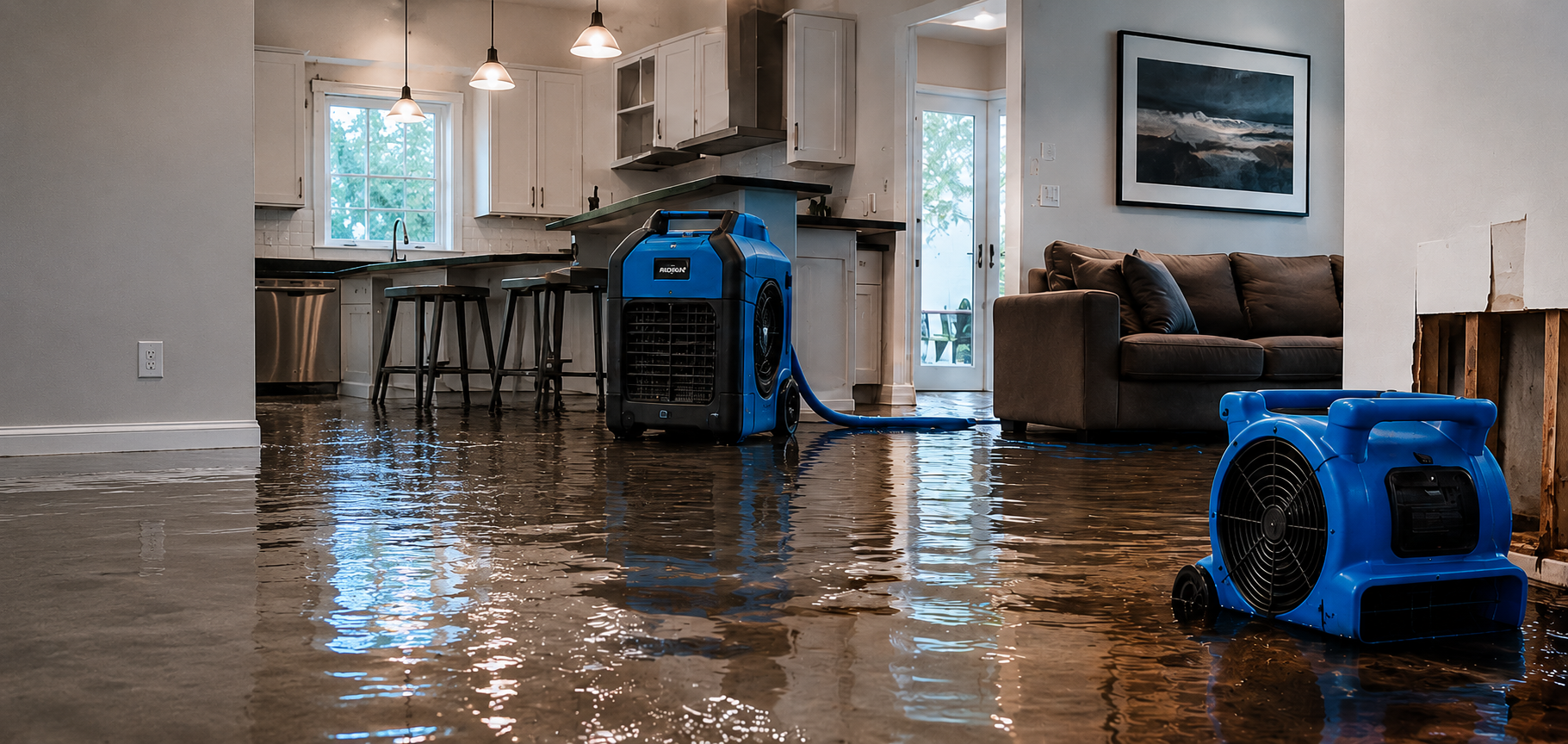
In cases of localized flooding, homeowners should deploy a sump pump and place buckets or basins under drips to catch leaking water. Fans and dehumidifiers accelerate drying, helping to stave off mold growth.
Mid-cleanup, those evaluating repair options often seek Storm Damage Restoration Colorado Springs specialists to handle everything from board-up services to mold remediation under one roof. This streamlined handoff can eliminate miscommunication and patchwork fixes.
What Does Storm Damage Restoration Colorado Springs Involve?
Storm Damage Restoration Colorado Springs is a comprehensive service designed to return properties to pre-loss condition.
Storm Damage Restoration Colorado Springs providers begin with a detailed on-site assessment to identify structural, water, and content damage. Technicians then create a tailored scope of work covering emergency tarping, board-up, water extraction, and controlled demolition where necessary.
Advanced drying techniques follow: industrial-grade dehumidifiers and air movers eradicate residual moisture, while moisture meters verify that building materials have returned to safe humidity levels. Mold remediation specialists may apply antimicrobial treatments to inhibit fungal growth behind walls and beneath flooring.
Next, restoration teams repair or replace compromised building components—roof shingles, siding, drywall, electrical wiring, and insulation—ensuring code compliance throughout. Content cleaning and pack-out services salvage personal items, furniture, and textiles affected by rain or debris. Finally, reconstruction experts rebuild affected rooms, seamlessly blending new materials with the existing structure for a unified finish.
| Damage Type | Recommended Immediate Action |
| Roof Shingle Loss | Apply emergency tarping |
| Broken Windows/Doors | Board up with treated plywood |
| Interior Water Intrusion | Run dehumidifiers + extract water |
| Mold or Fungus Presence | Schedule professional remediation |
| Structural Instability | Shore up or brace weakened sections |
Residents seeking peace of mind can Contact us to schedule a no-obligation inspection and begin restoring safety and comfort to their home.
When Is the Right Time to Contact Professionals and File an Insurance Claim?
As soon as the immediate hazards are under control, residents should reach out to licensed restoration contractors offering 24/7 emergency storm damage repair Colorado Springs trusts. Prompt mobilization minimizes secondary damage and often reduces overall repair costs.
Most insurance policies have strict timelines for filing claims. Early notification of storm damage helps prevent denial due to late reporting or alleged neglect. Restoration experts frequently assist by submitting damage inventories, photographs, and detailed reports directly to insurers.
While homeowners can address minor clean-up with DIY efforts, complex tasks—such as water extraction from crawl spaces or structural repairs following high-wind events—require specialized equipment and expertise. Following storm cleanup tips Colorado Springs homeowners rely on ensures that work meets industry standards and local building codes.
In many cases, restoration companies will meet insurance adjusters on-site, advocate for full coverage, and handle all paperwork. This end-to-end support alleviates stress and allows families to focus on returning to normal life rather than navigating administrative hurdles.
Conclusion
Taking decisive action in the hours and days after a storm shields homes from further deterioration and streamlines insurance recovery. By first ensuring personal safety, then documenting damage, securing exposed areas, and implementing targeted restoration steps, residents pave the way for a swift return to comfort.
For expert Storm Damage Restoration Colorado Springs homeowners trust, turn to ABC Restoration USA. Their certified technicians combine local knowledge, advanced equipment, and compassionate service to restore properties—from roof to foundation—back to pre-loss condition.
Frequently Asked Questions
What should I do if my roof is damaged after a storm?
Homeowners should cover exposed areas with tarps and secure them with plywood or roofing nails to stop water intrusion. Then, document the damage with photos and contact a certified restoration specialist for emergency tarping and repair.
How soon should I schedule a storm damage inspection?
Ideally within 24–48 hours of the storm passing. Early inspections help identify hidden leaks, mold risks, and structural concerns before they worsen.
Can I file an insurance claim for storm damage in Colorado Springs?
Yes. Most homeowner policies cover wind, hail, and flood-related damage. Ensure all damage is documented, notify your insurer promptly, and consider having a professional restoration team assist with claim submission.
What are common signs of hidden storm damage?
Watch for ceiling discoloration, musty odors, warped flooring, sticky doors or windows, and elevated utility bills—these often indicate water intrusion behind walls or beneath floors.
How much does storm damage restoration cost in Colorado Springs?
Costs vary based on damage severity, home size, and scope of work. Emergency tarping and water extraction may start in the low thousands, while full structural repairs can reach tens of thousands. A detailed estimate from a qualified contractor provides the most accurate projection.