Water damage never waits for business hours. A pipe can burst at midnight, a washing machine can overflow during a holiday, or a storm can flood your home while you are away. In these stressful moments, 24/7 water damage restoration services become essential. Immediate professional response can mean the difference between minor repairs and long-term structural damage. Understanding what a round-the-clock water damage restoration service includes helps homeowners and property managers act quickly and confidently during emergencies.
Water damage affects more than visible surfaces. Moisture can seep into walls, floors, insulation, and structural components within minutes. Without proper intervention, it can lead to mold growth, weakened structures, and serious health concerns. This guide explains exactly what a 24/7 water damage restoration service includes, how each step works, and why professional help is critical when water damage occurs.
What Is a 24/7 Water Damage Restoration Service?
A 24/7 water damage restoration service is designed to respond immediately to water-related emergencies at any time of day or night. These services operate continuously, including weekends and holidays, to ensure rapid mitigation when water damage strikes unexpectedly.
The primary goal is to stop further damage, remove excess water, and stabilize the property as quickly as possible. Fast response reduces the spread of water, limits material deterioration, and helps prevent mold growth. Professional teams arrive equipped with specialized tools and trained technicians ready to begin work immediately.
For homeowners, this availability provides peace of mind during stressful situations when timing is critical.
Emergency Response and Immediate Assessment
When you contact a restoration provider, the emergency response begins right away. This initial phase sets the foundation for successful restoration. Upon arrival, professionals evaluate safety risks, identify the water source, and begin the mitigation process but knowing the immediate steps to take within 24 hours of water damage before they arrive can significantly limit how far moisture spreads into your property.
Rapid Dispatch and On-Site Arrival
Once a call is received, technicians are dispatched immediately. Quick arrival allows them to assess the situation before damage worsens. Speed is essential, especially during flooding or major leaks.
Safety and Damage Evaluation
Upon arrival, professionals evaluate safety risks such as electrical hazards, contaminated water, or structural instability. They identify the source of the water and determine how far it has spread. This assessment guides the next steps of restoration.
Water Damage Restoration Services and Their Core Components
24/7 water damage restoration services follow a structured process that ensures thorough and effective recovery. Each stage addresses a specific aspect of water damage.
Water Extraction and Removal
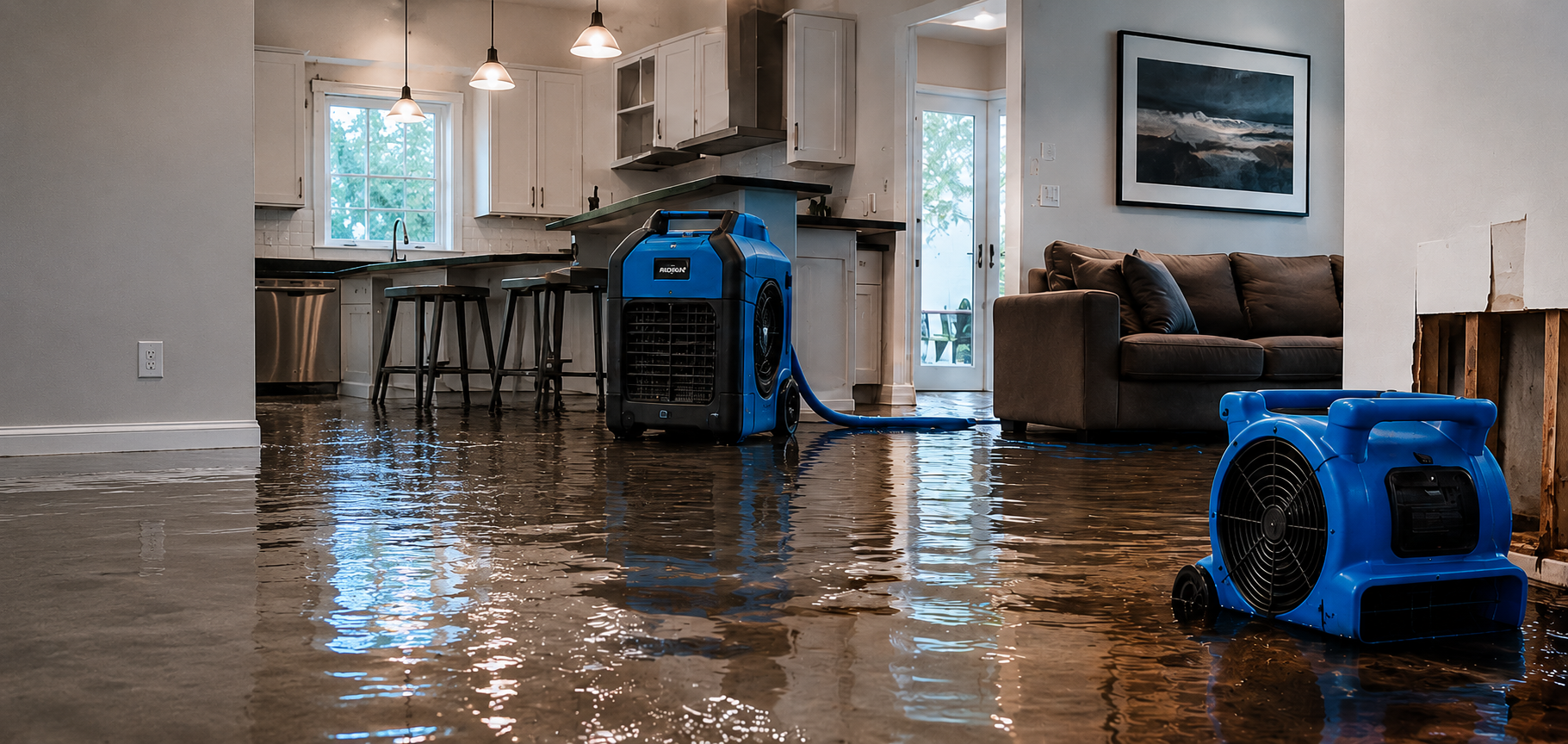
Removing standing water is one of the most critical steps. Technicians use industrial-grade pumps and vacuums to perform emergency water removal efficiently. These tools extract water much faster than household equipment, minimizing absorption into building materials.
Fast extraction reduces drying time and limits secondary damage to floors, walls, and furniture.
Moisture Detection and Monitoring
Even after visible water is removed, moisture often remains hidden. Professionals use moisture meters and infrared cameras to detect water behind walls and under floors. Continuous monitoring ensures that all affected areas are identified and addressed.
This step prevents future issues caused by undetected moisture.
Drying and Dehumidification Process
After water extraction, the drying phase begins. Proper drying is essential for preventing long-term damage.
Air Movement and Evaporation
Commercial air movers are placed strategically to circulate air across wet surfaces. Increased airflow accelerates evaporation and helps dry materials evenly.
Dehumidification
High-capacity dehumidifiers remove excess moisture from the air. Lowering humidity levels prevents condensation and supports effective drying. This process continues until moisture levels return to safe ranges.
Cleaning, Sanitizing, and Odor Control
Water damage often introduces contaminants and unpleasant odors. Cleaning and sanitizing are essential components of restoration.
Technicians clean affected surfaces using professional-grade solutions. In cases involving contaminated water, additional sanitation measures are applied to eliminate bacteria and pathogens. Odor control treatments help restore indoor air quality.
These steps ensure the environment is safe and comfortable for occupants.
Mold Prevention and Remediation Measures
Mold can begin colonizing wet materials within 24 to 48 hours, and understanding the health risks of leaving mold untreated after water damage underscores why antimicrobial treatment and rapid moisture control are non-negotiable parts of every professional restoration.
Professionals apply antimicrobial treatments to inhibit mold growth. Materials that cannot be safely dried are removed to prevent contamination. Containment measures may be used to stop mold spores from spreading.
Proper moisture control significantly reduces the risk of mold-related problems.
Structural Drying and Material Restoration
Drying framing, subfloors, and insulation requires far more than fans, learning how certified restoration companies ensure safe structural drying reveals the calibrated, equipment-driven methodology behind restoring a building’s structural integrity at Colorado’s high altitude.
Drying Walls, Floors, and Structural Components
Technicians dry framing, subfloors, and insulation using specialized equipment. This prevents warping, swelling, and rot. Structural drying is essential for maintaining the safety and stability of the property.
Salvaging and Restoring Materials
Whenever possible, materials are salvaged to reduce replacement costs. Professionals assess flooring, cabinetry, and furniture to determine what can be restored safely.
Repairs and Reconstruction Services
Once drying is complete, restoration transitions into repair and reconstruction.
Damaged drywall, flooring, and trim are repaired or replaced. Repairs are completed to match the original structure and appearance. This phase restores the property to its pre-damage condition.
Professional reconstruction ensures repairs meet safety standards and building codes.
The Role of Emergency Water Removal in 24/7 Services
Emergency water removal is a defining feature of round-the-clock restoration services. Immediate extraction limits damage progression and shortens recovery time.
Flooding, burst pipes, and appliance failures require fast action. Professional teams are equipped to handle large volumes of water safely and efficiently. Emergency removal also reduces the risk of electrical hazards and contamination.
This rapid response protects both property and occupants.
Health and Safety Considerations During Restoration
Water damage can pose health risks, especially when contaminated water is involved. Restoration professionals prioritize safety throughout the process.
Technicians use protective equipment and follow safety protocols to prevent exposure to harmful substances. Proper ventilation and air filtration help maintain indoor air quality during restoration.
Ensuring a safe environment is a core responsibility of professional restoration services.
How 24/7 Water Damage Cleanup Helps Minimize Loss
24/7 water damage cleanup services focus on minimizing loss by acting quickly and efficiently. Early intervention often saves flooring, furniture, and personal belongings.
Continuous drying and monitoring reduce the need for extensive repairs. By addressing damage promptly, restoration teams help lower overall restoration costs and shorten recovery time.
This proactive approach benefits both homeowners and insurance providers.
Insurance Coordination and Documentation
Navigating insurance claims can be overwhelming during a water emergency. Restoration services often assist with documentation and communication.
Technicians document damage with photos, moisture readings, and detailed reports. This information supports insurance claims and helps ensure accurate coverage. Clear documentation simplifies the claims process and reduces delays.
Professional coordination helps homeowners focus on recovery rather than paperwork.
When Should You Call a 24/7 Water Damage Restoration Service?
Certain situations require immediate professional attention. These include flooding, sewage backups, water exposure near electrical systems, and widespread moisture intrusion.
If you notice persistent dampness, musty odors, or visible water damage, professional evaluation is recommended. Delaying action can lead to increased damage and higher repair costs.
Homeowners seeking immediate assistance can connect with professionals through the contact us page to begin the restoration process quickly.
Long-Term Benefits of Professional Restoration
Professional restoration provides long-term protection for your property. Thorough drying and repair prevent recurring issues such as mold growth and structural weakening.
Restored properties maintain their value and safety. Professional services also offer guidance on preventing future water damage through maintenance and upgrades.
Investing in professional restoration reduces long-term risks.
Common Causes of Water Damage Emergencies
Understanding common causes helps homeowners stay vigilant.
Burst pipes, appliance malfunctions, roof leaks, and natural flooding are frequent sources of water damage. Poor drainage and aging plumbing systems increase vulnerability.
Awareness encourages early detection and timely response.
Why Professional Equipment and Training Matter
Professional restoration relies on specialized equipment and certified technicians. Industrial tools remove water and moisture more effectively than consumer-grade alternatives.
Trained professionals understand how water behaves in different materials. Their expertise ensures restoration is thorough and safe.
This combination of knowledge and equipment delivers reliable results.
Frequently Asked Questions About 24/7 Water Damage Restoration
What types of water damage require 24/7 service?
Flooding, burst pipes, sewage backups, and water affecting electrical systems require immediate attention.
How quickly should restoration begin?
Restoration should begin as soon as possible, ideally within hours of the incident.
Is it safe to stay in my home during restoration?
This depends on the severity of damage and contamination. Professionals will advise based on safety conditions.
Can restoration prevent mold completely?
Prompt and proper restoration significantly reduces the risk of mold growth.
How long does the restoration process take?
The timeline varies depending on damage severity, but early intervention shortens recovery time.
Conclusion: Understanding the Value of 24/7 Water Damage Restoration
Water damage emergencies demand fast, professional action. Knowing what a 24/7 water damage restoration service includes empowers homeowners to respond effectively during stressful situations. From emergency water removal and drying to repairs and prevention, each step plays a vital role in protecting property and health.
Choosing professional water damage restoration services ensures thorough recovery and long-term safety. When unexpected water damage occurs, ABC Restoration provides reliable, round-the-clock restoration services designed to restore your property and peace of mind.