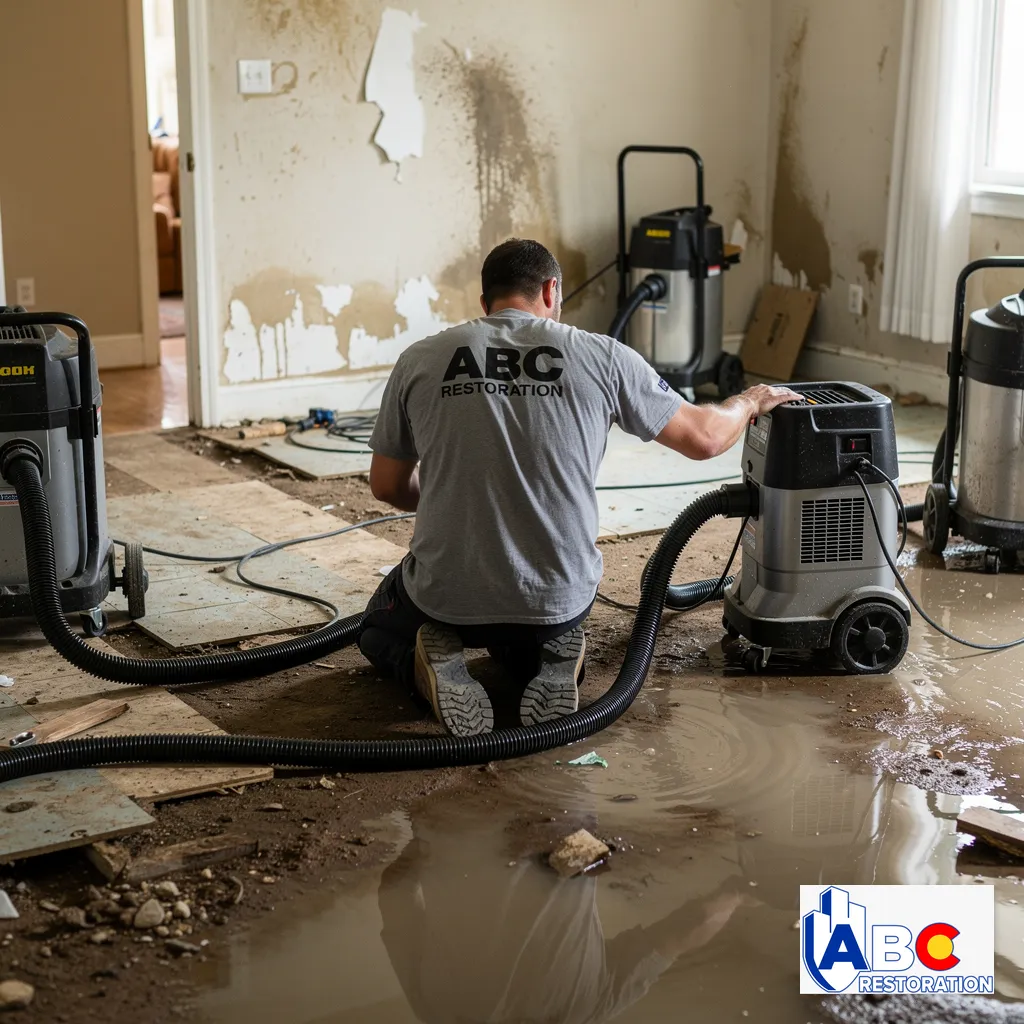
Spring in Colorado Springs feels like nature’s reset: snow melts, warmer days return, and greenery reawakens. But behind that beauty lies a hidden threat. The transition from freezing to thawing, sudden storms, and high runoff make Water Damage Restoration In Colorado Springs especially relevant in spring. Homeowners often discover hidden leaks, basement flooding, and roof damage when conditions shift. In this article, we’ll explore exactly why spring carries elevated risks, what triggers water intrusion during this season, and how you can protect your home (or call in help) before disaster strikes.
Why Is Spring a High-Risk Season for Water Damage?
Spring isn’t just wetter, it’s more volatile. Several interconnected environmental and climatic dynamics converge to heighten the risk of water damage in homes across Colorado Springs. Let’s break them down.
Snowmelt combined with spring rains
At altitude, Colorado Springs accumulates heavy snow during winter. As temperatures rise, the snowpack begins to melt. If melting happens too quickly, the ground below often remains cold or still partly frozen, limiting absorption. Add spring rains on top of that melt, and you have significant runoff. That excess water must go somewhere. When drainage systems, gutters, or soil can’t handle the excess, water seeks weak spots, foundations, basements, crawl spaces, or low-lying areas.
Freeze-thaw cycles damaging infrastructure
Spring is a time of thaw, but also repeated freeze-thaw cycles (especially overnight). Water that infiltrated small cracks in winter expands and contracts, gradually widening fissures in roofing, flashing, masonry, or foundation joints. This weakens barriers that usually repel water, making leaks more likely when pressure mounts.
Storms, hail and sudden downpours
Spring is notorious for its volatile weather. That means thunderstorms, hail storms, and heavy downpours can catch homeowners off guard. Intense rain in a short time can overload gutters, downspouts, and storm drains, leading to overflow and seepage into structures. Roofs damaged by hail may already have micro-cracks or weakened shingles, which then allow water in during subsequent storms.
Clogged gutters and debris from winter
By spring, gutters may be blocked with leaves, pine needles, debris, or remnants of ice and snow. Those blockages reduce gutter and downspout efficiency. When heavy spring rain arrives, clogged gutters overflow, allowing water to pour over eaves, flow down siding, and pool near foundations. That increases the chance of water entering basements, walls, or window wells.
Soil saturation and reduced permeability
After a dry winter, soils often become hard and compacted. When heavy spring rain comes, the soil can’t absorb water quickly. Combine that with hydrophobic patches (especially after wildfires), and runoff becomes the path of least resistance. Water concentrates along slopes and toward lower elevations, pressuring foundations and basement walls.
Wildfire-impacted areas and burn scars
In areas neighboring recent wildfires, the soil may have lost its absorbency. Burned vegetation can create hydrophobic (water-repelling) zones, so rainfall that would normally penetrate the soil instead runs off. That runoff carries debris and accelerates erosion, often channeling near homes, causing sudden surges or flash flows.
How these spring risks translate into actual damage inside homes
These seasonal triggers lead to real problems once water finds its way into your home. Some of the common consequences include:
Intrusion through foundation and basement walls
In spring, pressure from surface water and runoff pushes water against basement walls or slab joints. If cracks, pores, or weak mortar exist, water seeps in, forming damp patches, efflorescence, or pooling water inside basements or crawl spaces.
Roof leaks, attic infiltration & interior damage
Weakened roof materials or cracked flashing let water infiltrate during spring storms. That water travels through attic sheathing, insulation, and into ceilings or walls. What was hidden under shingles in winter becomes obvious under rain.
Mold growth accelerated by humidity
Spring brings higher humidity. Once moisture enters walls or ceilings, conditions become ripe for mold growth, often within 24–48 hours. That leads to musty odors, air quality issues, and health risk for occupants.
Damage to finishes, drywall, and floor coverings
Drywall, baseboards, trim, carpeting, and flooring materials absorb and warp under excess moisture. Paint blistering, warp, buckling, and staining often follow, demanding repair or replacement.
Electrical, HVAC and appliance hazards
Water in basements, mechanical rooms, or near appliances can reach wiring, outlets, and HVAC units. That can lead to shorts, corrosion, or equipment failure. It’s dangerous and expensive to fix.
Content damage & disruption
Furniture, storage items, personal belongings stored in basements or lower levels are often first casualties. Recovering or replacing them can become an expensive portion of your restoration costs.
What specific local factors in Colorado Springs exacerbate spring water damage risk?
While the general seasonal dynamics apply broadly, Colorado Springs includes local elements that amplify vulnerability.
Elevation and rapid weather swings
At over 6,000 feet elevation, the region’s weather shifts quickly. It’s common to experience snow in late spring, followed by rapid melt. These abrupt changes intensify pressure on systems built for more gradual transitions.
Terrain slopes and runoff direction
Many neighborhoods in Colorado Springs lie on slopes or foothills. Naturally, runoff gravitates downward—toward roads, foundations, or basements. Homes in the direction of drainage paths or downhill from vegetation are often more exposed.
Aging housing stock & older materials
Older homes in the area may have outdated waterproofing, older roofing materials, or compromised flashing. Over decades, degradation of barriers compounds spring stresses.
Burn-scar zones and post-fire terrain
Colorado Springs has experienced significant wildfires. Post-fire zones have altered hydrology: water no longer infiltrates as before, increasing sudden runoff. Homes built near burn scars or on erosion-prone slopes face heightened spring flood risk.
Infrastructure & stormwater limitations
Some city storm drainage systems may struggle during sudden spring deluges, especially when drains are blocked with debris. Street flooding or water pooling can back over curbs into basements or yards and press against foundations.
Local precipitation patterns
Spring marks the transition into storm season. As precipitation picks up frequency and intensity, the combined effect of snowmelt + rain + storms creates a water load many homes’ drainage systems weren’t designed to manage.
How homeowners can guard against spring water damage
Understanding spring risks is one thing—taking proactive steps is what prevents disaster. Here’s a strategic checklist.
Inspect, clean & repair gutters and downspouts
Before spring fully sets in, clear gutters, flush downspouts, and ensure they’re sloped properly. Install downspout extenders to direct water at least several feet away from your foundation.
Seal cracks and test foundation barriers
Inspect foundation walls, concrete slabs, and masonry for cracks or gaps. Apply appropriate sealants or waterproof coatings. Look for signs of shifting or settling that might open joints.
Ensure proper grading & landscape drainage
Grade soil away from your home. Use swales, French drains, or dry wells to channel water away. Check that mulch beds or vegetation slopes don’t funnel water toward structural walls.
Roof and attic inspection & maintenance
Have a professional inspect roofing, flashing, chimneys, vents, and penetrations. Replace worn or damaged shingles. Make sure attic ventilation and insulation are adequate to reduce thermal stress.
Install or service sump pumps & backup systems
If your basement is at risk, install a reliable sump pump with backup battery power. Check that its discharge hose directs water away from the home’s base.
Use moisture sensors and leak alarms
Place sensors near water heaters, along basement walls, and under appliances. These smart alarms alert you early if water begins to accumulate somewhere unexpected.
Prepare for storms & heavy rainfall
Before spring storms arrive, close windows, inspect seals, and ensure vulnerable areas are protected. Clear leaf litter and debris from drains and catch basins. Be ready to act quickly at first signs of water entry.
Hire a professional for seasonal inspections
A qualified water damage professional can conduct a “spring readiness” audit, checking often-overlooked weak points. Their inspection may reveal hidden vulnerabilities you’d miss as a homeowner.
When to call professionals (for mitigation, cleanup, and restoration)
If despite your preventive efforts, water intrusion occurs or you suspect unseen damage, it’s vital to enlist skilled help.
- When water enters habitable areas (basements, walls, finishes)
- When you detect staining, blistering, or warping in walls or ceilings
- When musty or moldy odors persist
- If you see patchy dampness, efflorescence, or bubbling paint
- If you’re unsure how far the moisture has penetrated
- In cases of storm damage, flooding, or water from external sources
- If you want to limit future damage and expedite recovery
At ABC Restoration USA, we specialize in full-spectrum Water Damage Restoration In Colorado Springs, starting with emergency mitigation and seeing through the final rebuild. Whether it’s spring-induced leaks or storm runoff, we’ll help you recover with speed and confidence. Feel free to Contact us any time you need help.
Frequently Asked Questions (FAQs)
Why does snowmelt make spring more dangerous than winter?
During winter, snow lies dormant and melts slowly. But in spring, warming temperatures cause rapid melt. Combined with rain, that results in a surge of runoff that can’t be absorbed quickly by cold, compacted soil.
Can spring storms cause basement flooding even if there’s no plumbing issue?
Absolutely. Heavy rains, surface runoff, and overwhelmed drainage systems often push water into foundations, window wells, and basement walls, even when plumbing is intact.
How fast does mold develop after spring water intrusion?
In spring conditions, mold can begin growing within 24 to 48 hours if moisture remains in structural materials. Warmth and humidity accelerate microbial growth.
Are newer homes less likely to suffer spring water damage?
Not always. Even new construction can suffer if drainage, grading, flashing, and waterproofing weren’t properly implemented. Local conditions (soil, slope) still matter.
Does homeowners insurance cover spring water damage?
It may, depending on the cause. Sudden events like storms or burst pipes are often covered, but damage from neglect, poor maintenance, or slow leaks may be excluded. Always document promptly and act early.
Conclusion
Spring in Colorado Springs brings beauty, but also elevated risk for water damage. Snowmelt, freezing cycles, volatile storms, clogged gutters, steep terrain, and post-fire runoff conditions all conspire to make this season particularly dangerous for homes. Recognizing those risks and preparing proactively, grading, sealing, gutter care, sensors, can save you from costly repairs and disruption. And if you ever face spring leakage or flooding problems, ABC Restoration USA is here to help with expert Water Damage Restoration In Colorado Springs from mitigation through full recovery. Don’t hesitate, Contact us as soon as possible, because spring waits for no one.