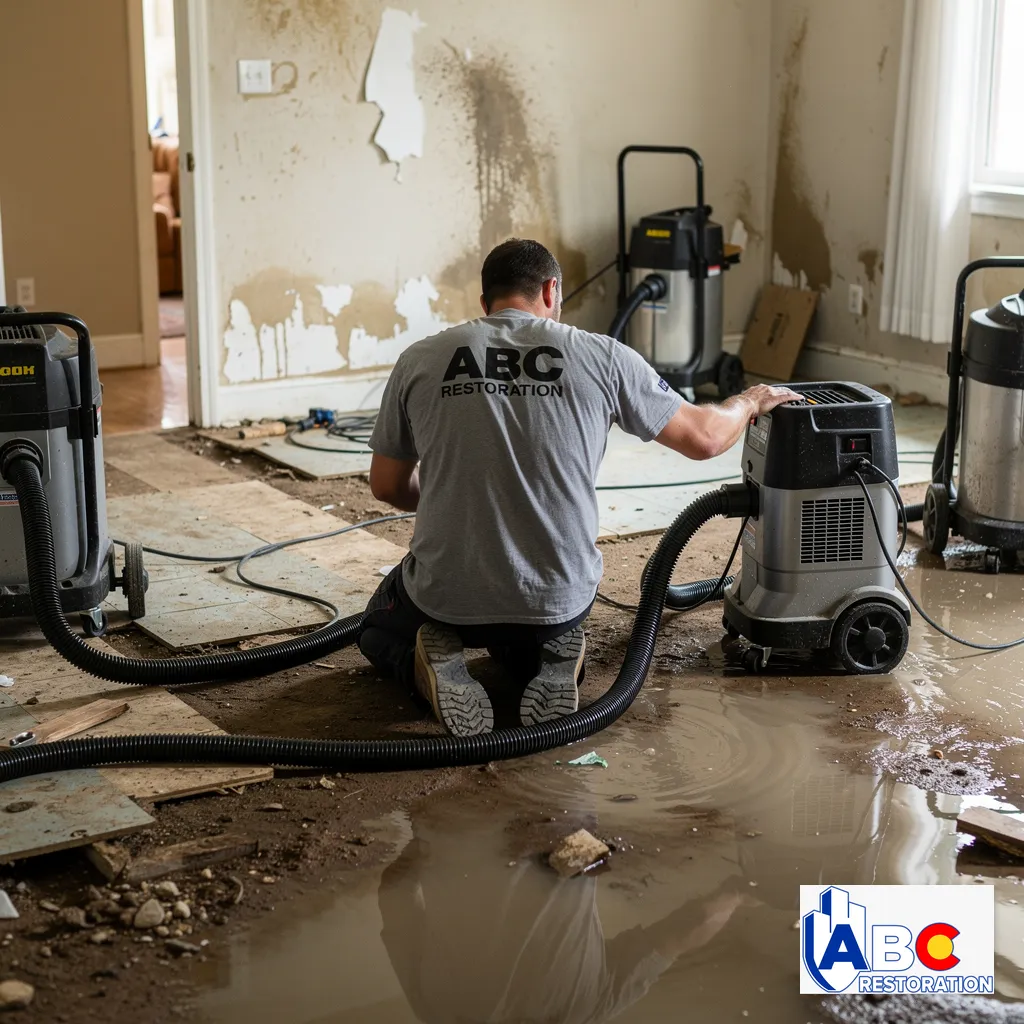
When water invades your property, whether from a burst pipe, overflow, storm, or flood, you instinctively want to know: how much will this cost? The answer isn’t simple, because many variables influence the final price. Whether you’re in a local market like Colorado Springs or elsewhere, understanding those cost drivers helps you compare estimates, spot red flags, and make decisions confidently. In this article, we’ll walk through every major factor that affects the price of water removal and cleanup, explain why each matters, and show how homeowners can manage costs. Throughout, we’ll tie it back to Water Damage Restoration In Colorado Springs and how we at ABC Restoration USA approach fair pricing.
What cost factors do restoration companies consider?
Restoration firms evaluate numerous interrelated factors before issuing a quote. That helps them gauge labor, equipment, time, and risk. Below are the key determinants.
Size and scope of the affected area
One of the most obvious drivers: how much space is impacted. A single room with a small leak is far less costly to remediate than multiple rooms, entire floors, or a full basement flooding. More square footage equals more water extraction, more airflow setups, more monitoring, and more materials to repair or replace.
Beyond area, scope includes depth of water, how far moisture penetrated, and how many building elements (walls, ceilings, subfloor, joists) are affected. If damage reaches structural framing, repair becomes more intensive.
Water category and contamination level
Water is classified into categories based on contamination. Category 1 is “clean water” (e.g. from broken supply lines), Category 2 (gray water) carries moderate contaminants (dishwashers, washing machines), and Category 3 (black water) is heavily contaminated (sewage, floodwater). The more contaminated, the more stringent safety measures, disposal protocols, and treatment processes are required, driving up cost.
Similarly, the class (absorption and depth of saturation) matters. Deep saturation or full-absorption into porous materials demands more work, more drying time, and sometimes demolition of damaged materials.
Time to respond & emergency service fees
When water damage is handled promptly, costs remain lower because damage hasn’t progressed. But if water sits for hours or days, secondary damage (mold, structural decay) increases the remediation complexity and cost. Many firms charge an “emergency” or after-hours premium for nights, weekends, or holidays because labor costs and urgency drive pricing upward.
Equipment & drying method requirements
The more aggressive and extensive the drying effort, the higher the cost. If standard air movers and dehumidifiers suffice, cost is moderate. But if you need high-capacity units, specialty drying mats, injection drying into walls/floors, or thermal imaging & moisture scanning, those add up.
If hidden moisture requires cameras, thermal scanning, or probes, labor and instrumentation costs increase.
Material damage, removal & replacement needs
If porous finishes (drywall, insulation, ceiling tiles, carpet, padding) are soaked beyond repair, those materials must be removed, discarded, and replaced. That extends cost via disposal fees, new materials, labor, and finishing (mud, paint, trim).
Some structures may require structural reinforcement, joist replacement, or subfloor repairs — all of which escalate cost steeply.
Accessibility & complexity of location
If the water-affected area is easy to reach, with full access from multiple sides, pricing is easier. But tight crawl spaces, multi-level walls, behind cabinets, confined attic spaces, or complex layouts require more labor, creative drying setups, and often increased time, thus higher rates.
Contents and personal property restoration
A portion of the quote may cover cleaning, drying, or restoration of furniture, fabrics, electronics, documents, or other contents that were moved or soaked. If many pieces require specialized cleaning (e.g. electronics, archival items), the cost increases.
Mold risk, microbial growth & contamination control
When moisture lingers, mold can grow quickly. If mold is already present or likely, the cleanup must include antimicrobial treatments, air scrubbers, HEPA filtration, containment, and sometimes mold remediation protocols. These add overhead in materials, labor, safety gear, and time.
Labor rates, regional cost differences & local market
Labor costs vary by region. Local wage rates, union vs non-union labor, and cost of doing business (permits, licensing, insurance) influence quotes. Markets in metropolitan areas or high-cost states tend to see higher restoration pricing.
Material costs also differ locally; drywall, insulation, finish materials, and labor rates fluctuate regionally. A contractor in Colorado Springs will price differently than one in another state or rural area.
Insurance, permitting & administrative costs
If the job is insured, there’s administrative work: documentation, adjuster coordination, photo logs, reporting, claims liaison. Some of that overhead is built into pricing. If permits or inspections are needed (especially for structural repair), those costs may be added.
Duration of the project & hidden surprises
Longer projects inherently cost more. If unexpected hidden damage appears (rotted joists, mold behind walls, insulation soaked deeper than anticipated), scope often widens mid-project, increasing cost. These unknowns require allowances or contingency buffers.
How do these factors combine in local markets like Colorado Springs?
In a place like Colorado Springs, several local conditions further influence pricing for water removal and cleanup.
- Higher elevation climate causes frequent freeze-thaw cycles, stressing materials and sometimes causing more severe penetration or hidden damage.
- Seasonal storms, intense rain events, and snowmelt runoff can introduce variable water intrusion dynamics.
- Local labor and material costs set the baseline rates for contractors operating in the region.
- Permitting or building codes in El Paso County may impose additional costs if structural changes are needed.
So when you get a quote from a contractor offering Water Damage Restoration In Colorado Springs, they’ll inherently factor these locale-specific risks into their pricing.
Sample cost range & what to expect
While exact costs vary, here’s a ballpark sense of pricing tiers and how cost drivers play out in practice.
For minor leaks affecting a single room, with clean water and limited penetration, costs might range from a few hundred to a few thousand dollars.
If you have a full basement flood, multiple rooms, or black water contamination, restoration plus cleanup may run into the tens of thousands.
It’s common to see base extraction and cleanup quoted as $3–$8 per square foot, with significant add-ons for contamination, specialty drying, material replacement, and mold control.
Remember, a fair quote should break down line items: extraction, drying equipment, demolition, content treatment, repairs, safety precautions, and contingencies. Be cautious if a contractor gives a single lump number without explanations.
What you can do to minimize cleanup & water removal costs
You can’t control every element, but homeowners can take steps to reduce expense and risk:
- Act immediately when a leak or flooding occurs — shut off water, call professionals.
- Remove or elevate furniture, carpet, and valuables.
- Improve drainage around your house (gutters, downspouts, grading).
- Maintain plumbing, appliances, and roof to prevent leaks.
- Monitor humidity, use moisture alarms, and inspect for small leaks routinely.
- Choose a provider transparently; compare detailed quotes, not just low price.
Related internal context & how we work
When you engage a professional team, one of the first steps is meeting or contacting the provider to discuss scope and get an initial estimate. If you want to speak to our team about your situation, just Contact us and we’ll respond quickly.
At ABC Restoration USA, we always start with a Water Damage Restoration In Colorado Springs perspective, tailoring each quote to the local conditions, regulations, and climate factors. We know how much variation exists in cleanup cost determinants, so our proposals outline major cost drivers clearly, helping you see what you pay for and why.
FAQs common questions about water removal & cleanup pricing
Q1: Why do some quotes seem very low, yet later balloon?
Low quotes may omit hidden costs (mold, structural damage, equipment, disposal, permits). If a contractor underestimates “unknowns,” extra charges appear mid-project. Always ask for detailed breakdowns and contingency buffers.
Q2: Is insurance likely to cover all cleanup and water removal costs?
Many homeowner insurance policies cover sudden water damage removal and cleanup, especially from burst pipes or storms. However, coverage excludes neglect, slow leaks, or improper maintenance. Also, contamination or flooding may need extra riders. Always review your policy carefully.
Q3: Does the category of water (clean, gray, black) change cost significantly?
Yes. Higher contamination categories require more careful handling, safety gear, disposal, and treatment. Cleanup of black water is much more expensive than clean water.
Q4: Are estimates based on square footage reliable?
Square footage is a useful baseline, but it doesn’t capture depth, contamination, complexity, or material damage. Be cautious of quotes that rely entirely on per-sqft rates without inspection.
Q5: Can I reduce cost by doing part of the cleanup myself?
You can remove furniture or carpets, mop up standing water, or move fragile items. But professional water removal, drying, mold prevention, and structural repairs require specialized tools and expertise. Partial DIY efforts may interfere with warranty, insurance, or proper restoration.
Understanding Your Water Restoration Costs
When you ask “What affects the price of water removal and cleanup?”, you’re really asking: what variables will drive how much I’ll pay? As we’ve seen, there’s no one-size-fits-all answer. Size, water type, response time, contamination, equipment, material damage, accessibility, labor, and hidden surprises all factor in. For homeowners in Colorado Springs, additional local conditions further shape pricing.
If you face water intrusion and want a transparent, locally informed cleanup and removal quote, ABC Restoration USA is ready to help. Our team handles Water Damage Restoration In Colorado Springs from start to finish, with clear pricing, honest assessments, and expert execution. Reach out today and let us restore your home safely and fairly.