Navigating the aftermath of severe weather requires timely action and clear understanding of available resources. Storm Damage Restoration Colorado Springs operations hinge on accurate damage assessment, meticulous documentation, and seamless coordination with insurers. This guide equips homeowners with the knowledge to file storm damage insurance claims, work with certified professionals, and secure fair coverage without unnecessary delays.
How does one file a storm damage insurance claim in Colorado Springs?
Storm Damage Restoration Colorado Springs specialists advise initiating the claims process immediately after ensuring personal safety and securing the property. The first step is a thorough hail damage roof inspection in Colorado Springs or evaluation of wind, hail, or water intrusion impacts. Documenting every affected element—shingles, siding, gutters, windows, and interior fixtures—creates a robust foundation for discussions with insurance adjusters. Following up with your insurer promptly guarantees adherence to policy deadlines, which in Colorado typically range up to 12 months post-storm. Proactive homeowners also notify emergency response teams or licensed roofing contractors to install temporary tarps and mitigate further damage.
Assessing Storm Damage Immediately
Upon storm passage, safety assessments take priority. Residents should look for downed power lines, gas leaks, or weakened structures before approaching the home. Using smartphones or digital cameras, high-resolution images of hail dents, wind-tear patterns on siding, and water stains in attics are crucial. It’s wise to compile situational details—storm date, approximate wind speeds (if known from the National Weather Service), and rainfall accumulation—into a centralized digital folder. This timeline reinforces the claim’s context and helps insurers correlate damage with documented meteorological data.
Documenting Damage for Your Claim
Accurate damage logs reduce disputes over coverage. Alongside photographic evidence, homeowners should maintain written notes describing the storm’s impact on roofing materials (asphalt shingles, metal panels, synthetic slate), fascia, soffits, and structural elements. Including close-up images of preexisting wear versus fresh storm-related harm clarifies which issues fall under dwelling coverage and which may reflect maintenance responsibilities. Duplicate copies of inspection reports from certified roofing contractors or structural engineers can be attached to the claim packet, elevating credibility with underwriters.
Engaging Professional Inspections
Licensed storm damage professionals provide more than repair services—they deliver comprehensive inspection reports that align with Division of Insurance standards. Engaging a certified contractor experienced in windstorm and hail damage ensures that every aspect of the property is evaluated. These experts often leverage drone technology for high-resolution roof imagery and infrared scanning to detect hidden moisture. Their detailed findings, combined with structural assessments, become pivotal evidence during adjuster walkthroughs. In many instances, having a contractor present reaffirms the homeowner’s diligence and streamlines claim approval.
What coverage does a standard homeowner’s policy provide for storm damage?
Homeowner’s insurance typically includes dwelling and personal property coverage that applies to sudden storm damage events. Dwelling coverage addresses structural components—roof, walls, and foundation—while personal property protection covers furniture, electronics, and belongings. Most policies operate on a replacement cost value (RCV) basis for structures, ensuring reimbursement to replace damaged materials, less the deductible. In contrast, personal items often receive actual cash value (ACV), accounting for depreciation. Understanding exclusions—such as flood damage or wear-and-tear—is critical to avoid claim denials and to consider supplemental policies where needed.
Coverage Comparison Table
| Coverage Type | What It Covers | Typical Deductible | Timeline to File Claim |
| Dwelling Coverage | Roof, walls, foundation, attached structures | $1,000 – $5,000 | Up to 12 months |
| Personal Property Coverage | Contents, electronics, furniture | $500 – $2,500 | Up to 12 months |
| Additional Living Expenses | Temporary housing, meals | $1,000 – $3,000 | Up to policy limit |
| Flood Insurance (Separate) | Flooding, rising water, groundwater seepage | $1,000 – $5,000 | Varies by NFIP guidelines |
How can homeowners avoid common pitfalls during the claims process?
Even a single oversight can slow claim settlements. Homeowners should secure all receipts for emergency repairs—tarps, temporary roofing materials, or boarded windows—as these qualify for reimbursement under many policies. Consulting the Colorado Division of Insurance resources helps verify policy language, deductible details, and fraud prevention tips. Engaging a public adjuster or an experienced roofing contractor familiar with insurance-approved storm restoration Colorado Springs assures that no eligible damage is overlooked. Clear, chronological communication with the insurer eliminates ambiguities and fosters transparency.
Understanding Your Homeowners Insurance for Storm Damage
Effective strategies minimize stress and maximize claim value. First, understanding policy limits and exclusions prevents unpleasant surprises during payout discussions. Second, familiarizing oneself with the adjuster’s inspection checklist—hail impact points, wind tear patterns, water penetration zones—allows homeowners to guide the walkthrough and ensure all damage is recorded. Third, maintaining open communication with contractors and insurers, while avoiding storm chaser traps, preserves the integrity of both repair quality and claim legitimacy.
Understanding Your Deductible
Deductibles hinge on either a flat amount or a percentage of dwelling coverage. For high-value homes, percentage deductibles (e.g., 2% of dwelling value) can translate to substantial out-of-pocket expenses. Knowing this figure upfront allows for realistic budgeting of repairs and discussions about mitigation measures that might lower future deductibles. Some insurers offer deductible waivers for minor claims, but frequent filings may affect premium renewals or policy terms.
Working with Certified Contractors
Choosing a local, licensed roofing or restoration company offers regional expertise—insight into Pikes Peak’s elevation effects on storm patterns, knowledge of city building codes, and established relationships with local adjusters. Certified firms use manufacturer-approved materials like impact-resistant shingles from GAF or Owens Corning, which insurers typically recognize as eligible replacements. These companies stand behind workmanship warranties and often include post-restoration inspections to satisfy insurer requirements.
Avoiding Storm Chasers
After severe hail or wind events, crews from outside Colorado may solicit business door-to-door, sometimes employing high-pressure tactics. Homeowners should verify contractor licenses, insurance credentials, and local addresses before signing agreements. Reputable firms will provide written estimates, detailed scopes of work, and clear timelines. Checking online reviews and BBB ratings further safeguards against unscrupulous operators.
When should residents consider additional flood insurance?
Standard homeowner’s policies exclude flood damage from rising water or overground flooding after storms. In Colorado Springs, flash floods often surge through foothill drainage ways and culverts. Residents in flood zones or near canyons should evaluate policies through the National Flood Insurance Program (NFIP). Flood insurance undergoes a 30-day waiting period and typically reimburses based on ACV for structures and contents. For homes impacted by stream overflow or surface water pooling, this coverage becomes indispensable to secure full financial protection.
Timeline and Next Steps for a Successful Claim
- Immediate Action (First 24–48 hours)
- Ensure safety, document damage, and mitigate further harm with emergency tarping or board-ups.
- Professional Inspection (Within 72 hours)
- Schedule certified contractor evaluation and obtain a detailed, insurance-compliant report.
- Insurance Notification (Within Policy Deadline)
- File the claim, submit inspection reports, photos, and repair receipts.
- Adjuster Walkthrough (Within 1–2 weeks)
- Accompany insurer’s representative, present documented evidence, and clarify repair scopes.
- Estimate Approval and Repairs (After Adjuster Approval)
- Compare contractor proposals with insurer’s estimate, negotiate variations, and commence repairs.
- Final Inspection and Claim Closure
- Arrange post-repair inspection to confirm work meets policy standards and close the claim.
Essential Equipment and Technology for Restoration
Modern storm restoration leverages advanced tools to expedite recovery:
- Drones and Aerial Imaging: Capture detailed roof damage, inaccessible areas, and hail impact patterns.
- Infrared Moisture Meters: Detect hidden moisture in walls, ceilings, and crawl spaces.
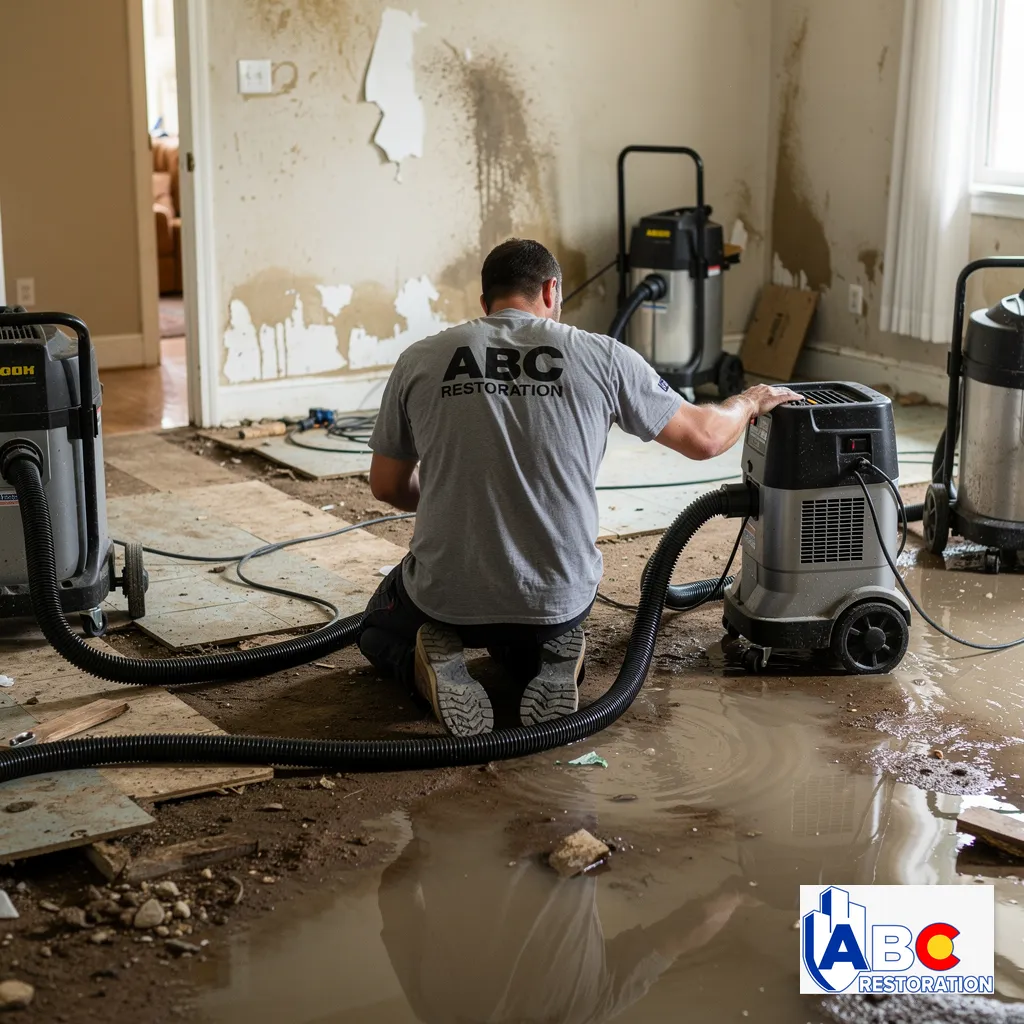
- Industrial Air Movers and Dehumidifiers: Accelerate drying to prevent mold growth.
- Thermal Imaging Cameras: Identify heat differentials signaling water intrusion or insulation gaps.
These technologies—adopted by leading restoration firms—ensure comprehensive restoration and compliance with both insurer and municipal standards.
Common Stakeholders in the Process
Numerous parties collaborate during storm damage claims:
- Homeowner: Coordinates documentation, communicates with contractors and insurers.
- Insurance Adjuster: Evaluates damage, authorizes settlements based on policy terms.
- Public Adjuster: Advocates on homeowner’s behalf, negotiates claim values.
- Licensed Roofing Contractor: Performs inspections, issues repair estimates, executes restoration.
- Division of Insurance (Colorado DORA): Regulates insurance practices, resolves disputes.
- National Weather Service: Provides meteorological data to substantiate claim timing.
- FEMA and NFIP: Offer flood insurance coverage and disaster assistance guidance.
Understanding each entity’s role streamlines communication and reduces claim processing time.
Legal and Regulatory Considerations
Colorado statutes and Division of Insurance regulations govern storm damage claims. While no laws mandate matching undamaged siding or paint, insurers must cover only actual losses. Policy non-renewals may occur after multiple losses, underscoring the importance of mitigation and preventive measures. Contractors must adhere to municipal permitting for roof replacements and comply with local building codes in zones like zip codes 80903, 80904, and 80907. Familiarity with these requirements prevents project delays and ensures a seamless restoration.
What to Expect During Adjuster Inspections
During an adjuster visit, homeowners should be prepared to:
- Provide chronological photo and video evidence of damage.
- Present licensed contractor reports and cross-reference line items.
- Highlight storm-specific damage (dents, hail impact circles, shingle granule loss).
- Discuss emergency repairs undertaken to prevent further damage.
Adjusters evaluate coverages under dwelling property form HO-3 or other relevant policy documents. Clarifying policy limits, depreciation schedules, and endorsements (e.g., ordinance or law coverage) ensures accurate settlement calculations.
Proactive Measures to Reduce Future Risk
Mitigating future storm damage lowers insurance costs and preserves property value:
- Install impact-resistant Class 4 asphalt shingles or metal roofing certified for high-wind zones.
- Reinforce windows with impact-rated glass or storm shutters.
- Clear debris and maintain vegetation to reduce airborne projectiles.
- Upgrade gutters and downspouts to manage heavy rainfall effectively.
Engaging a professional mitigation specialist to draft a risk reduction plan can also yield insurance premium credits.
Conclusion
Securing a fair and timely settlement for storm damage insurance claims in Colorado Springs demands diligence, informed decision-making, and expert collaboration. By following structured steps—from initial damage assessment and professional inspections to clear communication with insurers—homeowners can restore their homes with confidence.
For unparalleled expertise in navigating insurance-approved storm restoration Colorado Springs, bold homeowners trust ABC Restoration USA. Our certified team guarantees quality workmanship, comprehensive claim assistance, and peace of mind from initial inspection to final inspection.
Contact us to schedule an inspection or discuss your storm damage claim today.
Frequently Asked Questions
How long do I have to file a storm damage insurance claim in Colorado Springs?
Homeowner policies in Colorado generally allow up to 12 months from the date of the storm to file a claim. It’s crucial to review your policy immediately after severe weather and initiate the process promptly to avoid denials.
What should I include when documenting storm damage?
Document all affected areas with high-resolution photos and videos, noting hail impact on shingles, wind-tear on siding, debris in gutters, and interior water stains. Include storm date, contractor inspection reports, and emergency repair receipts.
Can I handle the inspection myself or do I need a professional?
While preliminary documentation can be homeowner-driven, a certified contractor or public adjuster provides detailed, insurance-compliant inspection reports that carry greater weight during claim reviews and adjuster walkthroughs.
Will my homeowner’s insurance cover flood damage from severe storms?
Standard homeowner policies exclude flood damage. Residents in flood-prone zones should obtain separate flood insurance through the National Flood Insurance Program (NFIP) before storm season begins.
How can I ensure my storm damage repairs meet insurance requirements?
Work with licensed, insured contractors familiar with Colorado Springs building codes and insurer guidelines. Obtain written estimates, adhere to policy scopes, and secure post-repair inspections to confirm satisfaction and compliance.