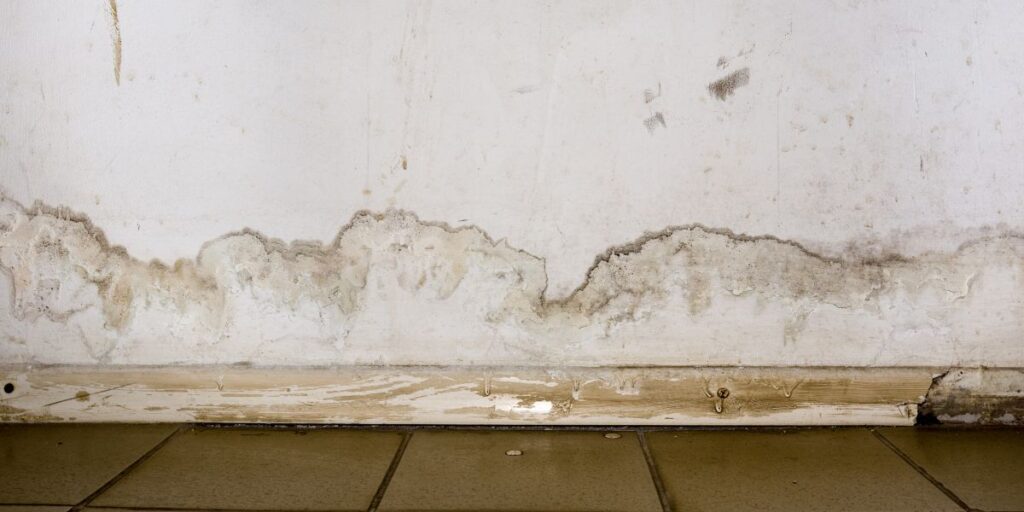
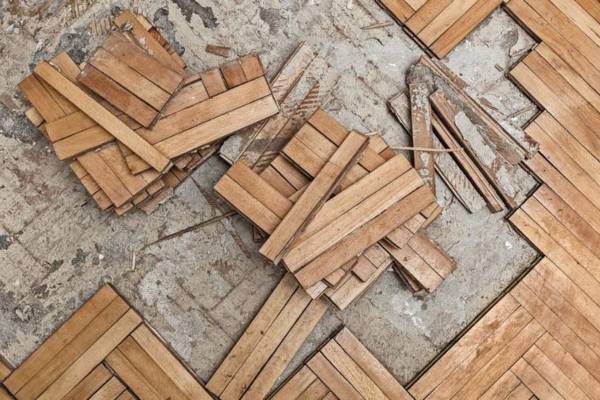
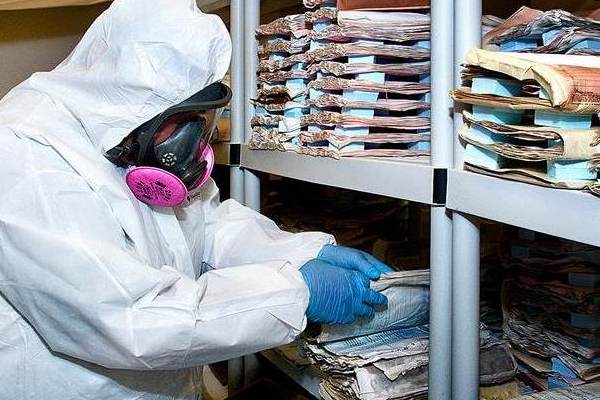
Our water damage restoration services are designed to address and repair damage caused by leaks, floods, or other water-related issues.
Pipes can burst due to freezing temperatures, high water pressure, or corrosion, leading to significant water leakage and damage to surrounding areas.
Heavy rainfall, storm surges, or rising rivers can overwhelm drainage systems, causing water to enter and damage homes and businesses.
Persistent leaks from faucets or toilets can cause water to accumulate and damage floors, cabinets, and surrounding areas.
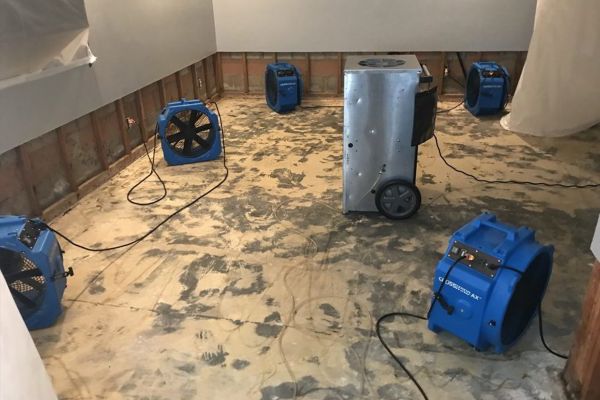
At ABC Restoration, we follow a meticulous process to ensure your property is restored efficiently and effectively. Here’s how we guide you through each stage of the restoration journey:


Don’t wait for an emergency, schedule your emergency response plan with ABC Restoration today to ensure you’re prepared and protected when you need it most.
When water damage strikes, acting quickly can make a big difference in minimizing the damage. While our team at ABC Restoration is on the way, here are five essential tips to help you take control of the situation and protect your property:
If possible, immediately locate and turn off the water source to prevent further flooding. This could be a broken pipe, appliance malfunction, or an overflowing sink. Shutting off the water can prevent more water from entering the affected area, reducing the extent of damage while you wait for professional help.
Water and electricity are a dangerous combination. If water has come into contact with electrical outlets or appliances, turn off the power to the affected areas of your home. Avoid standing in water while doing this, and if you’re unsure, wait for a professional to assess the situation to prevent electric shock.
Relocate furniture, electronics, and other valuables to a safe, dry area if it’s safe to do so. This helps prevent further damage to your belongings. You can also prop up furniture on blocks to prevent water absorption. For fragile items, carefully place them in plastic bags or containers to shield them from the water.
If you can, use towels, mops, or a wet/dry vacuum to remove excess standing water from floors. This helps slow down the spread of damage and reduces the risk of mold growth. Be sure to avoid using household vacuums, which aren’t designed for water removal and could cause an electrical hazard.
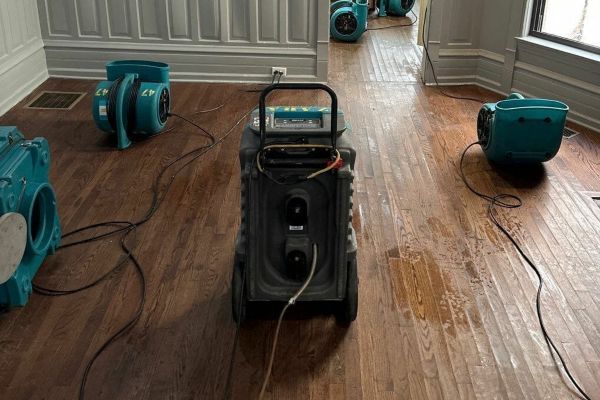
Improve air circulation by opening windows and doors if weather permits. This helps ventilate the area and begin the drying process. Running fans or dehumidifiers, if available, can also aid in removing moisture. Ventilation helps minimize mold and mildew growth until professional drying equipment can be deployed.
If you still have questions or need further assistance, don’t hesitate to call us at ABC Restoration, we’re here to provide the answers and support you need.