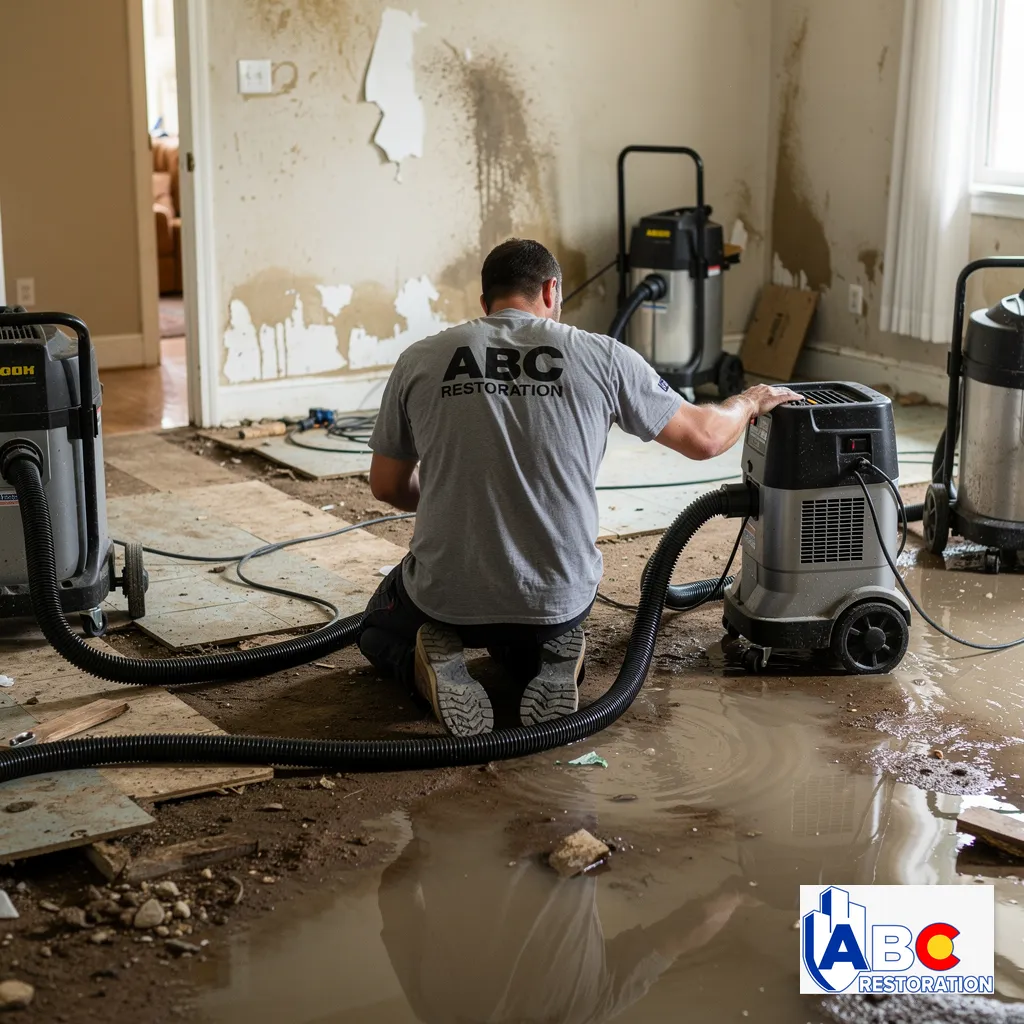
Storms in the Denver metro region can strike fast, leaving homeowners asking one critical question: how long will storm damage restoration Denver really take? When hail pummels a roof, wind rips siding from a home, or an ice dam causes leakage, the timeline to get your home repaired matters a lot. In this article, we’ll walk you through each step of the restoration journey, highlight factors that affect timing, and give you realistic benchmarks so you know what to expect.
What is the typical timeline for storm damage restoration in Denver?
After a major weather event, the first question often is: What’s the timeline? Let’s break it down.
Storm damage restoration Denver begins with emergency actions, moves into assessment, insurance coordination, repairs, and finishes with final touches. The duration can range from days to months depending on severity.
Step-by-step timeline overview
- Emergency mitigation – Within hours to a few days: tarping, boarding, tree/debris removal.
- Damage assessment & documentation – 1 to 3 days after mitigations: contractors inspect, adjusters visit.
- Insurance claims and approvals – This can take days to weeks depending on complexity.
- Repair work – Simple repairs may finish in a week; full roof or siding replacement may take several weeks.
- Final inspection & cleanup – Once repairs finish, final walkthroughs and insurance sign-off wrap up the process.
How long for common repair types?
- Minor roof shingle replacement: 2–7 days.
- Full roof replacement after hail or wind damage: 1–3 weeks, sometimes longer if materials or permits are delayed.
- Major structural repairs (e.g., home full rebuild after storm damage): several weeks to multiple months.
- Interior restoration (water leakage, mold remediation): can add additional weeks if hidden damage is found.
What factors influence the duration of the restoration process?
When evaluating the timeline of storm damage restoration Denver homeowners face, several key variables make a big difference.
Severity and scope of the damage
The more extensive the damage—such as multiple roof sections destroyed, siding ripped off, windows shattered—the longer the repair phase. A home with cosmetic damage may be repaired fast; one needing full rebuild will take much longer.
Type of damage: roof, siding, structural, water intrusion
For example, if the damage is primarily to the roof after a hail event, you might only need roof replacement time Denver-style. But if water intrusion, structural framing or foundation issues occur, the timeline expands.
Insurance claim process and approvals
Delays often come from waiting for insurance adjusters, paperwork, authorizations, and approvals. Since restoration cannot always commence fully until claim components are authorized, this phase can add days or weeks.
Weather, materials and contractor availability
In a busy season or after a large storm event in the Denver area, contractor availability, materials (shingles, siding, windows) and permit delays can slow things. Even if restoration work is ready, external factors may push the timeline out.
Permits and local regulations
When structural repairs, major roofing or full rebuilds are required, permit approval from local jurisdictions adds time. Fixing a roof quickly might bypass major permitting—but major work won’t.
Hidden damage and remediation
Often what first appears as a simple repair uncovers additional issues: mold, water intrusion, compromised structural members. These extend time and cost.
Typical Timeline for Roof Restoration After Denver Storms
Since roof damage is one of the most common outcomes, let’s look at typical durations for roof-specific work.
Roof inspection and claim initiation
After a hail storm or wind event, a qualified contractor should inspect within days. This inspection helps locate damage and initiate your claim.
The sooner documentation is collected and claims filed, the sooner repairs can start.
Roof replacement timeline
- Preparation and paperwork: 1–3 days.
- Ordering materials: 3–7 days (could be longer if specialty materials).
- Actual roof replacement: 1–7 days depending on size and complexity.
- Final cleanup and inspection: 1 day.
Thus, many homeowners might see full roof replacement done within 1–3 weeks from start to finish under favorable conditions.
Influencing factors
Age of roof, complexity (steep slopes, multiple levels), damage extent, weather delays, contractor backlog. Homes in the Denver region with older roofs may face a longer time if structural upgrades are required.
What about full rebuilds after major storm damage?
When a storm causes large-scale damage, collapsed portions of a roof, major water intrusion, tree impact or structural compromise, the process shifts from simple repair to full restoration.
Rebuild timeline phases
- Emergency stabilization – Tarps, board-up, removal of unsafe debris.
- Demolition and debris removal – Removing damaged portions, safe clean-up.
- Structural framing and reconstruction – New framing, roofing, exterior walls.
- Interior finishes and inspections – Drywall, flooring, paint, HVAC, plumbing/electrical.
- Final inspection & occupancy – Approval by local code officials, insurance settlement closed.
Typical durations
For a full rebuild after storm damage in Denver, expect anywhere from 4 to 16 weeks, depending on damage extent, permitting, materials and contractor scheduling. Some very large jobs may take longer than three months.
Tips to keep rebuild time down
- Engage restoration firm experienced in local regulations and insurance workflows.
- Use impact-resistant materials to avoid future claims and delays.
- Expedite approvals by submitting complete documentation early.
- Maintain close coordination between homeowner, contractor and insurer.
Best practices to speed up the restoration process
To reduce downtime and frustration during a storm recovery, follow these tips:
Contact a restoration professional quickly
When you search for “storm damage restoration Denver,” choose contractors with local experience. Quick response means less secondary damage and fewer delays.
Document everything from day one
Take photos/videos of damage, keep invoices, capture storm dates and weather events. Early documentation speeds claims and repairs.
Stay engaged with your insurer and contractor
Respond to requests from adjusters, review estimates promptly, ask for timelines and milestones. Staying proactive keeps the process moving.
Choose materials and labor wisely
Materials on back-order and crews booked out cause delays. If possible, pick reputable contractors with good availability and supply chain access for the Denver region.
Prevent further damage while waiting
While waiting for major repairs, mitigate risk: tarp exposed roof, cover holes, remove debris, maintain drainage. These actions can prevent further damage and insurance complications.
Example timeline scenarios for Denver homeowners
Here are realistic timeline examples for different severity levels:
| Scenario | Damage Extent | Timeline Estimate |
| Minor roof shingle damage | Few missing shingles, no leaks | 1–5 days |
| Moderate hail + siding damage | Full roof section + siding panel | 1–3 weeks |
| Major wind + tree fallout + water intrusion | Multiple sides, interior effects | 4–8 weeks |
| Full rebuild after roof collapse | Structural rebuild required | 8–16+ weeks |
FAQs about the restoration process timeline in Denver
1. How long after a storm should I file a claim?
You should notify your insurance company as soon as you identify damage. The earlier you file, the faster the process for storm damage restoration Denver can begin.
2. Can repairs begin before insurance approval?
Emergency repairs (tarping, boarding) should begin immediately to prevent further damage. Full repair should align with your adjuster’s scope so you don’t jeopardize claim coverage.
3. Will hail damage always lead to a full roof replacement?
Not always. If damage is localized and the shingles still meet code, repairs may suffice. However, in the Denver “Hail Alley” region, many insurers and contractors prefer full replacement when damage is widespread.
4. What happens if hidden damage is found during repairs?
Hidden damage (e.g., water intrusion, mold) recalibrates the timeline. Repair scope expands, materials ordered change, and insurance may require additional review, leading to extra weeks.
5. Does storm damage restoration take longer in winter in Denver?
Yes. Winter weather, snow, ice, and shorter daylight hours slow repairs, complicate roof work and can delay permit approvals. Mitigation is still critical even if full repair must wait.
Conclusion
No two storm damage restoration projects are identical, but when it comes to storm damage restoration Denver, understanding the typical timeline empowers you to act confidently. Whether you’re dealing with a roof replacement time Denver homeowners face after a hail event, or preparing for a full rebuild after major storm damage, knowing the phases, emergency mitigation, inspection, insurance approval, repairs, and final walkthrough is vital. If you’re ready for expert help and dependable service, trust ABC Restoration USA to guide you from assessment to completion and restore your home efficiently and professionally.
For help and questions about scheduling your repair or beginning the process, reach out to ABC Restoration USA or contact our team directly via our Contact Us page.