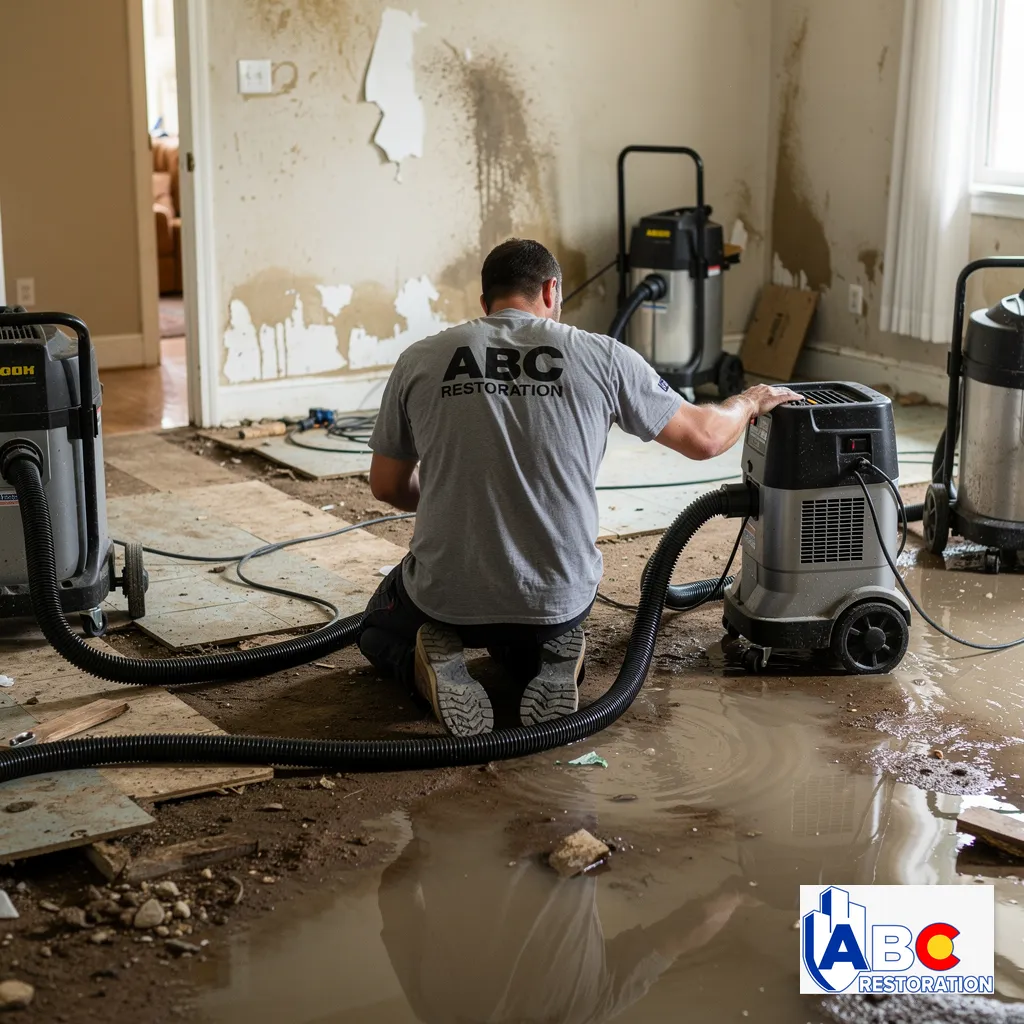
When a powerful storm sweeps through Denver, the last thing you want to worry about is whether your belongings and your home are protected. Yet for many homeowners in the region, the question echoes: storm damage restoration Denver does your homeowners insurance truly cover it? This matters especially when you’re dealing with hail-pummeled roofs, wind-ripped siding, or water intrusion after a thunderstorm. In this guide, you’ll discover how coverage works, what policies include, and how to handle storm damage insurance claims efficiently.
Does homeowners insurance cover storm damage restoration in Denver?
Storm damage restoration in Denver is typically covered under standard homeowners insurance, but understanding the fine print is crucial. Policies often include protection for wind, hail, and lightning but exclude flooding or gradual wear and tear.
What types of storm damage are commonly covered
Most standard homeowners insurance policies in Colorado include coverage for sudden and accidental damage caused by wind, hail, or lightning. If a hailstorm dents your siding or wind tears shingles from your roof, the cost to restore these damages often falls under your policy’s protection. However, the amount reimbursed depends on factors like your deductible, roof age, and claim history.
What is not covered or may be excluded
Not all storm-related damage will be paid out. Common exclusions include:
- Wear and tear or lack of maintenance
- Flooding or water entering from the ground
- Old or neglected roofs
- Special or higher deductibles for wind and hail events
While your policy likely covers storm damage repairs, your coverage scope and the steps you take immediately after the storm will influence your outcome.
What steps should Denver homeowners take after storm damage?
When facing storm damage, quick and well-documented action can make a major difference in your claim process and restoration quality.
Step 1 – Ensure safety and prevent further damage
Once the storm passes, inspect your property for safety hazards such as downed power lines or unstable structures. Perform temporary repairs like tarping your roof or boarding windows to prevent additional loss. Insurers often appreciate proactive mitigation efforts.
Step 2 – Document everything
Take clear photos and videos of all visible damage, both inside and outside. Capture wide angles and close-ups. Record the date of the storm, type of damage, and any items affected. If possible, get an inspection estimate from a trusted contractor for your records.
Step 3 – Notify your insurer and file a claim
Contact your insurance company promptly. Provide documentation, detail the storm event, and share your initial repair estimates. Ask about your storm damage insurance claim Denver process and clarify your deductible. Be sure to mention if your policy has separate wind or hail deductibles.
Step 4 – Work with a restoration contractor who understands insurance
Partner with a contractor familiar with storm damage claims. They can coordinate directly with adjusters, help you with documentation, and ensure your restoration aligns with what insurance will approve. Using experts in storm damage restoration Denver increases your chances of full reimbursement.
Step 5 – Review your policy annually
Denver’s weather brings hail, wind, snow, and sudden temperature shifts. Check that your homeowner’s policy reflects these risks. Review your hail damage coverage Denver and wind damage policy Denver terms to confirm you’re adequately protected.
How insurance claims work for storm damage in Denver
Knowing the claim process helps you navigate insurance effectively and avoid delays.
Adjuster visit and damage assessment
After filing a storm damage insurance claim Denver, your insurer assigns an adjuster to inspect your property. Be present during the inspection to highlight all damage you’ve documented. Adjusters determine whether the damage resulted from a covered peril and estimate repair costs.
Estimate review and repair scope
The insurer will review both the adjuster’s report and contractor estimates. They may approve full replacement or partial repair depending on the damage severity, home condition, and policy type.
Deductible, limits, and settlement
Your deductible applies to all storm-related claims. For instance, if your deductible is $2,000 and repairs total $10,000, you’ll pay the first $2,000. Some policies also reduce payouts for older roofs or homes that haven’t been maintained.
Completing repairs and keeping receipts
Once approved, begin repairs and keep every receipt. Insurers may require proof of completed work. Proper documentation ensures smoother settlements and future claim credibility.
| Item | Why It Matters |
| Documentation (photos/videos) | Provides proof of damage |
| Prompt claim filing | Most policies have strict deadlines |
| Contractor estimates | Establishes repair scope |
| Deductible and limits | Defines your out-of-pocket cost |
| Maintenance records | Can support claim approval |
Common storm damage types in Denver and how coverage applies
Living in Denver means frequent exposure to unpredictable weather, from hailstorms to strong winds. Each type of storm event affects insurance coverage differently.
Hail damage coverage in Denver
Denver lies in “Hail Alley,” one of the most hail-prone regions in the U.S. Large hailstones can crack shingles, dent siding, or break windows. Most homeowners insurance policies include hail damage coverage Denver, but some limit payouts based on roof age or condition. Schedule inspections regularly to catch hidden hail damage before leaks occur.
Wind damage policy and wind-related events
High winds can tear off roofing materials, dislodge gutters, and break tree limbs. A wind damage policy Denver typically covers these events if they’re sudden and accidental. Immediate repairs and mitigation help prevent secondary water damage.
Water intrusion, leaks, and secondary damage
Storms often cause water intrusion after hail or wind damage. If water leaks result from a covered peril, your insurance will typically cover restoration. However, floodwater or groundwater seepage is excluded unless you have separate flood insurance.
Tree damage and debris removal
Storms can uproot trees or knock branches onto roofs and fences. Damage from falling trees due to wind or hail is usually covered, including debris removal, though limits may apply.
How to choose the right restoration partner for storm damage restoration in Denver
The contractor you hire can determine how efficiently your home is restored and whether your claim is handled smoothly.
Look for insurance-savvy restoration professionals
Choose licensed Denver-based contractors with experience handling storm damage restoration Denver projects and insurance claims. They should provide free inspections, work directly with adjusters, and offer references from past clients.
Verify scope of work and materials
Request detailed estimates that include material quality, warranty terms, and timelines. Opt for impact-resistant roofing and energy-efficient materials that may lower future insurance premiums.
Communication with your insurance company
Contractors experienced with claims will ensure their documentation aligns with your insurer’s requirements. They’ll also handle supplemental claims if additional damage is found during repairs.
Proactive maintenance and inspection
Regular roof and siding inspections can prevent small issues from escalating. Maintenance records also strengthen future claims and show that damage wasn’t due to neglect.
Choosing the Right Storm Restoration Partner in Denver
Typical cost range for roof and siding repairs
The cost of repairing hail or wind damage in Denver depends on materials, home size, and damage extent. Roof replacements can range from $8,000 to $25,000, while minor repairs may cost much less. Using hail-resistant materials can increase upfront costs but reduce future claims.
What insurance typically covers
Insurance usually covers repair or replacement costs minus your deductible. Some policies cover full replacement if your roof is newer, while others only reimburse for actual cash value (depreciated amount). If your home becomes temporarily uninhabitable, your policy may also cover living expenses.
What you should check with your agent
Ask your insurance agent:
- What deductible applies to wind and hail damage?
- Are separate deductibles required for each peril?
- Does my policy pay for full replacement or only repair?
- Are there depreciation clauses for older materials?
- How long after the storm can I file a claim?
Understanding these details ensures you’re not caught off guard when the next storm hits.
FAQs about storm damage restoration in Denver
Will my homeowners insurance cover hail damage to my roof in Denver?
Yes, if hail is a covered peril and the damage is sudden, your insurer should cover it. Always document the event thoroughly.
How soon after a storm should I file a claim for storm damage in Denver?
File as soon as possible. Prompt action helps you avoid denial for late reporting.
Does insurance cover wind damage policy Denver-type claims like a tree hitting my home?
Yes, if the tree fell due to covered wind or hail events. You’ll still be responsible for your deductible.
Is water damage after a storm always covered?
No. It’s only covered when caused by a covered peril like wind or hail damage that leads to leaks. Flooding from outside sources requires separate flood insurance.
Can I choose my own contractor for storm damage restoration in Denver?
Yes. You’re free to select a qualified local contractor experienced with insurance claims and storm restoration.
Conclusion
Understanding whether your homeowners insurance covers storm damage restoration Denver can save you stress and money when severe weather strikes. Most standard policies protect against wind, hail, and lightning but exclude floods or neglect-related damage. To maximize your claim, act quickly, document thoroughly, and work with a restoration expert familiar with the Denver market. When your home suffers storm damage, trust ABC Restoration USA for professional help, from inspection to complete restoration, ensuring your home is safe and secure again.