When unpredictable Colorado skies turn violent, homeowners in the Denver area often face one pressing concern, how much damage will this storm leave behind? From hail-pummeled roofs to wind-torn siding and ice dams that cause leaks, Denver homes experience diverse weather-related threats every year. Understanding storm damage restoration Denver helps you protect your home, avoid costly surprises, and recover quickly when severe weather hits.
What kinds of storm damage do Denver homes face most often?
When exploring storm damage restoration Denver, one of the most common questions homeowners ask is: What types of storm damage affect homes here the most? Denver’s varied climate brings multiple threats, with hail, wind, ice, and water intrusion topping the list.
Hail damage to roofs and siding
Hail storms are a signature hazard for Denver homeowners. The city sits in the notorious “Hail Alley,” where hailstones can reach the size of golf balls. A single storm can leave roofs dimpled, gutters crushed, and siding scarred. Over time, even small dents can lead to water infiltration and leaks. Many homeowners overlook hail storm damage until the next downpour exposes hidden cracks. Scheduling annual inspections after hail events can prevent escalating repairs.
Wind damage and flying debris
High winds in the Denver area often arrive alongside thunderstorms and cold fronts. These gusts can loosen shingles, tear flashing, break gutters, or send debris crashing into homes. Sustained wind damage weakens a property’s structural integrity, leading to future leaks or roof collapse if ignored. After every major storm, check for lifted shingles, detached gutters, and cracked siding panels to spot early signs of wind impact.
Ice dams, snow loads, and cold-weather damage
Denver winters bring a different kind of storm-related risk—ice dams. When melting snow refreezes near roof edges, it traps water beneath shingles, allowing it to seep into attics and walls. Over time, this causes rot, warped ceilings, and mold growth. Regular roof maintenance, insulation improvements, and attic ventilation can reduce ice dam damage Denver roofs experience each year.
Water intrusion, flooding, and secondary damage
Storms often bring heavy rainfall that tests every weakness in your home’s exterior. If roofing, siding, or gutters are compromised, water can infiltrate through cracks or seams, damaging drywall, insulation, and flooring. Floodwater seeping from the ground is another concern, especially in basements. While typical homeowners insurance covers wind and hail, flood protection requires a separate policy, so review your coverage carefully.
Why are Denver homes so prone to these types of damage?
Denver’s location and climate create the perfect mix for severe weather. At over 5,000 feet of elevation, the city sits where warm plain air collides with cool mountain air—triggering sudden hailstorms, high winds, and rapid temperature drops. Seasonal swings strain materials, while older homes built before modern building codes often lack impact-resistant roofing and siding. Add in the area’s frequent freeze-thaw cycles, and even small vulnerabilities can quickly become costly restoration projects.
How to recognize the warning signs of damage in your Denver home
Identifying storm damage early prevents small issues from becoming major repairs. Regular inspections after storms are essential.
Roof inspection and maintenance
Inspect shingles for bruising, cracks, or missing sections. Look for granules in gutters or soft spots on the roof surface—signs of hidden hail damage. Sagging lines or pooling water may indicate structural weakness or snow load stress.
Siding, gutters, and exterior hardware
Check siding for cracks, dents, or warping caused by flying debris. Bent gutters, disconnected downspouts, or gaps around windows are also signs of wind or hail impact. Proper drainage prevents future water buildup near your foundation.
Interior signs and hidden moisture
Watch for water stains on ceilings, peeling paint, or musty odors. These symptoms often indicate hidden leaks from storm damage. Because issues may take weeks to appear, post-storm inspections by professionals help detect problems before they worsen.
What homeowners should do after storm damage hits
When a major storm passes, time is critical. Following a strategic plan ensures your safety and speeds up insurance claims.
Safety first, then documentation
Start by confirming that your property is safe to inspect. Avoid electrical hazards, unstable trees, or debris. Then, document all visible damage with photos and videos. Record the storm date and save all receipts for temporary repairs or emergency services. This evidence will be crucial when filing your insurance claim.
Engage a qualified restoration professional
If you search for storm damage restoration Denver, prioritize certified contractors who specialize in insurance-based repairs. They can spot hidden damage, work directly with adjusters, and ensure proper repair documentation. A reputable restoration expert helps maximize your insurance payout while restoring your home safely.
Notify your insurer and review your policy
Contact your insurer as soon as possible after discovering damage. Clarify coverage details for hail, wind, and ice. Ask if your policy includes temporary living expenses, especially if repairs render your home uninhabitable. Knowing your deductibles and limits helps set accurate expectations.
Prevent future damage during restoration
When restoring your property, upgrade to impact-resistant materials like Class 4 shingles or reinforced siding. Improve attic insulation and ventilation to prevent future ice dam formation. Keep trees trimmed and drainage systems clear to reduce future storm risks.
Breakdown of the most common storm damage types in Denver homes
Hail storm damage Denver homes
Hail strikes cause the most frequent storm-related claims in Colorado. Damage can include cracked shingles, dented metal roofs, broken skylights, and chipped paint. Because hail damage often isn’t visible from the ground, professional inspections are essential. Signs include loose granules, punctured vents, or leaks developing after storms. Prompt storm damage restoration Denver services can extend your roof’s lifespan and prevent future water infiltration.
Wind damage Denver area homes
Strong winds exceeding 60 mph are common across the Front Range. They can tear away shingles, knock down fences, or even topple trees onto homes. Damaged flashing or lifted roofing edges allow water to penetrate the interior. Repairs may include full shingle replacement, structural reinforcement, or upgrades to wind-rated materials. Documenting wind damage immediately ensures faster insurance approval.
Ice dam damage Denver roofs
Ice dams typically appear during freeze-thaw cycles when attic heat melts snow unevenly. Meltwater freezes near eaves, pushing under shingles and soaking insulation. Common signs include icicles, water stains, and warped wood. Addressing this damage may involve roof repair, attic re-insulation, and ventilation upgrades. Preventative measures like ice melt systems or snow rakes can help protect your roof all winter.
Secondary water intrusion and basement issues
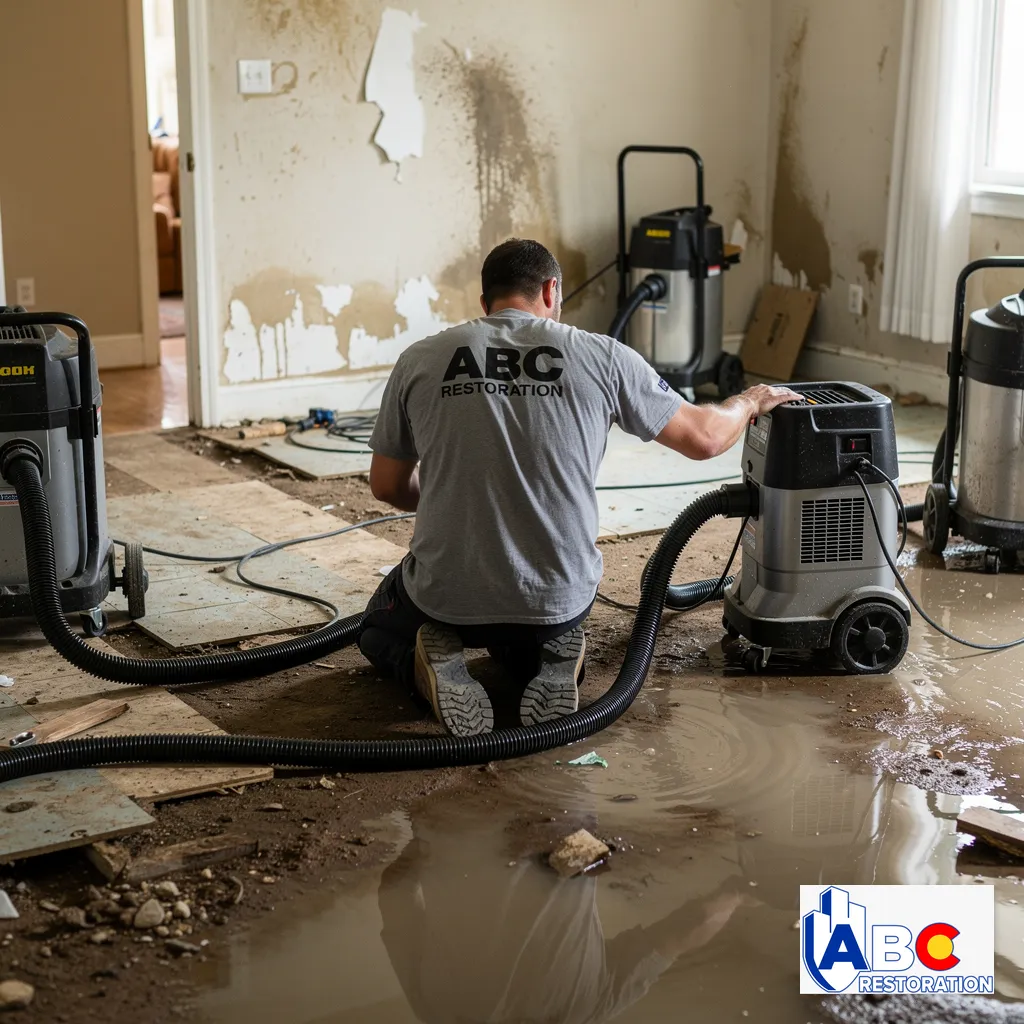
When storms damage your roof or walls, the resulting water intrusion can wreak havoc inside. Wet drywall, damp basements, or bubbling paint often signal leaks. Over time, trapped moisture can lead to mold and foundation cracks. Restoration typically involves water extraction, drying, mold remediation, and improved drainage systems.
Typical costs, insurance considerations, and budgeting for repairs
Average restoration costs
Repair costs vary based on damage type, home size, and materials:
- Minor hail damage: $1,000–$5,000
- Moderate roof or siding repairs: $5,000–$15,000
- Full roof replacement and interior restoration: $20,000+
Investing in high-quality materials can reduce future storm repair costs and may lower your insurance premiums.
Understanding insurance coverage
When filing a claim, your deductible applies. Check if your policy separates wind and hail deductibles. Ask your agent whether you’ll receive actual cash value (ACV) or replacement cost value (RCV). ACV deducts depreciation, while RCV covers full replacement costs. Keeping updated photos, inspection reports, and receipts helps streamline claim approval.
Planning your restoration budget
Once your insurance adjuster provides an estimate, plan for out-of-pocket expenses—deductibles and any upgrades not covered by your policy. Consider setting aside funds for preventive upgrades like gutter guards, impact-resistant shingles, or improved ventilation to minimize future storm impacts.
| Storm Damage Type | Primary Repairs | Prevention Tips |
| Hail damage | Roof and siding repair | Install impact-resistant roofing |
| Wind damage | Replace shingles, repair flashing | Trim trees, secure gutters |
| Ice dam damage | Roof repair, insulation upgrade | Improve attic ventilation |
| Water intrusion | Drying, mold remediation | Maintain gutters, seal foundation |
FAQs about storm damage in Denver
1. How soon after a storm should I inspect my home?
Inspect your home within 24–48 hours once it’s safe. Quick action helps you document damage and prevent further deterioration.
2. Can hail damage be invisible at first?
Yes. Even small hail can weaken roofing materials without immediate leaks. Schedule inspections after every major storm.
3. Does insurance cover ice dam damage?
Many policies cover ice-related damage if it results from a sudden weather event and not neglect. Check your policy for cold-weather exclusions.
4. Should I hire professionals for storm damage restoration Denver?
Absolutely. Certified contractors understand local weather conditions and insurance processes, ensuring proper restoration and documentation.
5. What upgrades reduce future storm damage risk?
Install impact-resistant shingles, reinforce windows, clean gutters regularly, and maintain attic ventilation to prevent ice dams and leaks.
Protecting Your Denver Home from Future Storm Damage
Living in Colorado means preparing for nature’s extremes. Whether it’s hail storms, high winds, or ice accumulation, understanding storm damage restoration Denver keeps you one step ahead. Recognizing common damage types like hail storm damage Denver homes, wind damage Denver area, and ice dam damage Denver roofs, empowers you to act quickly, protect your property, and work effectively with your insurance company. For professional inspections, claims assistance, and full restoration services, trust ABC Restoration USA to restore your home safely and efficiently.